Categories
thrift shop Thrift Stores

A Complete Guide To Organizing Your Closet

https://addisonmagazine.com/wp-content/uploads/2020/10/iStock-1165189815-scaled.jpg
A Complete Guide To Organizing Your Closet

If there’s one thing we can all get behind, it’s that having a clean home is better than having a dirty and cluttered one. While this is easy to say, putting it into practice is usually much more difficult. Take your closet, for example.

Most of us have closets full of extra clothes and accessories that we no longer wear or haven’t worn in a long time. Looking at these bursting closets can be a little stressful and make you want to start over fresh. If you think it’s time to start putting everything in its proper place, this complete guide to organizing your closet will help you get started and stay on track.

Gather Your Supplies

Before you really start to dig into the work ahead of you, it will help to make sure you don’t need to stop and gather more stuff in the middle of the process. The supplies you need will depend on what you’re planning to do with the clutter in your closet. When you’ve gathered everything you need, you can start the process in earnest. Here are a few items that will help you get started:

  • Boxes to help sort through clothes quickly
  • Sturdy shopping or garbage bags
  • A measurement tool to help you know how much space you have
  • A basket to throw miscellaneous objects in
  • A mirror to try on clothes you’re unsure about

Use the Multi-Box Method

The method we’re referring to here involves having labeled boxes for what you will do with the clothes you put inside of them. You’ll most likely want four of these, at least. One box for items that you will definitely be keeping, another box for items that you wish to sell or donate, one box for items that can be recycled, and a final box for anything that is unequivocally trash. Make sure to put large labels on these boxes so you don’t get them mixed up. The last thing you want is to accidentally donate all your good clothes.

Completely Empty Your Closet

The reason you’ll want to have those boxes before you begin is that you’ll be completely emptying your closet so you can start from scratch. If you do not follow this process you may leave way more stuff inside your closet than you would prefer.

Take the time to go through every piece and really decide if it’s worth keeping or if it could make someone else happy. Once you have a completely empty closet, reorganizing it will be much easier and go much more smoothly than trying to jam things in where they happen to fit.

Don’t Be Afraid To Let Go

Arguably the hardest part about cleaning out your closet is letting go of clothes and accessories that might have once meant a lot to you. This wouldn’t be a complete guide to organizing your closet if we didn’t address the very real feelings of loss one can feel when decluttering.

Part of the reason the multi-box method is so important is that it allows you to let go of things without having to throw them in the trash. Your clothing donations can be a huge help to someone who is in need, so you can feel good about letting go of your old possessions.

Clean the Closet Top To Bottom

When we say clean, we mean clean with cleaning products. Chances are that if your closet has been clogged with stuff for a while, a lot of dust and dirt has settled inside. Before you go and start putting all your nice clothes back in the closet, you’ll want to give it a thorough scrub with some cleaning spray and a towel.

Make sure to also vacuum the floor and dust any cobwebs away. Having your closet be squeaky clean will let you better visualize how you want to set it back up.

Get Some New Closet Organizing Equipment

One big reason your closet probably got so cluttered in the first place is because you didn’t have any organizational equipment helping you keep everything in its place. Don’t underestimate the impact that having a few dividers and extra baskets can have on the organization of your closet.

There are some products you can buy that will transform your entire closet into a beacon of efficiency, but don’t worry too much if they’re out of your price range. Buying a simple door organizer or a new shoe rack can go a long way in preventing piles of clothes and shoes from building up.

Separate and Organize Your Clothes

Once you have the basic outline of how the closet will look, you can finally start the task of separating and categorizing the clothing that you’ve decided to keep. Remember to keep similar types of clothes together to start. Separate by pants, shoes, shirts, belts, scarves, and whatever other category of clothes you may have. There are a few extra organization tips we can give you as well:

  • Once everything is separated, keep the categories in mind as you find places to put the items. Don’t separate similar things onto different shelves if you can help it.
  • Pieces that don’t see a lot of use, such as seasonal wear or super formal clothing, should be kept out of the way of clothes that you more regularly wear. Tuck them in the higher or further back portions of your closet
  • Organize your clothes by how often you wear them. Keep the clothes that you always reach for first right in the center of the closet, so they are easy to grab. This way, you can slowly work outwards through your wardrobe, making it easier to keep organized.

Maintenance

All the organizing and cleaning in the world won’t help if your closet looks like a mess a week after you’re done. The important thing to remember about cleaning out your closet is that it should help you continue these habits in the future. This is why you want to find a system that works for you, not just one that looks good. You’ll be more inclined to continue on the path of cleanliness if you make it easier on yourself.

Organizing your closet may seem to some like a monumental task, but you can do it with a little time and diligence. Thrift store in Destin FL is a place to donate clothing once you’ve figured out which clothes to keep and which to donate.
Categories
thrift shop Thrift Stores

The Benefits of a Minimalist Lifestyle

https://apicms.thestar.com.my/uploads/images/2020/02/21/570881.jpg
The Benefits of a Minimalist Lifestyle

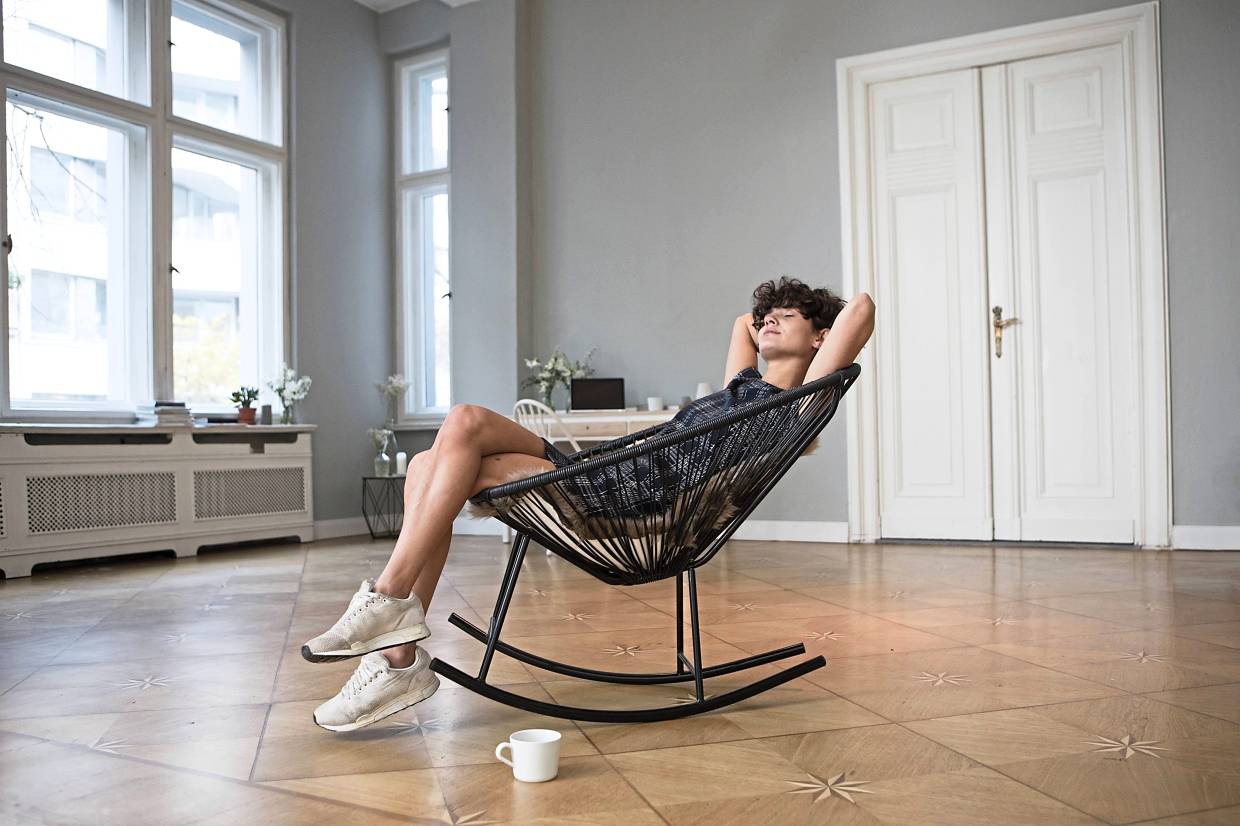
There’s a lot one can say about the concept of minimalism. It’s a trend that has garnered a lot more traction nowadays thanks to our overly busy and cluttered lives. Minimalism is the idea that we don’t need a ton of material possessions to be happy, and enough people make it work that they might have a good point.

A minimalist lifestyle can even be a great way to help others if you decide to donate the old possessions that you no longer need. We’re going to go over a few of the benefits of a minimalist lifestyle, so you can see how even small minimalist changes can have a big impact on your life.

Less Attachment To Unimportant Things

If you look around you right now, what exactly do you see? Do you see a lot of stuff you hang onto “just because?” If you do, you’re hardly alone. People from all walks of life have a habit of collecting things they don’t really need or are just afraid to get rid of for whatever reason. Adopting a minimalist lifestyle is to reject this idea in favor of focusing your attachment on what really matters.

The things we attach ourselves to can stretch us thin if there are too many, and being a minimalist allows you more energy to put into the things you actually want to stay attached to.

Spend Less Money

One of the more tangible benefits of a minimalist lifestyle that you can immediately start to notice is how much money you’ll save. Whatever your vice happens to be—clothing, collectibles, shoes, kitchenware, or anything else—you probably spend more money on it than you even realize.

Without the draw of always needing to buy the next thing in your collection, you can save a ton of money in the long run. That money can instead go to your long-term dreams and goals rather than something that will only make you happy for a little while.

Improves Focus

The concept of “visual noise” affects a lot more people than you would imagine. Visual noise refers to how much stimulation your eyes take in all at once. If you have a lot of stuff lying around all over your house, you regularly deal with a lot more visual noise. This visual noise is actually detrimental to our brains and can make it harder to focus on what we’re doing.

By removing these tiny distractions all over our homes, we also reduce the visual noise we have to deal with on a daily basis, thus allowing us to more easily focus on the things that matter, such as our work or our hobbies.

Happier Mindset

Being a minimalist is all about reducing what you have so you can focus on more important things. Even something as broad as “being happy” can be much more difficult than it needs to be because of our attachments to things that don’t matter as much. When you let go of the things that tie you down, you feel a sense of freedom that can improve your mindset. The process of getting rid of these things is also rewarding itself, as you get to enjoy the feeling of being very efficient.

Fewer Things To Clean

This one is less of a mental benefit and more focused on the mundane day-to-day tasks you need to do. It’s a simple fact that the less stuff you have around, the less you need to clean up. More than that, the less stuff you have sitting around collecting dust and allergens, the better off your home’s air quality will be.

No one enjoys the chore of cleaning up all their possessions, so why not just remove them from the equation? You’ll be glad that you did once a day like spring cleaning comes around.

Quality Over Quantity

Given that you’ll have some more money once you switch to a minimalist lifestyle, you might be asking what to spend it on if you’re supposed to stay a minimalist. The important thing to remember is that being a minimalist does not mean that you have to give up everything in your life; it means choosing what you allow into your life more carefully.

Now that you’re not spending money on every little new thing, you can instead focus on buying things that bring you real joy rather than just temporary satisfaction. Pick quality over quantity, and you’ll almost always be happy with your choice.

Stop the Comparisons

Perhaps the worst part about our extremely connected world is how it makes people compare themselves to others unfairly. Many of us focus on who has this new thing or the things that they have that we wish we could have.

Minimalists don’t fall into this trap because they know that having those things won’t instantly make them happier. Adopting a minimalist lifestyle allows you to remove yourself from the comparison conversation, letting you just be happy with the things you have rather than always wanting more.

More Confidence in Yourself

If you’re a minimalist, you spend a lot more time with yourself than with your possessions. This can take a lot of getting used to for new minimalists, but it does end up being a very good thing. Knowing yourself better is the first step towards being more confident in yourself.

You can be more confident in your body, in your mind, and even in your home, since you have the time and energy to check in with those things more often. Confidence is an issue for a lot of people, and removing any unnecessary distractions can help you on your way to being more confident in yourself.

The switch to a minimalist lifestyle isn’t necessarily for everyone, but don’t be afraid to try it out if it sounds like something that you could benefit from. Remember that minimalism is not about getting rid of every single thing you own and living in the wilderness, but rather about reducing the number of unnecessary things in your life.

When the time comes, the thrift shops in Destin FL will always be there to help you out. You can drop off your clothing donations there to get a head start on your minimizing.

Categories
thrift shop Thrift Stores

The Health Benefits of Decluttering

https://dailydoseofcharm.com/wp-content/uploads/2019/01/Room-decluttering-tips-closet-cleanout-minimal-ife-get-rid-of-clutter-before-and-after-photos-on-lifestyle-blog-daily-dose-of-charm-lauren-lindmark-675A3999.jpg
The Health Benefits of Decluttering

There’s nothing wrong with gaining something when doing a good deed. This cycle of positivity is what creates people who love to give back and help others.

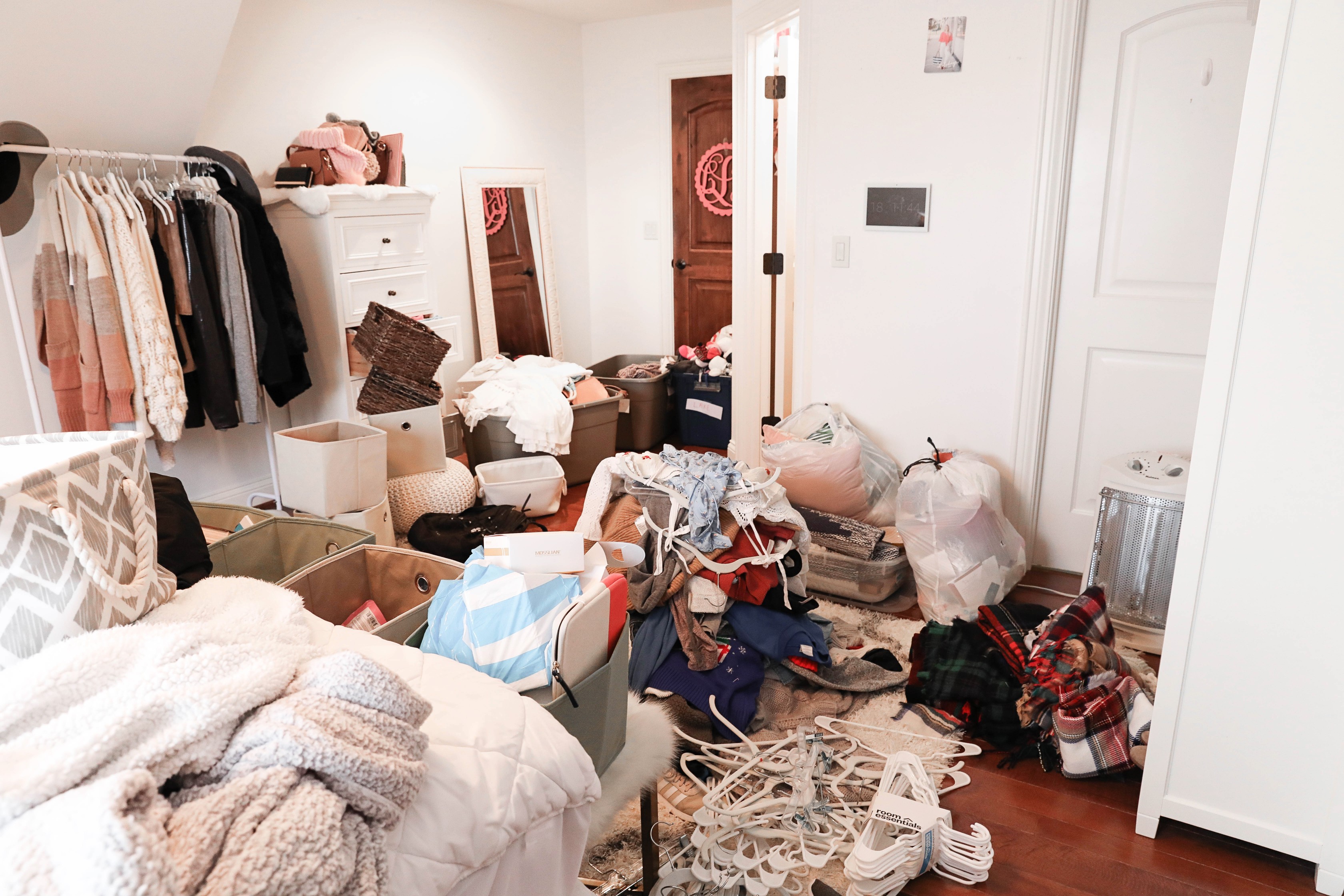
When we consider how decluttering can help the person getting rid of their stuff, a large portion of the benefit comes from how much better they feel, both physically and mentally. The health benefits of decluttering are worth considering when you’re looking through your old things. This article will show you how doing some spring cleaning and donating the things to thrift stores in Panama City Beach FL might just improve your well-being.

Improved Sleep Quality

Despite the fact that your eyes are closed and you can’t see the mess surrounding you, your brain never fully lets go of the clutter you keep around. If you have trouble sleeping or feel like the kind of sleep you get isn’t really refreshing you the way it should, it might be because there’s too much in your room for your brain to fully shut off.

All that visual noise that you leave around makes your brain work that much harder to calm down for sleep. By decluttering your room of clothes and trash, you create a much more relaxing space where you can focus on getting a good night’s rest.

Lower Levels of Anxiety

Have you ever wondered why humans tend to prefer things to be neat and tidy? The answer could lie in our brains. Our brains do their best to make sense of the world around us. The more orderly things are, the easier this is for our brains. However, if you enter a highly disorganized space with countless items strewn about, it can cause your anxiety levels to rise.

That heightened anxiety isn’t good for anyone, yet plenty of people go through their lives with their homes completely out of order. Tidying up and organizing will put your mind at ease and allow you to experience less anxiety whenever you are home.

Reduced Stress

In the same vein as anxiety, stress is one of the worst things with which humans can deal. Our daily lives come with enough stress stemming from things we can’t control, such as issues at our workplaces. We don’t need to add to that stress by creating it on our own.

The constant thought of, “I need to clean all of this up,” or, “I don’t even know where to start with this mess,” can make for an extremely stressful situation in your home. As you declutter, you will find that this stress will wane. Reducing stress is one of the best things you can do for both your mind and body, so don’t overlook this simple way to help yourself become healthier.

Higher Productivity

Visual noise created by clutter doesn’t just affect you when you sleep. It can also have a profound effect on how productive you are while at home. Clutter of any kind can take away your ability to focus on what you’re doing. It’s quite hard to focus on work or a hobby when there’s a huge mess right in your line of sight.

This is especially important for those who work from home, as they must fight the temptation to simply leave everything where it is and clean it up later. If you can make yourself tidy up your personal space, you will find that concentrating on both work and leisure is much easier and less of a hurdle.

Less Dust and Allergens

One of the health benefits of decluttering that affects your physical body involves the amount of dust and allergens you inhale on a daily basis. Clutter, no matter what it may be, creates more surface area for harmful dust and allergens to accumulate.

Breathing these in can cause serious health problems over time. Some irritants can cause illness directly, while others can contribute to the development of allergies that you wouldn’t have developed if you weren’t breathing in these particles so often.

Better Interpersonal Relationships

Clutter affects more than just the person who put it there in the first place. If you live in your home with anyone else, they have to deal with the clutter getting in the way of their lives as well. This is very important, because all humans are social creatures.

Your relationships with roommates and loved ones are crucial to your mental health. When you get rid of the clutter, you remove one possible point of tension between you and the people with which you live. This can also contribute to a decrease in your overall stress.

More Positivity

We could all benefit from having a more positive outlook on life. Unfortunately, a cluttered home can directly affect how positive you feel that you can be. Too much clutter can cause your brain to believe you don’t have your life together. As the amount of clutter grows, your brain can start thinking there is no way out of the situation.

With a little bit of deliberate and methodical effort, you can challenge this thinking and get back to a more positive mindset. Being more positive is a reward in and of itself, as it colors the way we feel about both the hardships and good parts of life.

Categories
thrift shop Thrift Stores

Types of Kitchenware You Can Donate

https://foodal.com/wp-content/uploads/2014/11/how-to-recycle-pots-and-pans.jpg
Types of Kitchenware You Can Donate

When you’re looking through your house for things to donate, your closet is probably the first place that comes to mind. However, there are plenty of other places in your house that could do with a little spring cleaning.

Your kitchen is probably one of them, and the good news is kitchenware is highly requested when it comes to donations. There are a few types of kitchenware you can donate to the thrift shops in Destin, FL and I will show you what they are, so you can make the right decision for your kitchen.

Cookware

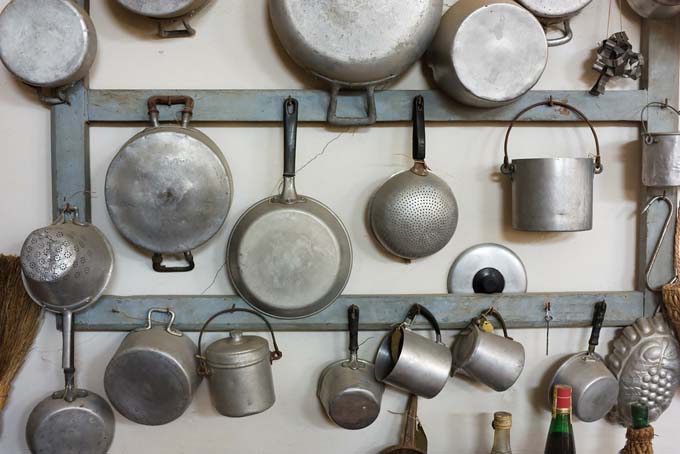
Everyone needs a way to prepare food and your old pots and pans may be exactly what’s needed to facilitate that. This category also includes items such as baking pans, glassware, bowls, and plates. You may not need these items anymore, but they can help make someone else’s life a little bit easier.

Kitchen Utensils

If you’ve recently remodeled your kitchen or just got some new silverware and flatware to match a new design scheme, you are going to have a lot of leftovers that you don’t know what to do with. Rather than let them collect dust somewhere, you can donate these items instead. Consider donating:

  • Spoons, knives, and forks
  • Cups
  • Mugs
  • Spatulas
  • Ladles
  • Serving trays

Storage Containers

When it comes to kitchenware you can donate, the easiest to let go of might be storage containers. Tupperware and the like are all extremely useful for keeping and storing food. A donation like this may go to a soup kitchen or shelter, or it could go directly to those most in need. The average person probably has more storage containers than they know what to do with; by donating these items, you keep them out of a landfill and in the hands of those who need them.

Small Kitchen Appliances

Microwaves, toaster ovens, automatic slicers, blenders, and other appliances roughly the same size make great donations and will see a lot of use even after you’ve let them go.

Categories
thrift shop Thrift Stores

How To Know if Your Shoes Can Be Donated

https://cdn.quotesgram.com/img/93/39/224099760-o-RECYCLING-COMPUTERS-DONATING-SHOES-facebook.jpg
How To Know if Your Shoes Can Be Donated

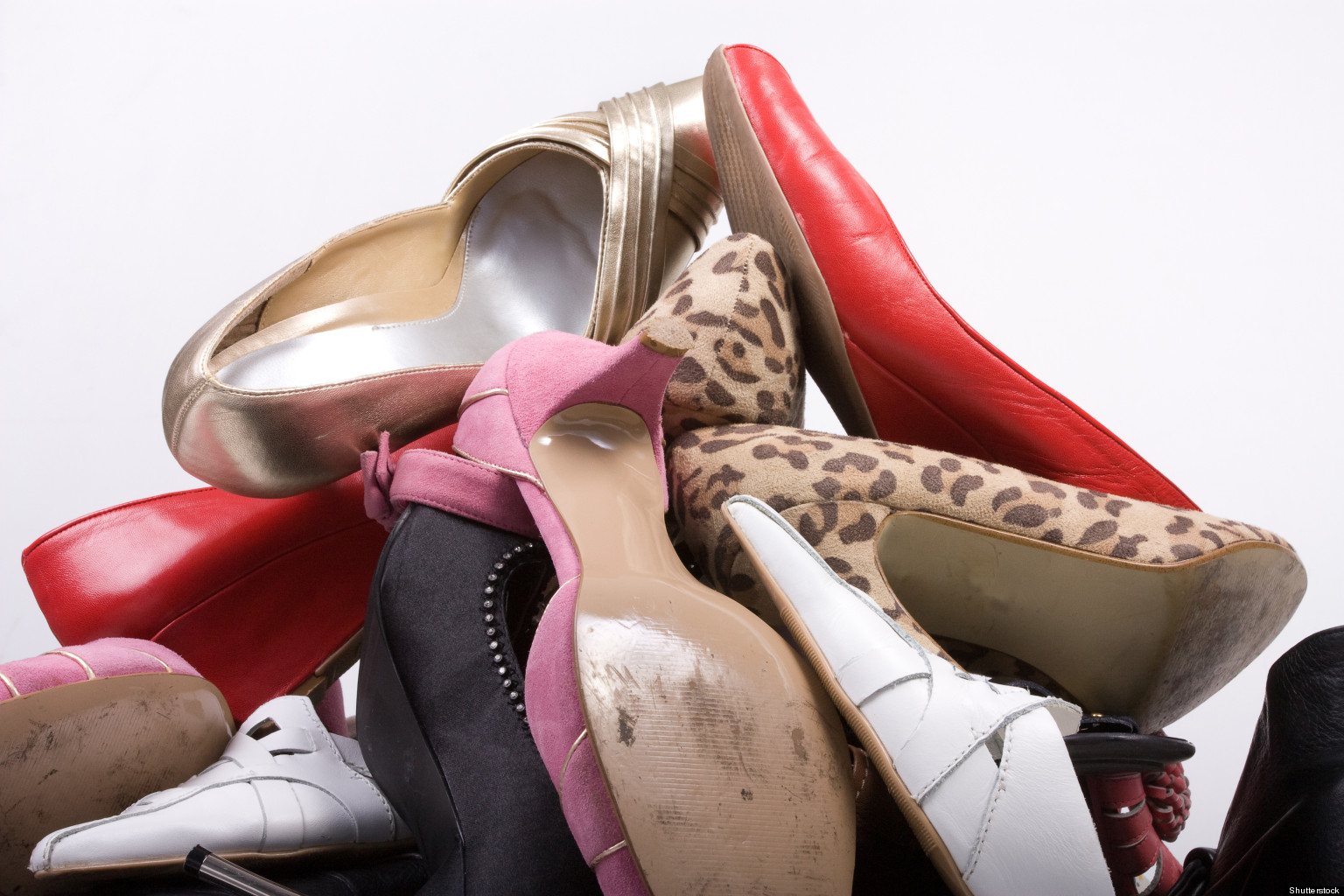
Shoes can often be one of the worst offenders for clogging up our closets. Throwing them away never seems like the right move, though, especially when some of them are still perfectly good. Shoes are one of the most in-demand items for charities and homeless shelters. If you’re wondering how to know if your shoes can be donated to the thrift stores in Destin, FL, I will walk you through what to look for.

New or Gently Used

“New or gently used” is going to be your guideline for deciding on whether your shoes are fit for donation. Obviously, stores don’t expect you to go out and buy new shoes to donate regularly; not many people have that kind of extra income.

Check the Sole

The sole is arguably the most important part of the shoe, and it needs to be in good condition if you’d like to donate it. Remember that these shoes will eventually find their way onto the feet of people who can’t afford new shoes very often, so they will need to last a long time. A solid sole will help them stay on the move without hurting their feet unnecessarily.

Check the Laces

Laces on shoes can wear down quickly with consistent use, especially for styles like running shoes and hiking boots. A lace-up shoe without good laces isn’t going to be useful to anyone. If you have some old, worn-out laces, consider dropping a few dollars on new ones before you donate the shoes themselves.

No Holes Allowed

Whether they’re in the sole or on the top of the shoe, holes are a no-go when it comes to donations. Shoes with holes defeat the purpose of giving them to people in need. They won’t protect their feet in the long run, so we don’t accept them as donations. We recommend recycling holey shoes to reduce environmental impact.

Now that you know how to know if your shoes can be donated, you can finally get to cleaning out that closet.

Categories
thrift shop Thrift Stores

3 Reasons You Should Donate Your Old Clothes Instead of Throwing Them Away

https://www.thespruce.com/thmb/_kgV8XUOWLirhg1uShPPk1KuqwE=/3656x2726/filters:fill(auto,1)/GettyImages-144560910-56fa8a7a3df78c7841965ad1.jpg
3 Reasons You Should Donate Your Old Clothes Instead of Throwing Them Away

So, you’re ready to clean out your closet. You have a lot of clothes that you don’t wear anymore, and you’re ready to revamp your wardrobe. While you’re doing that, you’re probably wondering what you’re going to do with all the old clothes. Before you throw them in the trash, consider donating them to your local thrift stores in Destin, FL.

It’s much better for the environment

When you donate your clothes, you are saving the environment from a lot of harm. According to the EPA, it costs $45 on average per ton to dispose of waste in a landfill. Clothing that sits in landfill releases toxic greenhouse gases like carbon dioxide and methane into the environment when they break down.

Lastly, making new clothes takes hundreds of gallons of water, and the production of new textiles accounts for 10% of all carbon emissions on the planet. All of these things can be avoided if you donate your clothes for reuse.

It helps people in need

Even though you don’t want your old clothes anymore, it’s almost guaranteed that someone else will. There are many people in need of usable clothing. There are disaster victims, underprivileged people, and children in need of clothing, and your donations can help. When you throw away your clothes, they have no chance of reaching people who need them the most.

It will give you an ego boost

When you do things for others, something good happens for you too. Doing a good deed like donating your old clothes will make you feel good because you’re doing something for a worthy cause. You’re getting rid of the clutter in your home and helping others at the same time.

Nearly 100% of the textiles in your home can be recycled and donated, regardless of the quality or condition. This means you really have no reason not to donate your old clothes! It’s better for the environment, it helps children in need of clothing, and you’ll feel great.

Categories
thrift shop Thrift Stores

You Should Never Buy These 12 Things New

https://www.telegraph.co.uk/content/dam/telegraph-connect/small-business/man-colourful-shopping-bags.jpg
You Should Never Buy These 12 Things New

Some things really are better the second time around. In fact, many used items can be every bit as good as those purchased new. Plus, buying used items from the thrift shops in Destin, FL almost always saves you cash.

1. Timeshares

Don’t ever pay full price for a timeshare. Some people are practically giving them away because they’re so desperate to get out from under the annual fees.

2. Basic tools

If you are handy, you need a good set of tools. Buying tools used typically will save you money, and you might even end up with something that is better crafted than what you would find new today.

If you aren’t handy, you might be able to check out tools from your local library when you do need them.

3. Cars

Rather than finding yourself upside-down on your car loan five minutes after signing the paperwork, look for a quality used car that has already taken the huge depreciation hit.

4. Books

We could take this category one step further and say you shouldn’t buy books at all. Many of us live near a public library system that can meet most of our reading needs.

However, we won’t go quite to that extreme. I personally enjoy having a well-stocked home library. I also realize that some books, such as college textbooks, have to be purchased. But that doesn’t mean you have to pay full price.

5. Big toys like boats, motorcycles and RVs

That advice about buying a used car can apply to any type of vehicle.

Virtually anything with an engine — from off-road vehicles to yachts — will depreciate over time. So, in most cases, you’ll get more bang for your buck by purchasing used.

New boats, for example, depreciate quickly. So, even if you buy a vessel that’s just 1 year old, you stand to save a boatload.

6. Houses

Your house is another big-ticket item that it makes sense to buy used rather than new. Not only can you save money, but older homes also may have better “bones” than some new construction.

If you love the idea of new construction, remember that an existing home doesn’t necessarily have to be 50 years old. If you want an energy-efficient home with new amenities, you can probably find it at a lower price if you’re willing to be owner No. 2 or 3.

7. Movies and CDs

Many of the same places that sell used books also sell used DVDs, Blu-ray discs and CDs. No need to spend money for a new disc when you can get a used one for less money online, at a garage sale or in the thrift shop.

Of course, there’s also your public library, where movies and music are free for the (temporary) taking and cheap when the library holds a sale.

8. Sports gear

Raise your hand if your kids have ever started a sport and quit after one season. I’m right there with you.

Instead of spending tons for new equipment, go to a specialty store like Play It Again Sports and buy used items. You can also scour garage sales, thrift stores and Craigslist for bargain finds.

Don’t forget to look for fitness equipment for yourself, too. Buying new weights and kettlebells, for example, doesn’t make sense if you can get used ones for a fraction of the price.

9. Musical instruments

Musical instruments are another parental purchase that could be money down the drain.

To avoid purchasing something overpriced or broken when buying used, consider spending a few dollars to have it appraised by a local music store. Or, better yet, buy a used item directly from a shop.

Renting an instrument is another option. However, keep in mind that renting a clarinet for three years could end up costing you more than if you purchased a used one in the first place.

10. Jewelry

Jewelry is also better bought used than new. Before buying off Craigslist or from a private seller, however, be sure to get an appraisal, particularly if a significant amount of money is involved.

You can also find quality used baubles by shopping for estate jewelry from jewelers or reputable pawn shops.

11. Gift cards

Here’s one you probably haven’t thought about. Some people receive a gift card to a retailer they don’t like. Others use a portion of a gift card, but have no reason or desire to spend down the remaining balance.

12. Pets

Some of you might disagree, but there really is no reason to spend a lot of money on a brand-new pet from a breeder when plenty of preloved (or not so loved) animals need homes.

My local animal shelter and Humane Society regularly have free or almost-free adoption days, during which you can bring home everything from dogs and cats to bunnies and birds. Your local shelter might offer the same.

Unless you’re planning to show your pet, spending hundreds or even thousands on a purebred animal is probably not money well-spent. The $50 puppy from the pound is just as likely to smother you with wet kisses and stare at you with unbridled adoration.

Categories
thrift shop Thrift Stores

7 Obvious Money-Saving Tips People Often Forget

https://media3.s-nbcnews.com/j/newscms/2017_28/2067216/170710-money-jar-mn-1355_b73bfd0f28cbfa8b23de3111d07d37da.fit-1240w.JPG
7 Obvious Money-Saving Tips People Often Forget

It is good to explore new ways to save money. But sometimes in our quest for fresh ideas, we forget the basics that served us so well in the past.

When that happens, take a step back and brush up on those neglected, tried-and-true methods.

All these money-saving tips have a theme in common: The details matter. Being vigilant in all areas of our financial lives — from the big stuff to the small stuff — can make a real impact on our bottom line.

Here are seven classic money-saving tips worth another look.

1. Buy used

Let someone else take depreciation on the chin. Buying used is one of the best money-saving moves, whether it’s previously owned cars, secondhand appliances in good working order, or gently used clothes and books.

Don’t wait until you need an item to buy it; instead, plan ahead. Think about what your family will need three months or six months down the road.

Then, look for bargains. During the dog days of summer, scour thrift stores in Destin, FL for great winter clothes. In autumn, pick up a used patio set from the classifieds.

2. Lighten up on the utilities

I’m a child of the ’70s and distinctly remember the first energy crisis during that decade. It seemed like, overnight, the country developed an energy conscience and began trying to conserve.

I still watch our use of utilities closely today — turning off lights when I leave a room, using dimmer switches and keeping the thermostat set at reasonable temperatures as the seasons change.

You can do it too. One very simple way to start is to install energy-saving compact fluorescent bulbs. Keeping utility costs in check saves money and reduces our carbon footprint at the same time.

3. Skip the treat (sometimes)

Don’t get me wrong: What fun would life be without a little indulgence? But for the frugal-minded, a treat that happens every day is no longer a treat — it’s overhead.

Will that treat be any less delicious if you make it at home and skip the retail markup and long lines? We all have our own “latte factor” in life, but remembering to keep our treats in line with our budget is essential when trying to save.

4. Buy in bulk

Rather than focusing on sale prices for individual items, compare prices per ounce or per unit. Often, buying in bulk makes more financial sense.

But keep three things in mind when buying in bulk:

  • Don’t buy more than you have room to store (or share).
  • Buy only those products you actually will use.
  • For perishable grocery items, make sure you’re not buying so much that you won’t have time to use them before they go bad.

5. Ride a bike

You can save a lot of money by commuting to work by bike a few times a week, or using a bike for local errands. Besides avoiding the expenses of fuel, parking and wear and tear on your car, you will get a free cardio workout.

Making a bike your prime mode of transportation is a bit easier these days, when the pandemic has more of us working from home and spending less time running errands.

6. Learn a money-saving skill

If you’re focused on frugal living, explore hobbies and activities that are enjoyable and that also help your bottom line.

Learn to plant a vegetable or herb garden, try your hand at basic car and home repair projects, or learn to refinish furniture.

7. Save the raise

If you get a raise but can still make ends meet on your pre-raise salary, consider pocketing the extra cash and putting it toward your retirement savings or other investments.

Also, put other “found cash” into savings, including a tax refund or quarterly bonus.

Categories
thrift shop Thrift Stores

10 Secrets to Finding Quality Secondhand Furniture

https://www.washingtonpost.com/resizer/Zeip2rMum63xaiXPA2ykOvAN3g0=/1484x0/arc-anglerfish-washpost-prod-washpost.s3.amazonaws.com/public/W2OBLOV75AI6PEUUOBPYAFSPNY.jpg
10 Secrets to Finding Quality Secondhand Furniture

In the market for a chair or kitchen table? Instead of new, why not try new-to-you? Buying secondhand is one of the best ways to save big on furniture.

Thrift stores, online marketplaces and estate sales are loaded with well-built furniture that’s served families for generations. Finding the best pieces just takes a little patience, vision and practical advice.

Over the past 30 years, I’ve bought and sold hundreds of pieces of secondhand furniture and decorated my home with some of my most prized finds. Here are my secrets to finding quality used furniture.

What to look for

As with most things in life, separating the gems from the junk takes a discerning eye. From credenzas to club chairs, here’s what to look for.

1. Good bones

Whether you want a finished piece or a refurbishing project, look for furniture with good bones.

What does that mean? Drawers should slide easily, hinges should work and upholstered pieces should have sturdy, solid wood frames. Plastic or fiberglass items should be free of cracks, chips or obvious fading.

It’s easy to be tempted by beautiful old furniture that’s simply too far gone. Some shabby pieces will never be chic. Before you buy, ask yourself, “Do I have the skills to handle this project? How much of an investment in new tools and time will this require?”

2. Strong joints

A joint is the point where two pieces of material meet and connect. Creating a strong joint — one that will keep a drawer, chair or cabinet door intact for generations — requires a bit of expertise.

When considering a piece of wood furniture, examine how it’s put together. Look for the following types of joints:

  • Dovetail: Dovetail joints are used to connect the sides of a drawer to the drawer front. These strong joints feature trapezoid-shaped “tails” on one piece of wood that interlock with identically shaped cutouts on the other.
  • Mortise and tenon: This simple joint is made when a mortise (a hole or slot in one piece of wood) receives a tenon (a tab protrusion in another piece of wood). This joint is usually secured with glue or a small pin.
  • Finger: Finger joints are similar to dovetail joints. Each piece of wood has a series of interlocking shapes that fit snugly together to secure the joint.
  • Pocket-hole: This type of joint is made by butting one piece of wood against another and securing them with a screw. The screw hole is pre-cut at a 15-degree angle to create a tight bond and flush surface.

3. High-quality veneers

A veneer is a decorative covering applied to a less expensive material. In older furniture, veneers are usually thin layers of high-quality wood — think tiger maple or mahogany — laid over solid wood.

Since matching and applying replacement veneers is an art form all its own, look for furniture with intact veneer.

Also, keep an eye out for “bookmatched” veneers, a technique that involves aligning two sheets of veneer so that wood grain patterns mirror one another. Because of the time and skill involved, furniture with bookmatched veneers is especially desirable and increasingly hard to find.

4. Hotel cast-offs

When hotels renovate, they often donate their old furniture to local thrift shops or sell it to the public at deep discounts.

Commercial hotel furniture is some of the best furniture out there — easy to clean and built to take a beating. And since dozens of pieces are donated at the same time, find matching sets is a breeze.

Word of caution: Don’t take a chance on hotel mattresses. They’ve had a rough life and may harbor bedbugs and other ickiness.

5. Valuable vintage brands

Though flipping vintage furniture might not be your main goal, it never hurts to score a hot collectible.

Look for brands like:

  • Heywood-Wakefield
  • Knoll
  • Herman Miller
  • Lane (specifically, Lane’s Acclaim series)

Not only are these companies known for high design and craftsmanship, they’re also popular with collectors around the world.

6. Pieces that fit your lifestyle

Let’s face it: Furniture made generations ago was made for lifestyles that no longer exist. Huge armoires, hulking dining room tables, intricately carved china hutches — these pieces may be beautiful and well-crafted, but are they relevant for you?

Look for pieces that won’t cramp your contemporary lifestyle.

Before you buy, ask yourself: “Will this be difficult to care for? Will it take up too much space? Will it be hard to move? Does it have a single purpose, or can it be used in different ways as my needs change?”

What to avoid

Everyone knows to skip furniture with missing drawer pulls and broken legs. But let’s dig deeper. There are some things you should never buy used. In the hunt for the perfect piece, you should also avoid the following.

1. Bad smells

When it comes to bad smells, it’s not just upholstered pieces you have to worry about. Solid wood is surprisingly absorbent. Over time, odors from cigarette smoke, pets and mildew can slowly penetrate wood furniture, leaving pieces with a permanently “off” smell.

In the battle of bad smells, I’ve learned to make a hasty retreat. Trying to eliminate years’ worth of soaked-in odor can turn a fun weekend project into months of hard labor. Life’s too short. Give each piece of furniture a quick sniff test and avoid the stinkers.

2. Staples

Avoid furniture that’s constructed using industrial staples instead of screws, nails or one of the joinery methods mentioned earlier. Not only are these pieces mass-produced, they’re also mass-produced hastily and without regard for durability.

Staples can come loose easily, especially when used in particleboard. This type of furniture falls into a consumer category I cynically call “pre-landfill.” You don’t truly own pre-landfill items, you merely rent them for a short time until they fall apart.

3. Granite paint

Granite paint was an unfortunate trend in the early 1990s. This faux finish was liberally applied to lamps, dressers, end tables — nearly anything that was standing still. And because the paint had to be thick enough to produce a granite-like texture, it’s almost impossible to remove.

Unless you’re ready for a big restoration project involving chemical strippers and a lot of scraping and sanding, avoid any piece of furniture with this coating from hell.

4. Children’s furniture

While technically not something to avoid, buyers should exercise caution when shopping for secondhand children’s furniture.

Some pieces are donated after a manufacturer’s recall. Other pieces may have been broken and improperly repaired, resulting in a product that’s unsafe for youngsters.

Inspect each piece carefully while buying at the thrift store in Destin FL and after buying remember to properly anchor furniture that might pose a tipping hazard.

Categories
thrift shop Thrift Stores

8 Secrets of an Expert Thrift Store Shopper

https://www.goodwillaz.org/wordpress/wp-content/uploads/2020/12/12-30-scaled.jpg
8 Secrets of an Expert Thrift Store Shopper

I approach a new thrift shop in Destin, FL the way a foodie approaches a farmers market. My palms get sweaty. My focus narrows as I mentally run through the list of everything I’m hoping to find.

Though I’ve picked my way through hundreds of secondhand stores across the country, the rush never fades.

Over the past three decades, I’ve turned my weird enthusiasm into a lucrative side business. These days, I shop more efficiently than ever before and usually find a handful of things that make every trip worthwhile.

1. Shop strategically

Committed thrift shoppers are an assertive bunch. We hit our favorite spots regularly — sometimes daily — and many of us supplement our income by finding and flipping anything that’s underpriced and in demand. To compete, you need a solid shopping strategy.

First, do a quick primary scan. Briefly check every department just to see what jumps out at you. The goal is to find the good stuff first and grab it. If you’re unsure about an item, don’t leave it behind. Put it in your cart and make your final decision later.

Next, perform a secondary search. In this more leisurely phase, focus on what’s below the surface. Look for hidden gems that others have missed, specific items you need, or clothing in just the right style, size and color.

2. Check the fitting rooms

I make the fitting room area of every thrift store part of my regular shopping circuit.

The racks outside these rooms are usually filled with clothing that’s been rejected for being too tight, too long or too … whatever. But before these items were rejected, they were selected. That means they’ve already passed someone’s critical eye.

For choosy thrift shoppers, fitting room racks are likely to hold the sartorial cream of the crop. I once found a men’s Barbour waxed cotton jacket on one of those racks for a mere $7.99. Within 24 hours, I’d flipped it for $165.

3. Get a little nosy

Thrift shopping is no different than retail shopping: The first person to glimpse new items usually scores the best stuff. If the store allows it, sneak a peek at the items waiting to be stocked.

Bins, carts, and rolling racks that are fresh from the backroom hold a store’s most recent donations and often a treasure or two. But a few words of caution:

  • Handle items carefully — no rummaging.
  • Keep clothing racks organized.
  • Try not to interfere with the tasks of busy employees.

4. Practice wabi-sabi

In a world of mass-production, thrift stores offer something rare and wonderful: one-of-a-kind finds. To fully enjoy secondhand shopping, embrace wabi-sabi, the Japanese aesthetic philosophy that teaches us to appreciate beauty in imperfection.

Don’t be afraid to buy the odd, the flawed or the homemade.

Some of the most treasured pieces in my home fit that description: a huge folk art painting of a sleeping dog, a chipped midcentury Italian lamp and a slightly frayed Native American blanket. I love these things because I salvaged them, because they have stories to tell, and because they’re utterly unique.

5. Skip the display cases

Thrift stores reserve display cases for their prized inventory — the electronics, jewelry and glassware deemed most valuable. But in my experience, these are often the least interesting things in the store.

First, they’re someone else’s interpretation of “collectible” or “valuable” — and usually off the mark. Second, these items come with high price tags, which means razor-thin margins if you’re planning to resell.

I prefer to find my own hot deals by knowing a little bit about a lot of things. When I’m unsure about an item, it takes just a few seconds to research it online. If I peruse the display cases at all, I do it on my way out the door.

6. Rethink pink

For those thrift shopping for profit, understand that color matters. And in my experience, anything pink is tough to sell.

Pink appeals to a very limited market. It’s a color that’s notoriously difficult to match. Many shades — think pastel pink, dusty rose and mauve — look faded and dated.

I once purchased a highly collectible vintage pink fiberglass chair in flawless condition and sat on it — literally and figuratively — for more than a year before finally unloading it at a flea market.

OK, enough pink-bashing. What colors are consistent winners? Blues, bright greens, bold oranges, and classic neutrals like gray and white.

7. Reject most collectibles

If you’re new to thrift shopping and would like to make a little cash at it, remember one thing: Items that were made to be collectible seldom hold their value.

Generally speaking, things like Beanie Babies, modern trading cards and Precious Moments figurines were produced in such staggering quantities that you can’t give them away.

Focus instead on less-obvious items. Timeless clothing, unique midcentury pieces and well-made vintage household products are consistently hot categories.

Recently, I found a 72-piece set of stainless steel flatware from the 1970s. I flipped it within a week for a $70 profit.

8. Go Kondo

Whether you’re thrift shopping as a side gig or simply love the thrill of the hunt, it’s tempting to seize every great deal out there. Resist this urge.

I shop by one simple rule: If I don’t need it, don’t love it and can’t easily flip it for a profit, I don’t buy it. This guideline helps me avoid mindless accumulation and keeps my home livable, organized and surprisingly minimalist. I think Marie Kondo would approve.

Design a site like this with WordPress.com
Get started