Categories
Thrift Stores

How to Shop Effectively at Thrift Stores

How to Shop Effectively in Thrift Stores

If you like to dress up without busting your wallet then you need to know how to shop effectively at thrift shop in Destin, FL. Do you like dressing up but don’t have enough money to spend on clothes? Do you like to keep on updating your wardrobe with fashionable pieces? Are you fond of vintage pieces? How about designer labels, do you also admire the keen attention to details that they give their clothes, shoes, and bags? You can enjoy these things without spending tons of money. Go thrift shopping!

Here are some tips on how to shop effectively on thrift stores so you could save money and score great deals.

Understand Authenticity

Just because the bag says Louis Vuitton, it doesn’t mean that it’s an authentic one. And just because you found one in a thrift shop, it doesn’t mean that the bag is fake. From time to time, an authentic bag shows up in various thrift shops around the world. I have found and bought numerous authentic designer bags, shoes, and clothes in the past few years that I have been thrifting. I have also seen so many good fakes that could easily pass as authentic items to the untrained eyes.

The key to scoring an authentic designer bag or designer clothes in a thrift shop is to understand authenticity. There are lots of online forums and websites that could help explain how to spot an authentic designer bag from a fake one. Make sure to read these posts and examine carefully the pictures provided to know what an authentic bag is.

Some pieces are very hard to authenticate though (such as Louis Vuitton and Prada Nylon Bags) and might require a professional authenticator to check if the bag is real. If the bag is being sold very cheaply and you have a hunch that it’s an authentic one, then decide if you want to take your chances. Take pictures of the bag as soon as you get home and send it to a credible

Here are some basic authenticity guidelines if you are buying a designer item from a thrift store:

1. Check the font – It should match the font used by the brand.

2. Check the stitch quality and stitch count – Usually, high-end design items have high stitch counts than their counterfeited versions.

3. Check the tags – Depending on the brand, a lot of high-end labels are made in Italy or Spain but a lot of them are also made in other countries so do some online research.

4. Check the material used – High-quality leather feels good to the touch and lambskin leather are very soft materials. Familiarise yourself with different kinds of materials. I did this by frequently going to thrift shops and leather stores to see and feel different kinds of leather and fabric.

5. Stay away from brands you’re not familiar with – I stay away from extremely hyped sports brands such as Adidas and Nike because I’m not very familiar with their authenticity. And also because they have very amazing fakes. There’s a high chance of acquiring a fake item if you’re not familiar with the real authentic items. I’m sure that there are tons of authentic items from these brands in thrift stores as well. However, I’m not that comfortable buying them because of my knowledge level on these brands.

6. Build a relationship with the thrift store salespeople – In some thrift stores, I returned some items that I later found out as fake. I did some self-authentication after I bought those items and compared them with available pictures online. After realizing that what I bought was a good fake, I went back to return the item. Most thrift stores here don’t refund. I always opt for an exchange instead. Please also make sure that you return the item as soon as possible.

Check for Damage and Other Defects

A lot of items being sold in thrift shops are used items and unused but very old stocks. Most unworn old stocks will still have their tags on them while the used ones will have the obvious signs of wear. Choose the pieces that have minimal signs of wear. And don’t purchase anything that has a hole, tear, or huge stains.

What are the parts that you needed to check thoroughly?

1. If you are buying used clothes – Check the seams if they’re intact and check if there are holes in the clothes. If you are buying a lot then this will be very tiring to do. Do this in a well-lit area of the store. Check if there are thread runs and stains.

2. If you are buying bags  – Check the stitches. Check the lining of all pockets, some vintage bags will develop a sticky lining over time (depending on the materials used). Check the hardware if there is any rust.

3. Check if the straps are intact and complete. If you do not see the should strap right away, check the pockets of the bag, a lot of thrift stores that I’ve been to store the shoulder straps of the bags inside the bag itself.

4. If you are buying shoes – Check the soles if there are gaps or broken heel. Check the lining of the shoes if there are tears or holes.

Know When to Go

If you are buying thrift items so you can sell them on eBay, Carousell, Instagram or other buy and sell websites, the best time to go to is on their “New Arrival’ day. What is ‘New Arrival’ day? This is the day when they release their newly bought stocks. And this is the best day to score high-end items.

This is a chaotic day for thrifters and flippers because it will be jam-packed and crazy so you better be ready.

If you are only buying for personal use then I suggest that you go on their ‘Sale’ days. Usually, this happens a week or two after their ‘New Arrival’ day. As weeks go by, they slashed the price until it reaches the lowest possible price they could go for. The cheapest time to go is the week before they release their new stocks.

It would be crazy to memorize these dates as it often changes so the best strategy is to just leave them your mobile number and ask them to text you once they have new stocks or once they go on sale.

How To Clean your Purchased Items

As soon as you get home, wash the clothes carefully. Remember that a lot of these clothes are used (or old stocks) and needs a thorough cleaning.

But before you wash the clothes, check out their care labels. Some items are not meant to be machine-washed. Some may need to be dry-cleaned. And some might not need washing at all like leather and will just need to be wiped using a leather cleaner.

What I usually do is I hand-washed the delicates. I only use the washing machine for the non-delicates such as denim jeans and jacket. I try to avoid buying items that are high-maintenance or those that need to be cleaned by professionals.

For bags, I immediately wiped them with a damp cloth. I air-dry the bags afterward and then clean them again with leather cleaner. I also clean the metal hardware using metal polishers. After a few hours, I’ll apply some leather conditioner to help improve the quality of the bag.

Categories
Thrift Stores

How to Thrift Shop Effectively

Goodwill, the Original Thrift Store, Goes Digital | News & Analysis, News  Bites | BoF

From pretty much the time I could walk, I would go at thrift store in Destin, FL with my parents for clothes or other items. With the current rise of sustainable fashion and the few clothing drives that have happened at Laurier this year, I thought I would drop some of my thrifting tips to help you find the best items!

Check Seams on Clothing

When you’re thrifting, it can be easy to mindlessly grab an item of clothing that you like without looking at it fully because it’s cheap. However, many items at thrift stores have been donated because they have issues such as staining, ripping or fading. The seams of clothing are the spots that are most likely to wear down easily, so when you’re accessing items make sure that you check them thoroughly!

Quality Over Quantity

Because items are cheap, you will likely feel far more tempted to pick out items that you wouldn’t necessarily grab if you were buying them from a store in the mall. Because of this, I try to always look for quality name brands instead of a cheaper option like Joe Fresh. A better made garment will hold up longer, and you will not need to replace it as quickly (maintain a sustainable mindset!)

Double Check any CD/DVDs you buy!

Thrift stores are a great place to pick up older movies and CDs that you may want to add to your collection. However, it is important to remember to check if they are still functional, as many people will donate them if they are corrupted in some way.

Always Look at the Purse Section

You would be surprised at how many times I have found designer bags in the bag section of thrift stores. Additionally, there are often very high-quality wallets available if you need to replace the one you have! However, I would suggest doing a bit of research into what knockoff versions of these bags look like to determine if you have a real one or not.

Take a Gander at the Scarf Section

Many thrift stores get in 100% silk scarves that are actually worth a fair amount of money. This can be easy to overlook as most people go straight to looking at clothing without considering to look at accessories. Plus, silk scarves are quite fashionable to wear in your hair now, so you will be perfectly on trend!

I hope these few tips have inspired you to thrift shop more – or if you already do, maybe convinced you to give some sections a second look. Thrift shopping is so fun, and by doing it we help to lessen our carbon footprint!
Categories
Uncategorized

How Thrift Stores Were Born

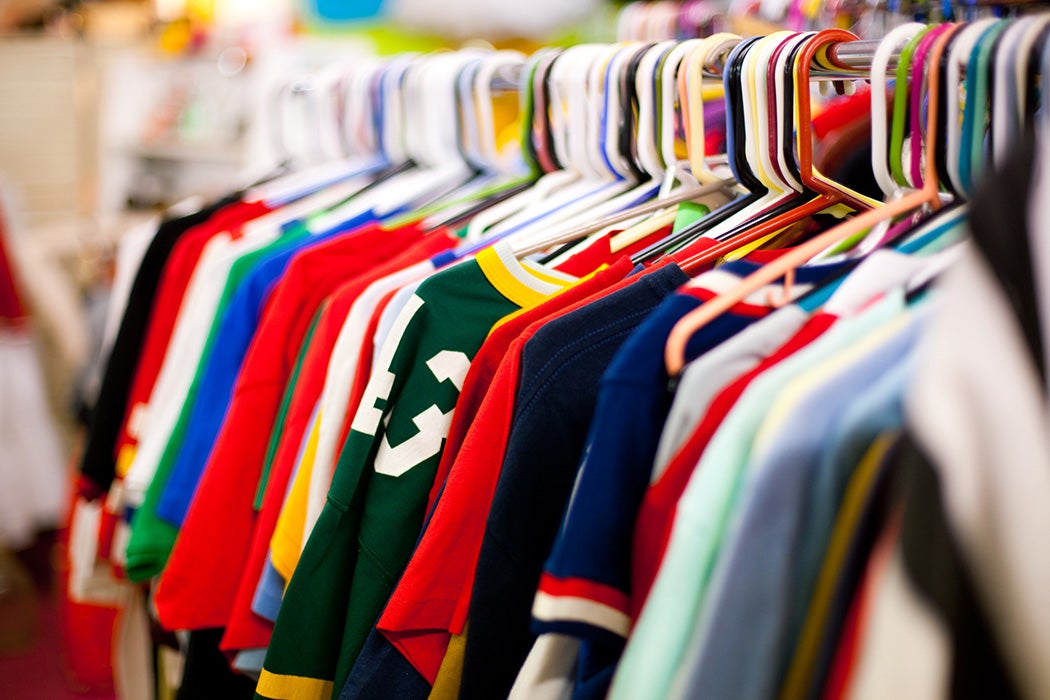
Clothing Rack full of T-Shirts at a Thrift Store

Do you thrift? If so, you’re not alone—according to the Association of Retail Professionals, about 16 to 18 percent of Americans shop at thrift stores in any given year. But how did the thrift store come to be, anyway?

Jennifer Le Zotte has the answer: At the turn of the 20th century, Christian organizations pinned their coattails both to the Progressive-Era spirit of reform and new developments in consumer culture. By linking charity and capitalism, organizations like Goodwill and the Salvation Army invented not just an entire business sector, but an ongoing financial lifeline.

Secondhand sales have always existed; indeed, secondhand shops thrived long before the thrift shop in Panama City Beach, FL was invented. But immigration and industrialization created a critical moment both of financial need and secondhand goods. Add the popularity of the rummage sale—bazaars that sold society women’s cast-offs to raise money for churches and other charitable causes—and you had a moment ripe for reformers.

In the 1890s, you could buy used goods from rag dealers—often Jewish immigrants. But anti-immigrant, anti-Semitic prejudice set in, and the public painted their profession as filthy and predatory. In 1897, the Salvation Army stepped in with a “salvage brigade” that offered poor men food and shelter in exchange for collecting scrap paper and other castoffs. Settlement houses and churches followed suit.To overcome prejudice against used items, thrift stores emulated department stores’ displays.

These early thrift store predecessors were relatively simple: Impoverished people became organizations’ workforce, collecting unwanted goods and refurbishing them. The pieces that could be salvaged were then sold at junk shops and the money put back into the programs.

Not everyone liked the model. As Le Zotte documents, they savaged the Salvation Army as “junk dealers” and implicated that the business was shady and unsavory. It was time for a rebrand—and the thrift store was born.

Le Zotte draws connections between the thrift of Christianity and the thrift of capitalism. Thrift stores drove awareness of charitable giving and helped American consumers come to terms with an increasingly mass-produced, disposable economic system. And the more one could justify their purchases as thrifty and charitable, the more one could justify casting off consumer goods.

Thrift stores served another purpose: They were a gateway drug to American consumer culture, teaching poor immigrants how to shop. Despite concerns about the morality of shopping itself, writes Le Zotte, reformers argued that thrift stores helped immigrants “develop the skills necessary to adequately negotiate the increasingly complex American marketplace.”

Categories
Uncategorized

How To Thrift Shop Like A Pro

Macklemore-Ryan-Lewis-Thrift-Shop-still-billboard-650-1548

What are thrift stores?

In case you have never been, thrift stores are places where you can purchase used clothing, accessories, furniture, and pretty much everything under the sun at a very low price. Of course, not everything in the store is worth the money, but with the right tips and even some plain old good luck, you can find some incredible treasures hidden within the aisles.

Know where to shop

The first tip is to seek out the best thrift stores in your area. You can do this by simply looking up “thrift stores near me” and checking out the reviews. Typically, the thrift store in Panama City Beach, FL is better because they are bigger and have a lot more items to sell. Goodwill, Salvation Army, and Savers are some of the most well known chain thrift stores. Also keep in mind that you will usually get nicer finds in a thrift store that is located in a more upscale community, so sometimes it is worth the drive.

Have some patience

When you enter the thrift store, it can be pretty overwhelming, especially if it is a large store crammed with stuff. First, take a deep breath and focus on which department you would like to venture into. The idea is to keep your mind open and scan through each item, whether it be clothes, shoes, or anything else, with ease and patience. Looking through clothes can be particularly hard since there are so many, but take your time until you see a certain color, fabric, or style that catches your eye. Don’t get discouraged if you don’t find anything at first – sometimes it takes a few trips until you get lucky.

capture5
How to thrift shop like a pro

Look for sales

As if the prices weren’t cheap enough, there are almost always sales in thrift stores. Some stores will put colored tags on the items and each day will have a sale on a certain color. Some stores will have days where something specific is on sale such as dresses, shoes, shirts, jewelry, and more. Don’t be shy to ask an employee when the next big sale is coming up.

Check the condition before you buy

Even if you find an awesome Calvin Klein Tee for two dollars, don’t be too quick to throw it in your cart. Take a few moments to check the condition of the fabric and make sure there are no stains or holes. If you are buying an electronic item or something with multiple pieces, make sure it is all there and not missing any parts or broken. Even though it is dirt cheap it doesn’t mean you shouldn’t check out the merchandise before you buy it. Remember that the item is used and there is a big chance that the condition is not perfect. Look for items that look clean, in good shape, and almost new.

Bring in your old stuff

While you are in the store, you might as well drop off some items of your own. We all have old clothes that are just taking up space in our closets, or nicknacks that are collecting dust in the attic. Do a good deed and give it all to a thrift store. Lots of the larger thrift stores donate their profits to specific organizations and charities.

centralia-thrift-store-1
Categories
Uncategorized

Thrift Shopping is Responsible, Cheap, Fashionable


Living an environmentally-friendly lifestyle is an increasingly popular trend, especially among young adults. With this comes the trend of secondhand shopping, or thrifting. Whether it’s physically hunting through piles of clothes at Goodwill or Salvation Army, or shopping on an online consignment shop like thredUP, this fashion and lifestyle trend has become an eco-friendly, socially responsible and chic way to shop.

Though thrift shopping may have been looked down upon previously, it has been embraced by many, becoming a huge player in the fashion world. According to First Research, the resale stores industry in the U.S. includes over 20,000 stores, with a collective annual revenue of about $17 billion. The Association of Resale Professionals reported that Goodwill Industries alone earned $5.37 billion of that revenue in retail sales from over 2,000 not-for-profit resale stores and online sales in 2014.

The most obvious personal benefit to resale shopping is the amount of money you’ll save while doing it. According to True Activist, the average clothing item sold at resale is about 50 percent cheaper than you would pay in a regular store. Secondhand shops almost always tend to have designer brands at a big discount.

What’s more, there is no more waiting for next season’s collection as thrift shops in Panama City Beach, FL receive clothing donations every day, meaning most of the clothes at these stores is new-in, and as varied as the people donating them. That means there is something for everyone, and there will always be fresh options to choose from.

The clothes sold by second-hand stores are donated by all types of people, which means you are bound to find something that works for you. The variety of cuts and styles alone allows people with different tastes, as well as different body types to find something. And even if you get home and the piece of clothing you bought doesn’t fit like you thought, you only dropped a couple of dollars on it anyway. You could even donate it back to the store you got it from.

Secondhand stores have long been considered the promised land of eccentric clothing. If you’re looking for unique statement pieces, head to a consignment shop or thrift store and look for a vintage faux fur vest or a fringe suede jacket.

One of the many benefits of thrift shopping is the diverse wardrobe you’ll inevitably develop. These eclectic donations mean you can find various kinds of clothing from all different designers, collections and decades on any given day. With the revamp of 1970s style making a statement in the fashion world, thrift shopping is one way to find genuine vintage clothing so you can truly embrace the trend. When you are on the hunt, keep an eye out for bell-bottom pants, flowy lace tops and dresses with bell sleeves.

Looking for an outfit more suited to the current decade? College students and young adults often sell their clothes to thrift stores, which you can too if you need the extra bucks.

Thrift shopping considered an eco-friendly alternative to regular shopping because it reduces waste, keeping unused clothing out of the landfills. Every item of clothing you buy second-hand is one less piece that has to be manufactured in a factory, meaning less energy being burned and gases released into the environment.

Outside of simply being good for the environment, many consignment shops and thrift stores run as supporters of various charities and organizations. Goodwill is part of Goodwill Industries, which provides programs to people with socio-economic barriers to help them find employment. The Salvation Army also provides shelter, food, job training and guidance to struggling families outside of selling clothing. Even if you don’t shop at one of these charitable stores, spending money at local consignment shops and thrift stores is a good way to keep money in your community and help small businesses.

Categories
Uncategorized

Learn the Do’s and Don’ts of Thrift Store Shopping

Young blonde and brown friends enjoy in secondhand clothing shop

Whether you love the thrill of the hunt or you’re trying to stretch your shopping budget (or a little of both), shopping at thrift stores can really help you make the most of your money. But not everything at thrift stores in Panama City Beach, FL is a good deal. And there are lots of tips and tricks to help you shop smart and avoid common thrifting mistakes. Let’s take a look at the do’s and don’ts of thrift store shopping.       

DO

Visit Several Stores

One of the best parts of thrift store shopping is that no two stores will have the same items. You’ll have the best chance of success when you visit multiple stores in different parts of town.

Make it Easy to Try Things On

Many thrift stores don’t have fitting rooms, so you might have to try things on over your clothes. Wearing leggings and a close-fitting T-shirt or tank top as a first layer means you can slip things over them with ease.

Keep an Open Mind

You never know what you’re going to find when thrifting, which means you’ll have the most fun when you’re open to possibility. You can go shopping with specific things in mind, but don’t be disappointed if you can’t locate exact matches for your wish list.

Learn Basic Mending Skills

Oftentimes people will donate clothing simply because it needs a small repair, such as sewing on a button, turning up a hem or fixing a zipper. Learning these basic mending skills means you won’t have to pass up a good find that needs a small fix.

Get to Know the Staff

Make an effort to establish friendly relationships with staff members at your favorite thrift spots. They’ll be able to let you know when they’ve spotted a great find that suits your style and may even set things aside for you before they hit the sales floor. They will also clue you into upcoming sales and other special events.

Inspect Items with a Critical Eye

Many thrift stores don’t allow returns. That’s why you’ll want to thoroughly inspect items before you commit to buying them. Be on the lookout for stains, odors or major damage you can’t easily repair yourself.

DON’T

Buy Just Because it’s Cheap

Super-low thrift store prices can make it tempting to buy more than you really want or need. Just because something is cheap, doesn’t mean it’s a bargain. Unless you know for certain you will use or wear something, leave it for the next lucky treasure hunter.

Assume All Stores Have the Same Policies

Store policies regarding payment method, returns and donations vary widely. Don’t assume all thrift stores share similar policies. To avoid frustration and confusion, ask a staff member to outline their policies when you visit a store for the first time.

Hesitate to Bargain

Thrift store prices are low, but that doesn’t mean they can’t go lower. If you think something is priced too high for what is, ask if they’re willing to take less for it. Just be polite in doing so and don’t be discouraged if they’re not open to bargaining.

Forget to Wash or Dry Clean Items Before Wearing

You’ll be excited about your new finds, but be sure to take the time to wash or clean them before wearing. For dry clean only items, a home cleaning system, such as Dryel, is an easier, cheaper option than going to the dry cleaner.

Make these Common Mistakes

There are certain things you should never buy from thrift stores. That list includes: underwear, swimwear, workout gear, and hats. And be very careful when buying thrifted shoes. Unless they are brand new or barely worn, it’s probably best to leave them on the shelf.

Categories
Uncategorized

Reuse, repair and repurpose: The 3Rs of furniture

Reuse, repair and repurpose: The 3Rs of furniture

Damaged, worn, and outdated furniture can be a hassle to get rid of, but there are plenty of alternatives to trashing it.

Reuse

When furniture no longer fits your lifestyle, consider selling, donating or giving it away.

Many thrift stores accept furniture for resale, and some nonprofits such as Bridging redistribute used furniture to people in need.

You can also try selling or giving an item away on neighborhood social media sites such as Facebook garage sale groups, Nextdoor and Craigslist. And don’t forget to check these places first when looking for replacement or new-to-you furniture.

Repair

When breaks, surfaces get scratched, or upholstery tears, try getting it repaired instead of replacing it.

There are dozens of furniture repair businesses in Hennepin County and the greater metro area that can get your furniture looking new and functioning again. The Hennepin County Fix-It Clinics offer free advice and assistance on repairing repair household goods, including furniture.

Event when items don’t seem fixable, check with an expert first before you get rid of it – you may be surprised at what is possible.

Repurpose

When furniture is outdated or you decide you like the shape but not the look, consider repurposing it.

Wooden chairs, tables and bookshelves can take on a whole new look with a simple coat of paint. Dressers can be transformed from drab to chic with some paint and new hardware. Upholstered furniture can be reupholstered or even painted for a new look and feel, and this may be cheaper than buying new.

Outdated pieces can also be transformed into new uses. For example, a dresser or table can be converted into a bathroom vanity, or a cabinet can become a kitchen island. Look for ideas and instruction guides online.

When repurposing items, or if you are building from scratch, look for used materials at the numerous used building material businesses in the area.

Whether it’s reuse, repair or repurposing, you’ll find lots of options for making furniture usable again on thrift stores in Panama City Beach, FL.

Categories
Uncategorized

Decluttering during self-quarantine: what, how and where to donate properly

If you’re cleaning and decluttering, this is a great time to get serious about donating usable goods that are taking up space in your overcrowded home.

We’re here to help, given that it isn’t exactly business as usual when it comes to donating. To make things easier, both for you and for the organizations that will receive your donated goods, we’ll walk you through:

  • How and where to get started with donation
  • What to donate
  • How to prep and store items for donation
  • Where to donate or sell items properly

Where to Get Started

Decluttering might sound easy enough in theory until it comes time to actually get started. Then you may find that there’s a reason you’ve been putting it off for this long. Maybe you’re just not sure where to begin or how to channel your inner Marie Kondo and get organized.

Uncertainty about where to start and what to do might tempt you just to toss unwanted goods in the trash. Don’t do it! Donating and buying usable everyday items (along with sharing and renting them, etc.) are some of the smartest, most effective ways to reduce pollution and preserve the scarce resources that go into manufacturing, transporting, marketing and ultimately disposing of new goods. Recycling is good. Reuse is way better!

So, if you find yourself getting frustrated, let us make things easier by helping you approach the process of organizing and preparing your donations methodically!

We suggest taking it one room at a time.Girl decluttering her closet

Room 1: Bedrooms

Bedroom closets are a great place to start when it comes to decluttering, since unwanted shoes and clothes can quickly fill them to capacity. Clothing especially takes up a lot of room you may or may not have. Here are some good questions to ask yourself when debating whether or not to part with shoes, jewelry, purses, clothes or other accessories:

  • Do I love it?
  • Do I wear it?
  • Does it project the image I want to project?
  • Does it itch or scratch?
  • Does it pinch my toes? Are the heels too high to walk in?
  • Is it torn? Stained?
  • Does it fit? And if not, is it likely ever to fit me in the future?

Be honest with yourself when answering these questions and think about how much use and joy you really get out of some of those items. There are also benefits to owning fewer clothes, especially if you’re trying to live a more minimalist lifestyle. Plus, you’ll be providing someone else the opportunity to love these items. It’s a win-win.

Tip: Keep a box or bag in your closet or laundry room specifically for donations. It’ll make decluttering even easier by providing a place for items you no longer want or use whenever you happen upon them.

Room 2: Kitchen

Start with food. If you have unwanted, non-perishable items nearing expiration, donate them to a local food pantry.

Next, let’s move onto kitchen gadgets. Ask yourself, how much use is that waffle iron really getting? And what about those old pots and pans that are still in good shape but have long since been replaced? Those are items that someone else would probably love to take off your hands.

Lastly, dishware and silverware. Maybe you have a cupboard overflowing with coffee mugs or you got a new silverware set and aren’t sure what to do with the old set. Donate it!

Room 3: Family Room

We recommend donating things like games and puzzles (mark if missing pieces), DVD/Blu-Ray movies, video games and consoles. Check your bookshelves for books you likely won’t read ever again. If they’re in good shape, you can donate. If not, you can recycle paperback books (hardcover books you would have to toss due to their binding) along with other items from your home office that you no longer use.

If you have kids, be sure to go through their toys or stuffed animals and see which ones are still in good condition. Donate what your kids have outgrown or don’t play with anymore. Also, don’t forget about that coat closet where things like shoes, coats, hats, gloves, and umbrellas usually end up.

Room 4: Garage

The garage can sometimes be a “catchall” for things we don’t want but aren’t ready to get rid of quite yet. You’ll likely find lots of donatable goodies out there. Take a look at usable items that make sense to donate for the season we’re in – like bikes, holiday décor, tools, sports equipment, or plant containers.

Maybe you have pet supplies stored out here that you’re no longer using. Things like usable food dishes, crates, kennels, toys and leashes. Many donation centers take these items along with animal rescues.

Still not sure which items you should consider donating? Here’s a bit more inspiration.Girl with box decluttering

What to Donate

Items you should consider donating:

  • Antiques and home décor
  • Appliances
  • Baby gear and diapers
  • Bicycles
  • Books
  • Cameras
  • Clothing–men, women, children
  • Costumes
  • Crafts and sewing supplies
  • Electronics
  • Fitness equipment
  • Formalwear, gowns and wedding dresses
  • Furniture
  • Games and toys
  • Home improvement and repair items
  • Household items
  • Jewelry and watches
  • Lawn, garden and tools
  • Medical equipment
  • Movies and music
  • Musical instruments
  • Office, storage and school supplies
  • Pet supplies
  • Sports and outdoor recreation gear
  • Shoes and leather
  • Vacuums
  • Vehicles and boats

You may have some items that you’re unsure if you should or can donate. Different organizations and stores will have different criteria or items they don’t accept, so we recommend checking with them first.

Find information on the best way to recycle, reuse or dispose of items from your home by viewing the Green Disposal Guide. You can find a list of items as well as search particular items you may be questioning. You can also find drop-off facilities near you that are open and what items they’re accepting.

Decluttering books

How to Donate

How to prepare donations

  • Clean
    Before donating any items, it’s a good idea to give them a good cleaning. Clothing and linens, even if they haven’t been worn or used in a while, could benefit from a quick wash, for example. You should wipe down things like toys and games and give pots and pans a good scrub. While some organizations may accept unwashed items, it’s best to clean them before you donate.
  • Check your items
    Check to make sure your items are in working order and complete before boxing them up for donation. Check pockets, book pages, and drawers as well, to make sure you’re not leaving something behind.
  • Organize
    Once you’ve cleaned and checked your items, if you can, separate them into useful categories (e.g. shoes, decorations, clothing, linens, housewares, games, toys, etc.).  Secondhand stores will sort and organize items as part of their intake process but doing this part upfront will help save them time. It’s also best to keep matching items together.
  • Label your items
    Your donations have been decided, cleaned, checked, are in working order, and organized. The last step in prepping your items is to label your bags or boxes, marking what category or items are inside them, and maybe even noting the donation location. This way you know right where you stored your donations and where they’re going.
Wash clothes before decluttering

How to store donations

While some businesses remain closed due to COVID-19, others are beginning to reopen and will start accepting donations again. We recommend contacting your local store for information on store hours and their ability to accept donations. If the location you were considering isn’t accepting donations quite yet, don’t let that tempt you into ditching your donations instead. Here are a few storage ideas in the event you have to hold onto your items a little while longer:

  • Your basement
  • The garage
  • A spare bedroom
  • In the corner of a room
  • At a friend or family member’s home if you don’t have extra space

Again, make sure you’re placing items in easy-to-carry and easy-to-store bags and boxes. That way, when the time comes to donate them, it’s not too much of a hassle to load them. Also, no matter where you decide to store your items, try to make sure it is someplace safe from the elements and critters. Oh, and don’t tuck them away so completely that you forget about them!

How to donate your items

If you don’t have space or can’t stand to look at your items for a minute longer, you can search for locations that are open and accepting donations. While this may be limited right now, there are some.

Decluttering chairs

Where to Donate

We implore you not to drop off your items outside these locations or bins, as they are either not open or aren’t accepting or picking up donated goods. Again, we recommend contacting your local store for information on store hours and their ability to accept donations.

When it comes to deciding where to donate or sell your decluttered items, there are a variety of options, from thrift shops, to consignment stores, resale retailers, vintage shops, and even online stores. You can use choose the thrift stores in Panama City, FL for suggestions on where to donate.

Regardless of what you decide to donate, how you choose to prep and store your items, or even ultimately where you end up donating, we just ask that you think twice before ditching your items. Donating, selling, and/or buying used goods helps keep items out of the trash and reduces our impact on the planet. We encourage you to buy used whenever possible and donate or sell unneeded usable goods.

Decluttering stuffed bunny

Categories
Tips & Tricks

5 common misconceptions of buying used goods

5 common misconceptions of buying used goods

From thrift stores to vintage shops, to consignment or antique stores and other secondhand style retailers, buying used goods doesn’t always get the respect and recognition it deserves. We think that’s because shoppers don’t always have a clear understanding of how to get the most out of the experience. So we’re here to set the record straight and address these thrifting misconceptions. Hopefully these insights will inspire more people to try buying used – and nab some fun finds.

Thrifting misconception #1:
Secondhand stores only have outdated items

This one tops the list because we hear it so often. While it’s true that secondhand stores do sometimes carry older items, we actually see that as one of thrift shopping’s benefits. You’re not going to find all the same items everyone else is buying. Instead, you’ll discover hard-to-find vintage items, one-of-a-kind pieces, and even furniture that you can take home and refinish to make your very own.

But we get it: Vintage isn’t for everyone. Secondhand stores know that, though. That’s why many of them broaden their appeal by carrying a mix of old and new.

A visit to local consignment shops or high-end reuse retailers will give you a front row seat to current fashions, name brands and more, at a discount. Remember, consignment shops make their money by offering what people want. Items that are outdated or not on trend likely aren’t even making their way to the floor. So not only will you find some of the latest fashions, accessories, and furniture in secondhand stores, but you’ll also be able to purchase them at well below retail prices.

Thrift shopping new to you items
Thrifting misconception #1:
Secondhand stores only have outdated items

Thrifting misconception #2:
It’s hard to find things in thrift or secondhand stores

We hear this one pretty frequently and are here to ease your concerns. Items in secondhand stores are often organized by category or, in the case of clothing, by type. All the men’s shirts will be in one section and women’s dresses in another. They usually take it a step further and organize clothing by color and size, too.

Home decor, books, music and the like will each have their own section, organized by different criteria. But part of the fun of thrift shopping is the thrill of the hunt – the pleasure of doing a little digging to find that must-have item. That said, secondhand stores want to make it easy for you to find what you’re looking for.

Thrift shopping for tshirts
Thrifting misconception #2:
It’s hard to find things in thrift or secondhand stores

Thrifting misconception #3:
Buying used goods is only for people who can’t afford to buy new

As far as thrifting misconceptions go, this one is pretty far from the truth. Just because people buy used doesn’t mean they can’t afford to buy new. The love of a bargain, after all, has little to do with income. Plus, thrift stores are typically the only place to nab one-of-a-kind vintage items or unique retro pieces. People who have a taste for the unusual become thrift shop regulars, regardless of how fat their wallet is. That’s also true for people who want to cut waste, preserve natural resources and support local businesses. Many of them can afford to buy new, but they choose to reuse.

Is saving money one of the benefits of shopping secondhand? Absolutely! But that’s just being smart with your money. Part of the appeal of buying used is that in addition to getting a bargain, you’re realizing all sorts of other benefits. In fact, we’ve written an entire blog post on the benefits of buying used.

Thrift shopping for great deals
Thrifting misconception #3:
Buying used goods is only for people who can’t afford to buy new

Thrifting misconception #4:
It isn’t safe to buy used goods from a store

Actually, it’s perfectly safe to buy used goods from a secondhand store. Sure, we suggest looking over your prospective purchases before buying. Whether you’re shopping for secondhand clothes, furniture, tools, you name it, “Try before you buy” is a good motto to follow no matter where you shop. But there’s no need to be nervous. Unsafe, recalled or severely damaged items are typically removed by the stores’ staff and never even hit the sales floor.

If your concern is a matter of cleanliness (see our next thrifting misconception ), we do recommend washing clothing properly after you’ve brought it home. But we make that same recommendation for new clothing as well. For non-apparel items, we also suggest cleaning off before using. Things like toys and dishware can be washed in the sink or dishwasher. Furniture and other items can be wiped down or dusted off.

Thrift shopping for toasters
Thrifting misconception #4:
It isn’t safe to buy used goods from a store

Thrifting misconception #5:
Used clothing is dirty and secondhand stores smell

Sure, used clothing has been worn by someone else before. That’s why it’s called “used” clothing. But that doesn’t make it “dirty.” A simple run through the washing machine and these items will be good as new-to-you. Keep in mind, also, that clothes are washed before they’re donated, so any washing you do will likely be a bonus.

Remember, even new clothes have been touched and tried on by other people. You wash new clothes when you bring them home, right? If not, we recommend it, as this reduces the content of chemicals on the clothes, especially any residual chemicals left over from the manufacturing process.

Another misconception about secondhand stores is that they smell. That’s usually not true, however. Yes, thrift stores can sometimes have a more noticeable scent, but that’s primarily due to the fact that they’re smaller shops where many people’s home scents come together under one roof. If you walk into a big-box store, the size of the space allows various smells to dissipate – a fact that has nothing to do with cleanliness. In any case, once you get your purchased items home, whether you wash them, wear them, or just have them there, over time those goods will take on the smell of your home.

Don’t let these thrifting misconceptions stop you from finding some really great, high-quality, even name-brand pieces out there at a fraction of the cost of buying new.

Washing clothes bought at thrift store
Thrifting misconception #5:
Used clothing is dirty and secondhand stores smell

These are just some of the common thrifting misconceptions that sometimes prevent people from having a fun experience and finding some really great clothes, books, furniture, home decor and more. If you’ve hesitated to visit the Thrift Shop Panama City Beach, FL because of the concerns raised above, we hope we’ve cleared up some of the confusion. That said, we can provide all the facts in the world, but our best suggestion is to find out for yourself by checking out your local consignment or thrift shop, antique or vintage store. Happy shopping!

Categories
Uncategorized

All about books

All about books

Books. There is something about them that touches your senses. The look, feel, and smell of the perfect used book is something any book lover will tell you about. Sometimes it can even be the hunt to find that out-of-print book in the series you’ve been looking for. No matter what a used book means to you, there are tons of ways to reuse the books that you no longer want.

Donating

  • The key to donating books is knowing the what, when, and where. Check with the organization you are donating to what they accept, where to donate books, and when they accept donations. Smaller or seasonal sales may only accept book donations at a certain time of the year.
  • Be sure that the books you are donating are free of mold or mildew (odor free), all pages are intact and the binding is still solid. No one wants a stinky book or a book that is missing pages.
  • Books like encyclopedias, textbooks, book sets, Reader’s Digest Condensed Books, are often a little more difficult to donate, so be sure to check what they will accept before donating.
  • If donating to an international charitable organization or an organization that is providing books to another country, be sure to ask what types of books they are looking for so you know they can use it. It costs any organization or business money to recycle or dispose of unwanted books.

Buying and selling

  • Used book sales—Community organizations and non-profits will often hold occasional book sales and these can be held every few months or annually. Be sure to check local Facebook sites and community newspapers for these sales. Many times they’ll accept donations of books you no longer need as well.
  • Used book stores—These types of stores are often locally owned and operated. They will take your used books a variety of ways, giving you cash, store credit or offering trade in exchange for your books. These types of stores are a great way to find out of print, collectible, vintage, and current books for a lot cheaper than new books from an online retailer, chain bookstore or discount retailer.
  • Library sales—Volunteers help each library by selling books pulled out of circulation from the library, as well as donations from the public. These sales profits directly go to each library the sales are held at to help with all sorts of expenses.
  • Trading and swapping—The fun thing with trading and swapping is you can do it with friends, neighbors, co-workers, just about anyone, anywhere. You can set up a swap table at work or your local coffee shop may have a bookshelf to let patron’s trade books with one another. You’ll be surprised who is trading books.
  • Online used books—Everything seems to be available at the touch of a button these days. If you aren’t able to find that ‘must have’ book at the places mentioned above, there is likely a place to find it online. Did you know many independently owned book stores have a web presence as well? So you can still shop with the small stores, even online! Just check out their web sites and browse away.

The thrift stores in Panama City Beach, FL has listings of book sale events, businesses and organizations that are interested in your books, so please be sure to search for your area when you are in need of a new-to-you book or are ready to part with your last read.

Design a site like this with WordPress.com
Get started