When you’re looking for items to donate, you don’t have to stick to your closet. There are a lot of other things that people could use besides your old clothing. Take some of your furniture, for example.
Everyone has at least one piece of furniture they’re not really that fond of or that doesn’t match the rest of their décor. Those pieces are perfect items to donate. Here are some of the reasons you should consider donating furniture when you decide that it’s time to do some house cleaning.
Your Donation Makes a Difference in Someone’s Life
We can all understand how donating something like clothes can help someone out, but your furniture can do the same type of good. Never think that something you donate won’t be put to good use. The money that they get from your furniture can go on to support someone who is down on their luck or needs some support.
Ease of Disposal
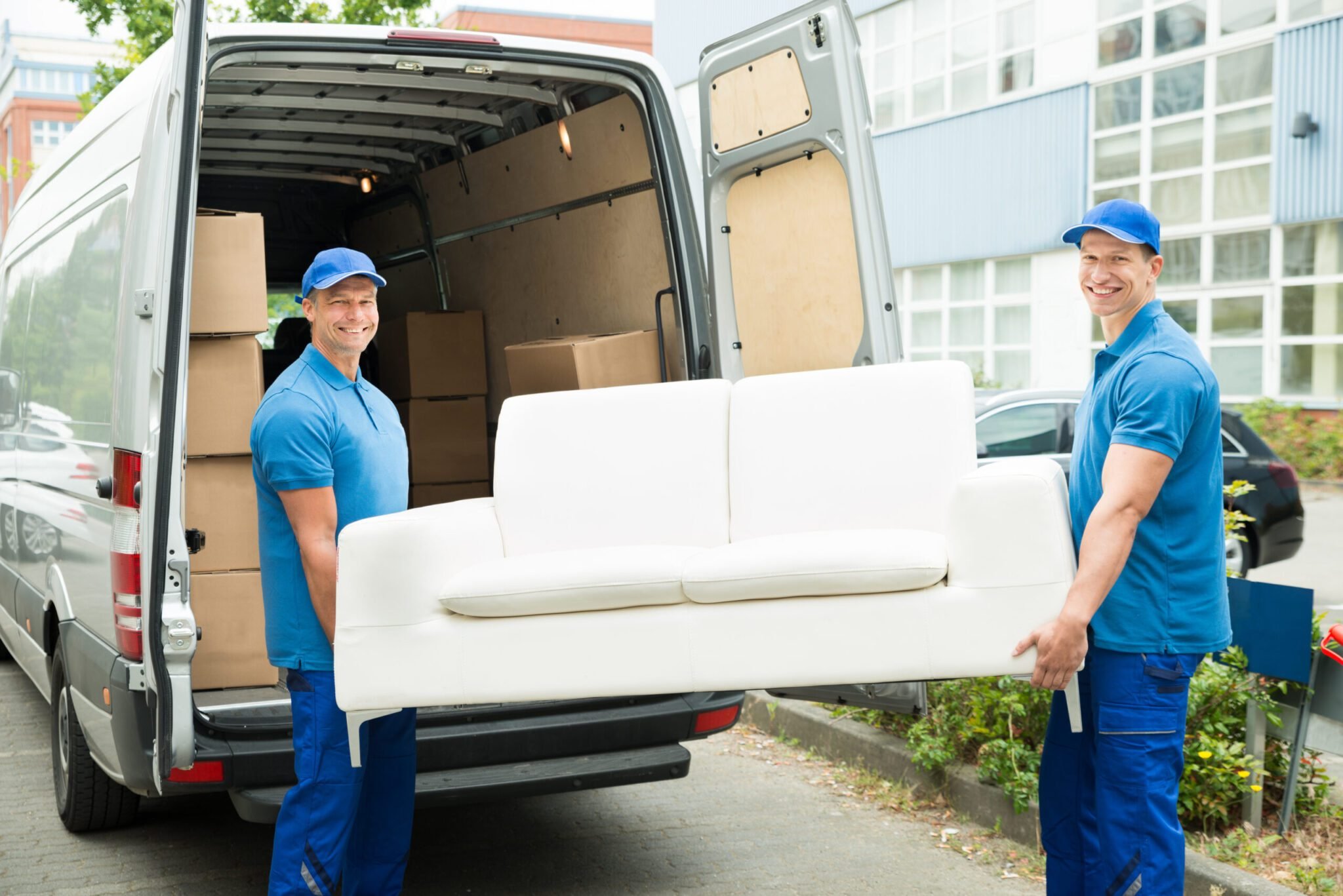
Getting rid of furniture that you don’t want anymore can be quite a bit of a hassle. Moving furniture is annoying enough, but large furniture requires special disposal methods that can take a lot of time out of your day. Rather than deal with all of that, you can easily get rid of your old furniture by dropping it off with us.
Wanting To Recycle Rather Than Trash
We all need to do whatever we can to help the planet out. That means reducing the amount of trash we throw away whenever we can. Furniture can take up a lot of space in a landfill. Don’t let perfectly good furniture go to waste in the garbage. You can give it a new life by donating it instead, and you’ll help the planet in the process.
Get a Tax Write-Off for Your Donation
Furniture donations can pay you back in a big way. You can claim these donations as a write-off on your taxes and get a little bit back for your generosity. All you need to do is make sure that you get a receipt for your donation.
Hopefully, these reasons you should donate your furniture have made you consider the benefits. If you’re looking for a donation pick up today, thrift shops in Panama City Beach, FL has you covered. They’ll be glad to come by and pick up whatever you decide to donate, whether it’s clothes, furniture, or other useful goods.
Top 5 Thrifting Tips.. As Told By a Thrift Store Legend
How has it taken me this long to write a decent blog post with thrifting tips? I figure there is already a lot of that out in the blogsophere, but today I would give it a go with my thoughts on thrifting!
Know yourself to thrift, thrift to know yourself
Excuse me while I get all deep and philosophical for a second. It can be both overwhelming and exciting to walk into a thrift store and fall in love with everything you see. It’s better to go in with an idea of who you are and what your style is so you don’t make purchases that you’ll later regret. On the other hand, you may do enough thrifting that you begin to shape and understand yourself better. So know yourself to thrift and thrift to know yourself.
Thrift with others who are just like you
This is important for a few reasons. If you are with a like-minded individual, then you can help each other out by picking up items the other one might want. Thus making shopping go faster! Another person is also great to help justify a purchase and give you a second opinion on things. Plus, everything is more fun with another person, right?
Set expectations but expect to have them broken
I’ll be the first to say that I want to go into a thrift store with a list and be able to find everything before I check out. But that’s not how second hand stores work! It’s ok to have a list, but set your expectations of what you’ll find really low, that way you’ll be more than pleased with your findings.
Visit multiple stores. One is not enough!
Thrift stores are like candy bars in that after having one, you immediately want another. At first it feels really selfish, but after a few, you become satisfied. My point is that one thrift store is never enough! They’re all so different, so you should make a day of going to multiple facilities. Make a day of it!
Save a lot of money
I’ll be the first to admit that I’m cheap. I like to save a buck! Thrift stores already save you money, but there are more ways to save. Examples of that are to sign up for newsletters with info about upcoming sales, shop for colored tags, take a stroll through the clearance rack, ask for student/senior/anyone discount. Don’t be disappointed if you end up spending more than expected seeing as these stores donate to good causes and support people in need. Your money is always going somewhere good! Thrift stores in Lebanon, TN are some of the stores to try your hands on thrift shopping.
When it comes to thrifting, the possibilities are endless! Whether you’re on the hunt for some art to spice up your home or the perfect summer dress for that backyard barbecue, there’s always something to find. Department store shopping can get expensive and extremely time consuming, so thrifting is a great alternative. What better way to be budget-friendly as well as environmentally friendly than to stop by your local thrift store?
Upcycling
Upcycling is one of many ways to up your thrift game. Upcycling is essentially turning an item into something new. So, if you see something you don’t absolutely love, you can always create something fresh and new with it. I always suggest upcycling clothing, whether you turn an old pair of jeans into a unique dress or trendy fabric into a T-shirt. There are so many ways to completely change a piece.
Another great way you can upcycle your thrift store finds is with furniture. You can easily repaint and polish an old TV stand into a rustic end table that can revive your entire space. The great thing about upcycling is that everything you create is one of a kind!
DIYing
Let’s talk DIYing! There’s quite a large number of items you can DIY, including clothes, home décor, tables, and much more! Whether you’re seeking farmhouse or modern touches to add to your home, thrift stores has something to match everybody’s vibe. Looking for a stylish décor basket for your living room but don’t want to break the bank?
It’s possible! All you need is a trip to the thrift stores in Panama City Beach, FL to find the perfect basket; then, you can spray-paint it whatever color you wish. As you’ll quickly learn, spray paint will become your best friend when it comes to DIYing secondhand items.
Another great DIY option is transforming thrift store canisters into pottery or pots for plants. This hack is perfect for a summertime yard spruce-up. DIYing thrifted items is always affordable AND fun!
Repurposing
Did you know you can repurpose preloved clothing into baby clothes and even reusable bags? Who would’ve thought! Repurposing is simply reusing an item for a different purpose. There are endless possibilities when it comes to repurposing, especially because you can do it with just about anything!
If you have something lying around the house that you’re thinking of getting rid of, the majority of the time, you can find a new purpose for it. Some great ways to repurpose include turning picture frames into wall art or even turning an old cutting board into a decorative tray for your kitchen or living room.
Have an old ladder lying around? Turn it into wall décor to put frames, plants, or signs on. This trick is great for smaller spaces. All these items need are a bit of love and effort—they can make the biggest difference!
There are many benefits that come from thrift shopping, including saving money, reducing landfill waste, and helping your local community. In addition to obtaining great deals, you can help the community by supporting a local charity, reducing waste, creating connections, and more. Here are some of the ways that thrift stores can help the community.
Options for People of All Incomes
Due to their low prices, thrift stores provide items for people of all incomes. They help people with low incomes afford quality items that would be priced higher at other stores. These items include clothing, furniture, small appliances, toys, books, home décor, and more.
Reduces Waste
Thrift stores also help reduce landfill waste. Unfortunately, clothes are often thrown away even when they are in good condition. While these clothes may not fit one person’s style, they may be the perfect fit for someone else. Shopping at thrift stores supports buying used clothes instead of buying new ones and creating more waste.
Thrifting is great for the environment as well. Clothing companies spend enormous amounts of water and energy creating new clothes. By purchasing used clothes, you are reducing the need for new clothes, thus saving water and energy.
Supports Charity
Another way that thrift stores can help the community is by supporting charities. Most thrift shops support charities either by donating funds or buying clothes from the charities.
Create Connections
If you want to familiarize yourself with your local community, thrift stores in Panama City Beach, FL is a wonderful place to go. You can socialize with other shoppers, employees, and new people every day. Thrifting is also an inexpensive and enjoyable activity for dates or a fun day with friends.
More often than not, when people think about going to a thrift store, they imagine the rows upon rows of affordable clothing. While that is certainly a fantastic reason to come to the thrift stores, there’s more than just clothes nestled in those aisles. Among them is a wide array of home décor items that you might not be able to find anywhere else.
The eclectic selection of items that they have on display may be a lot to take in once you get there, so I’ve compiled some of the top tips for thrifting home décor; that way, you can get the most out of your time.
Prepare Before You Head Out
While heading to a thrift store without a plan in mind and just seeing what you can find is fun, home décor items might take a little bit more of a plan to get right. You’ll want to look around your home and find places that look a little barren or boring and imagine the kinds of objects you could put there to liven them up.
Make a list of items that you are definitely looking for—for example, consider if you need a lamp for your bedroom or a centerpiece for your dining room table, and keep those pieces at the top of the list. Then, make a more general list below of items that you would be interested in obtaining. This way, you’re not going into the store without some kind of plan.
Go as Often as You Can
Just like with clothing, home décor items go quickly once they’re out on the shelves. This means going to the home décor section of your local thrift shop as often as you can because new items are sent to the sales floor all day. You can never really predict what you’ll find there or when a great item will only be on display for a day or two before it’s snatched up.
Search for the Brand Label
If you really want to get an incredible deal on a piece of furniture or décor, you’re going to have to do some digging. You never know what kind of brands people will donate or that get lost in estate sales. It’s worth the time to check every inch of a piece that you like to see if you can find a brand name for it. This will give you a better idea of the piece’s value and, if you’re lucky, you may just be able to find something vintage or rare.
Dig Deep for the Best Finds
It may be easy to simply scan the aisles quickly, but you may miss out on some items if you don’t take your time. Reach into the back of shelves, move things out of the way, and really get in there if you want to find the best stuff. Sometimes, the stuff at the front of the shelf is just in the way of the perfect item for your home, so don’t be afraid to really get in there.
Items To Keep an Eye Out For
There are some home items that lend themselves well to being bought in a thrift shop. You should definitely keep your eyes peeled for these certain items while you’re out shopping.
Baskets and Bowls
These pieces are seemingly very simple but buying these from retail stores can actually put you back more than you would think. Baskets and bowls are also super versatile, you can make them into furniture, planters, wall hangings, and all sorts of other useful home items.
Artwork and Wall Hangings
Looking to give your walls a unique feel? The thrift stores in Destin, FL have lots of artwork and wall hangings that you won’t find anywhere else. Not only are they unique, but they’ll also be much cheaper than anything you’ll find at a retail home goods store.
Kitchen Items
A kitchen needs a lot of things to be considered complete. Thankfully, a lot of those tools and cooking instruments can be found at thrift stores. You might even find some nice wine glasses or your new favorite coffee mug if you look around enough.
Books
Whether you’re looking for the next great read or you just want your shelves to be a little less barren, books are easy to find at almost any thrift store. They make great additions to any room and can be put on display as much as you want or left in the background as subtle décor.
Mirrors
If you’re trying to class up your place a little, you can go a long way with a nice mirror. Not only will you find some truly unique mirrors to add to a room’s aesthetic, but they also are great for making small spaces seem much bigger.
Struggling to come up with things to do with your kids is something that every parent goes through regularly. Children need entertainment and mental stimulation to learn and grow. Here, you’ll look into why you should thrift shop in Destin, FL with your kids so that you can see how fun and beneficial it can be for them.
It Shows the Value of a Good Deal
Something a lot of parents have trouble with is making their children understand the value of the money they spend. You can use thrift shopping to teach your children a different way of thinking about the things they buy. They get to see how you can find great items at prices that are much cheaper than retail, thereby illustrating how some retailers will try to gouge them for more money. It’s never too early to teach your child how to be smart with their money.
It’s a Treasure Hunt
One of the best reasons you should thrift shop with your kids is how fun it can be. To a child, a thrift store is like one big treasure hunt. You never know what you’ll find, you have to dig into the racks to find the treasure, and the offerings change between each visit. Make a scavenger hunt out of your trips to the thrift stores to make it even more entertaining.
It Allows Them to Express Themselves
With thrift shop items being much more affordable than other retailers, you can feel free to let your kids go wild with their finds. Giving your children the freedom to express themselves in the moment is one of the best ways to develop their own sense of self. Let them try on something that you would never have picked out for them; it might just become their new favorite thing.
It Lets Them Be Creative
Thrift shopping with children is all about being creative with what you find. Let them go off on their own to find things they like and can turn into something else. Work with your children to determine how you can turn a piece of furniture into something new for them. Maybe an old entertainment system can become a storage unit in their playroom—or perhaps it can feature in an obstacle course they want to build. Your only limit is your—and your child’s—creativity.
Thrift shopping, much like any other hobby or interest, has both professionals and amateurs. The great thing about thrift shopping is that it can be quite different from shopping at your average retail store. Since your options change all the time, you never know what you might find.
Again, just like most hobbies, the professionals have a few tricks up their sleeves when it comes to thrift shopping. Many of these come from experience, but you’re going to get the inside scoop on the mistakes people make when thrifting so that you can avoid them and become a pro yourself.
Buying Fast Fashion Brands
One of the biggest draws of a good thrift store is usually selecting available clothing. You can find all sorts of fabrics, textures, and brands in the racks of a well-maintained thrift store. However, it’s essential to know what you’re looking at. Some brands engage in what is known as “fast fashion.” Fast fashion involves creating intentionally low-quality clothes so that they break down faster and need replacing sooner. You can easily avoid these brands by doing a little research into their backgrounds and points of origin.
Shopping During Busy Hours
Some timeframes are just flat-out better for coming into one of the thrift stores. Many people who don’t thrift shop often will come in on their days off to find what they need; this means that weekends are usually the busiest time for thrift stores.
If you want to avoid the crush of people scrambling through the store to find the best deals, your best bet is to come during less hectic times. Early in the morning is a great place to start. Weekdays are also great if you can make that work for your schedule.
Writing Off Older Items
Many thrift stores regularly get items that have seen their fair share of years in the closet. If something seems old-fashioned or aged beyond what you would typically pick up, please take a second glance. Certain clothes might be vintage brands that you can’t find anywhere else.
You may even find a collectible that is worth quite a lot of money to the right person. These older items still have plenty of use left in them, especially as they closely inspect their donations to ensure they are in good shape before putting them out for sale.
Passing On Items That Need Small Adjustments
For those who regularly use thrift shopping to supplement their closets, one of the biggest mistakes people make when thrifting is passing on items that only need minor tune-ups to work well. Sizes can vary a lot on shelves, but just because something doesn’t fit you perfectly, that doesn’t mean you can’t easily alter it to work in your favor.
Remember, you’re spending much less money on these items than you would typically, leaving you plenty of room in your budget to have these pieces tailored the way you want them.
Buying Clothes That Are Too Small
A common thing that is seen in the thrift stores is that people will buy clothes that don’t fit them currently in the hopes that they’ll fit into them one day. While there isn’t anything wrong with this, per se, you need to be careful when doing this at a thrift shop. Before you know it, your whole closet could be overflowing with clothes that look great but that you can’t wear.
Only Coming In To Find Clothes
A good thrift store in Destin, FL has much more to offer than just clothes. You can find all sorts of exciting knickknacks and items for your home at thrift stores as well. You might want to take home:
An interesting used book to read
A collectible for your shelves
A new board game
A piece of home décor
A barely used chair or end table
Not Allocating Enough Time
Thrift stores are notorious rabbit holes where you can spend a lot of time looking for exactly what you want. The last thing you want is to miss a great item you would love just because you had to rush out the door.
Try to plan for your thrift store visits, and tack on some extra time for yourself to look around and explore. Exploring is how you’ll find the great deals and rare items, so make sure you have enough time to do it!
Not Using the Dressing Room
Perhaps even more so than in your regular department store, using the dressing room will be an essential part of your visit if you’re picking up clothes. Because the selection is so eclectic and comes from all over, sizes can vary wildly, even if two different pieces say they are both mediums.
Do not fall into the trap of getting home only to realize that your new clothes won’t fit you. That’s what dressing rooms are for—so you know exactly what you’re getting into when you buy something.
Not Engaging With the Staff
Don’t be afraid to approach any member of of the thrift shops. Whether you’re asking about specific clothes you’re looking for, when the next big sale is, or to use the dressing room, they’ll be glad to assist you in any way they can. They may know how to find exactly what you’re looking for.
Lots of people dislike thrift stores, for a number of reasons. Often people feel they are “above” thrift stores, that thrift stores carry nothing but junk, or that thrift stores are dark, dirty, and depressing.
While there certainly are some pretty dismal thrift stores out there, most are fairly clean and well-organized stores that weed out the broken, filthy, and otherwise unusable before putting stock on the sales floor. And the customers come from all walks of life, from street-walking transvestites to trendy college kids to retired heiresses.
“Thrifting” is fun and it’s cheap — and it’s also a good deed, providing funds for various charities as well as keeping perfectly usable goods out of landfills and incinerators to provide a few more years of service.
If you’re new to thrifting, here’s a few pointers to help you make the most of a visit to a thrift store near you.
Be nice. The people who work in thrift stores are, as you can imagine, not usually paid very well. They may not be paid at all, as many thrift stores provide vocational training or rehabilitation services to people on some form of state aid. So be nice to them, just because it’s the right thing to do.
Do the circuit. Thrift stores tend to cluster together in areas with high traffic and low rent. Make a day of visiting all the shops in an area. Since each of the major charities that runs thrift stores tends to appeal to a different kind of donor, each store will have a slightly different kind of stock, so take the grand tour and take it all in.
Know the specials. Many thrift stores run different kinds of specials, often offering discounts of 50%, 75%, or even more off their regular daily prices. In my area, one chain takes 50% off anything with a different color tag every week, another discounts anything dated over a month ago, and still another puts out a monthly calendar with different half-off items each day (like ‘anything with a zipper”, “anything plastic”, and so on).
Know your charity. Some thrift stores are run for profit, so this doesn’t apply to them; for the rest, knowing who sponsors the store might provide valuable insight into what you’ll find there — or incentive to patronize (or not patronize) specific stores.
Be creative. One of the fun things about thrifting is that you will see things that lend themselves to uses quite different from their original intended functions.
A waste-basket can hold poster tubes, a suitcase can act as a coffee table, a record crate can be turned sideways to organize binders, etc. Keep your eyes (and mind) open for objects the might fill a need in an unusual and interesting way.
Have a use in mind. This is a warning: don’t get carried away. Be creative, be practical, but also be sure that you can actually use everything you pick up at thrift stores.
Low prices and the “here today, gone tomorrow” nature of the stock can lead to hasty purchases. Don’t shop for needs you might have, down the line — shop for things you can use immediately when you get it home.
Give back. Don’t forget to drop off the things you no longer use or need when you’re at the thrift store! Most of us have a pile of stuff to give away “someday” — old clothes, an unused piece of furniture, a box of books pulled from the shelf to make more room. When you’re heading to the thrift store, pack it up and take it with you.
Haggle. I don’t like to say this, because I hated when people bickered over prices with me when I worked in thrift stores. Don’t haggle for the sake of it — chances are you’re already getting a bargain, and stores aren’t under any huge pressure to move any particular item (unsold stock, especially clothes, is often sold to exporters who ship it overseas).
But thrift store employees don’t have much to go by in pricing goods for sale, and they make mistakes — if something seems clearly overpriced, ask to speak with a manager (don’t put floor staff in an awkward position) and make a more reasonable offer.
Don’t be afraid to leave empty-handed. Thrifting isn’t like other shopping, where you go in with a list of what you want, get it, and go. Thrifting is a scavenger hunt, where you can hope and dream about the Ultimate Bargain but have to expect not to find it.
Half the fun is in the looking — and in thinking up goofy uses for the unidentifiable products that someone, somewhere, once thought fit to spend good money on, or in making up back stories for the forlorn detritus of people’s lives, stuff marked “Bobby, 1st grade” and “Cheryl, love you forever, Dina”. Have fun and don’t worry if nothing strikes your fancy enough to take home with you.
Thrifting is obviously not the most efficient or productive way to shop, so think of it as part of your leisure activities (with occasional payoffs) the time you spend hopping from store to store is what you do next action lists, priority quadrants, and time tracking to make time for.
Shopping today takes many different forms from shopping centers to online websites, but one way to shop that has re-emerged on the scene is thrift shopping.
Thrift stores first popped up in the late 19th century, according to Time magazine. When the industrial revolution introduced the mass production of clothing, clothes were seen as more disposable.
As urban populations grew, the size of living spaces shrunk, and more possessions were being tossed. Time also reports that thrift stores like Goodwill and The Salvation Army started becoming organized like department stores and changed their name from junk shops to thrift stores in the 1920s, allowing the middle class to feel comfortable shopping there.
In 2018, there are currently more than 25,000 resale, consignment and not-for-profit resale shops in the U.S., according to The Association of Resale Professionals.
About 16 to 18 percent of Americans will shop at a thrift store during a given year, according to America’s Research Group, a consumer research firm. For consignment and resale shops, it’s about 12 to 15 percent. Whereas, 1.4 percent of Americans shop in factory outlet malls, 19.6 percent in apparel stores and 21.3 percent in major department stores.
In 2012, rubber, leather and textiles made up nearly nine percent of the 251 million tons of waste produced in the U.S., according to the EPA. Throwing out old clothing just shortens its journey to a landfill.
Cotton takes one to five months to biodegrade in landfills, whereas nylon can take 30 to 40 years, and synthetic fibers, like polyester, can take between 20 to 200 years to biodegrade, according to a Biodegradability Study on Cotton and Polyester Fabrics.
“Buying second-hand is better for the environment because it’s recycling someone’s old into my new,” PSUC junior environmental science major Teresa Moran said. “It also saves me a lot of money as a college student.” Thrift stores have clothes that aren’t sold in mainstream stores today.
Graphic sweaters from the ‘90s, flannels with oversized look and even retro boots are just some of the things people can find in a thrift store. Michael Otton, PSUC senior environmental planning management said, “You can find things that you wouldn’t find in department stores, and it’s really cool how you can find various fashions from different eras.”
Otton frequents thrift shops because of the low cost of everything, even expensive articles of clothing like winter jackets.
“Unlike department stores, I have never walked into Salvation Army and spent more than $10 on one item,” Otton said. “I have found some of the most high quality stuff for so cheap at thrift stores, and it’s always so exciting to dig for new stuff.”
Thrift stores are like treasure hunts to some shoppers. Thrift stores today can carry a wide variety of items and clothing from kitchen appliances to retro hats for very low prices.
“You can find so many unique items that you really can’t find in any retail store nowadays,” Lewis said. Thrift shops in Lebanon, TN are appealing to people for unique items and low prices.
“Whether or not I’m looking for oversized sweaters and flannels or an outfit for a themed party, I can always find something,” PSUC junior environmental studies major Charlotte Martindale said.
“I also feel like most items that I have purchased from a thrift store have been made from durable material in comparison to some new items bought at malls that are also priced way more than items in a thrift store.”
Three Reasons Why Thrifting is Better for the Environment
Thrifting or shopping secondhand is a great way to reduce your environmental footprint while finding some really cool and unique items that you wouldn’t be able to get elsewhere.
Buying items brand new might not seem like it has a very big impact on the environment, but every small action counts. By shopping for things second hand, you are voting with your dollar as a consumer to not support the industries that cause pollution and tons of waste.
Here are some of the many reasons why thrifting is better than buying new items.
1) Less Resource Consumption
The creation of new things takes a lot of resources, especially in today’s world of fast fashion and hyper-consumerism. Some of these natural resources are being used at a rate that is faster than they can be produced and are non-renewable.
When it comes to clothing, electronics, and other home goods, it takes a lot of water and energy to make these items. When you thrift something, you are not directly supporting the demand for new things to be made, and this has a positive impact since resources and energy were already used to create that item.
Specific to clothing and textiles, less fabric is wasted, and the water footprint of an item becomes less since the life of the item is extended.
2) Fewer Things are Thrown Away
Not only are we using fewer resources when we thrift something, but overall, less things are thrown away as well. Shopping second hand is a great way to give a new home to some awesome items that would otherwise end up in the trash.
In today’s society of consumerism, people often buy things without realizing they don’t really need them, and with items that are cheap and accessible people tend to throw them away.
To help lessen the impact that this has on the environment, you can choose to donate things instead of tossing them and consider looking for an item secondhand next time you need something.
One thing might not serve the person that originally bought the item, but maybe it’s an item you’ve been looking to have or something that goes great in your home. With thrifting, you keep these items from going to waste by giving them a new life.
3) Less Chemical Pollution
It takes a lot of manufacturing and processing to be able to create new things. When it comes to clothing, textiles need to be grown using pesticides, and then those fabrics are treated with harsh chemicals and dyes that can be not only harmful to the environment but also to our health.
When we create synthetic fabrics, greenhouse gases are released which contribute to climate change. These chemicals contaminate our water, soil, and air, and this can impact wildlife and the quality of many resources we use to survive.
Toxins can also disrupt our hormones and gut microbiome, and there’s still research to be uncovered as to how these chemicals can impact our bodies.
By choosing to buy secondhand, you aren’t supporting the demand for new products to be made using these chemicals, and the negative impact the item has on your health can also be much less compared to buying the item brand new.
These are just a few of the reasons why shopping second hand is beneficial for the environment. Whether you find something new with the tags on it still or a preloved vintage item, you are choosing an option that didn’t involve new resource and energy consumption, potentially saving something from being thrown into a landfill, and lessening the burden of pollutants on the environment that come from consumerism.
Shopping at the thrift stores in Lebanon, TN are a great way to find some pre-loved pieces that still have a lot of life in them. The beauty of thrifting is that you never know what you are going to find!
Whether you are donating your unwanted items, looking for something specific, or just seeing what is out there, thrift stores are a great resource to find cool items while saving money and the planet.




 Steve Clark