Categories
thrift shop Thrift Stores

What to Donate to a Thrift Store

https://www.stvincentdepaul.net/sites/default/files/thrift-store-donations.jpg
What to Donate to a Thrift Store

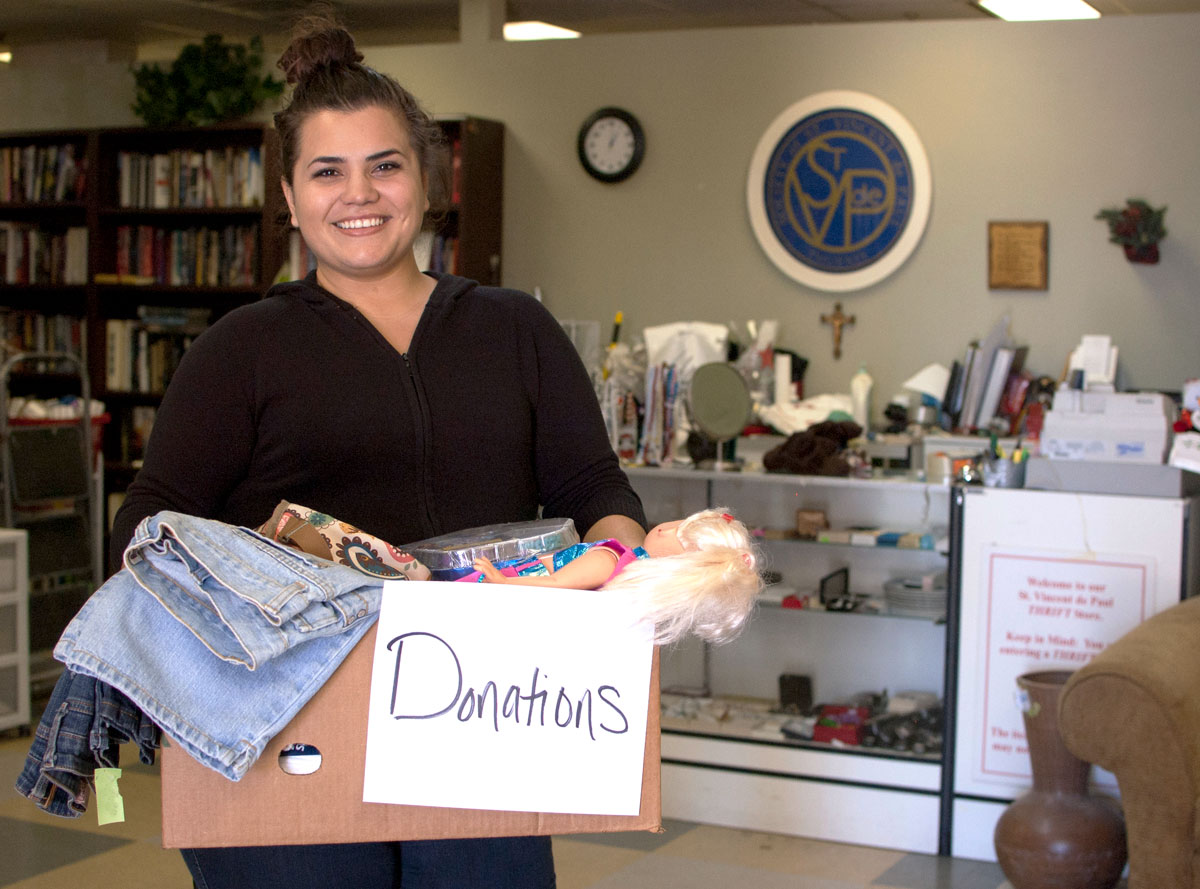
Donations don’t have to be monetary. Next time you get in the spring cleaning mood, box up your used items and drop them off at a local thrift store in Santa Rosa Beach, FL. Most resale shops are run by unpaid volunteers and the profits go to a charitable organization. Your unwanted items might help fund dinner at a soup kitchen, tutoring for school children, or college classes for a single parent. Not sure what to give?

1. Clothing

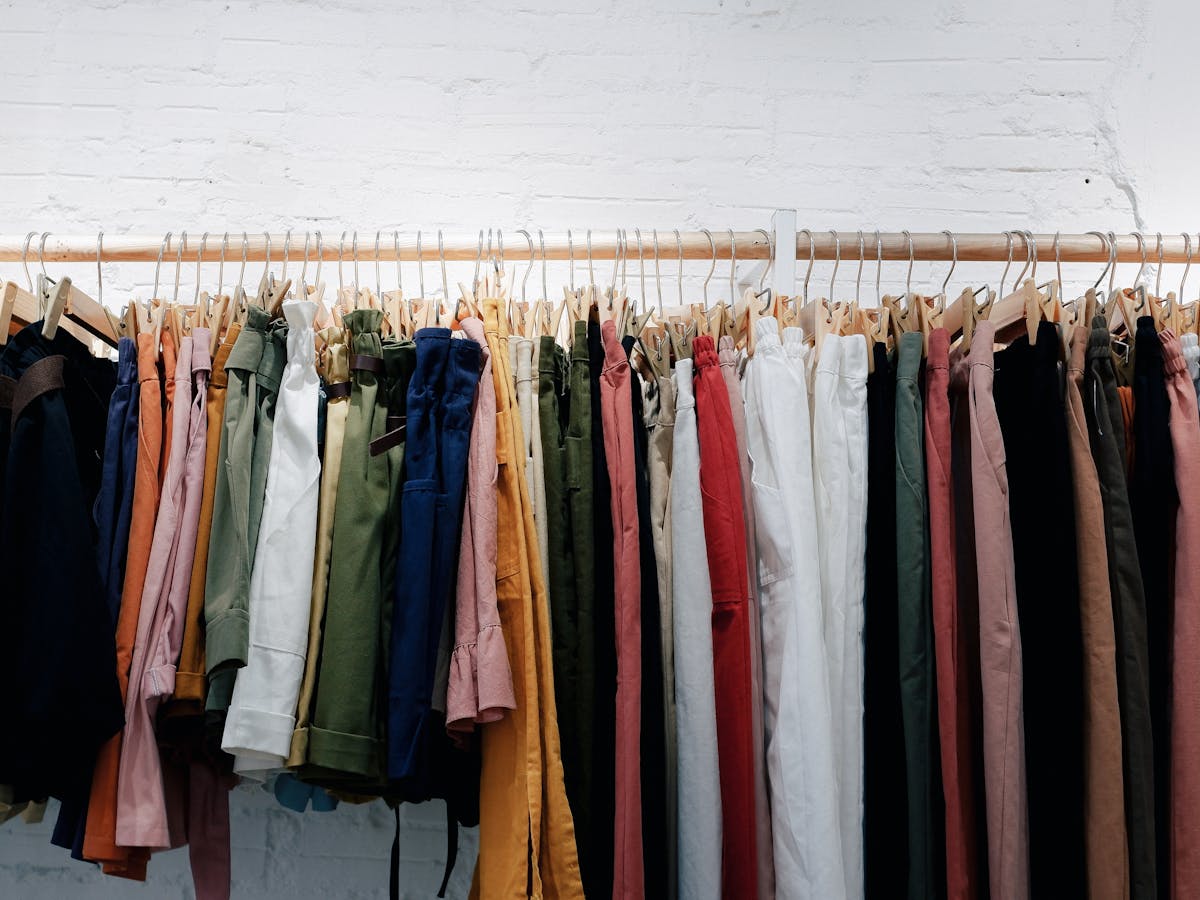
Skip the well-worn children’s play shirts and box up clothing that still has several wears left. Holiday outfits, snow boots, winter coats, swimsuits, and prom dresses make excellent donations. These specialized pieces of clothing are often unaffordable to a family on a strict budget, making them perfect items for a thrift store.

2. Furniture

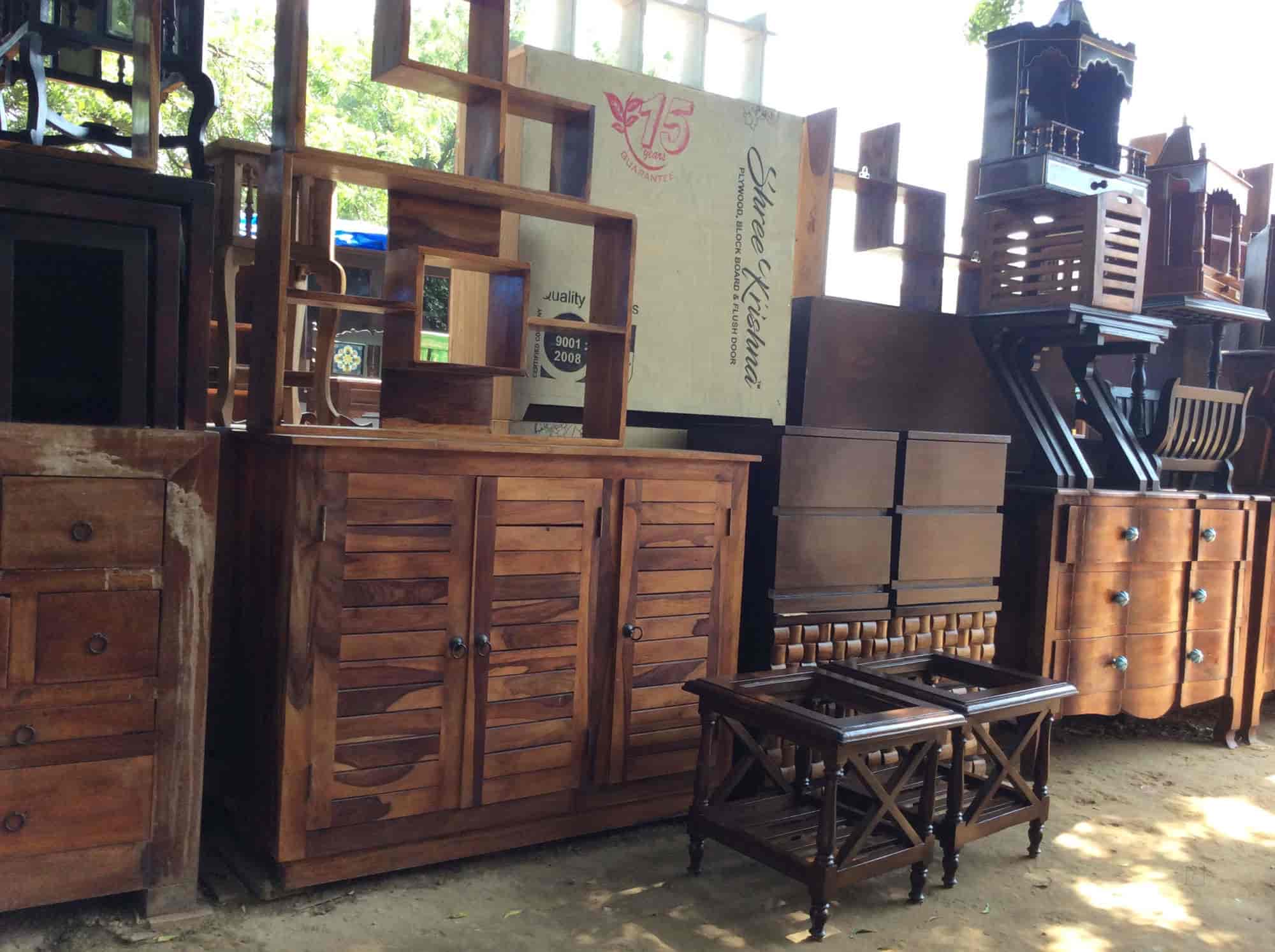
Thrift stores love to receive basic, everyday furniture items. Donations of tables, chairs, couches, loveseats, beds frames, clean mattresses, and coffee tables help people set up a new home affordably. Make sure the furniture is sturdy and clean. Nobody wants to buy a couch with odors or a table that wobbles.

3. Household Appliances

Look around your kitchen and thin out any duplicates. If you received a new blender for your birthday, send the old one to the thrift store. When taking appliances to a thrift store, make sure they are in good working order and have all the parts, including safety features. Appliances in high demand are washing machines, clothing dryers, dishwashers, toasters, coffee makers, vacuums, televisions, and hot plates.

4. Baby Supplies

Newborns seem to grow out of clothing in a matter of weeks, while toddlers dismiss toys after a few uses. Send these essentials on so another parent can put them to good use. All baby supplies should be sanitized or in their original packaging before dropping them off at the store. If you donate a crib or car seat, check the national recalled items registry online to make sure the product is safe.

Categories
thrift shop Thrift Stores

How to recycle more

https://cff2.earth.com/uploads/2019/05/19152050/People-recycle-more-when-they-know-it-will-help-make-new-products.jpg
How to recycle more

What about clothes, furniture, books and unwanted gifts? Selling them is an option but wouldn’t it be great if there was a new home for the things we no longer want, passing them on to someone who could make use of them, and help to reduce the amount of rubbish that ends up in landfill? Ask friends and family if they’re in need of particular items. It’s the easiest way to start.

  • Rescue – could a torn cushion be sewed or a zip replaced in that skirt? Do it yourself, ask a friend to help, or find a professional who can do it for you.
  • Repurpose – could that scratched coffee table find a new home in the garden with a lick of paint? Would a crafting friend welcome that old counterpane for her patchwork project? Use your imagination and ask yourself if your stuff could find a new life.
  • Check out the inspiring ideas from websites. 
  • If all else fails, find your nearest recycling centre through the Recycling Locator or your local council website.
  • Some centres also sell good quality items, or goods such as compost made from garden and food waste – so your unwanted television could be heading for a new home after all.
  • Look for recycling banks in supermarket and local car parks. This is the best option for clothes and shoes which are beyond wear – the fibres can still be recycled.
  • Take them to thrift stores in Lebanon, TN for donation. It is a non profit organization and will accept your items if found suitable.
Categories
thrift shop Thrift Stores

People want to be more sustainable

https://27mi124bz6zg1hqy6n192jkb-wpengine.netdna-ssl.com/wp-content/uploads/2020/06/How-to-Improve-Sustainability-in-Schools.jpg
People want to be more sustainable

At the start of every new year, many of us will compile a list of goals for the months to come, as well as old habits we plan to ditch. While they usually tap into topics such as health and fitness, a new study has found people are putting eco resolutions at the top of their list for 2020.

Research conducted by has discovered that over 41% of people in US have already added a sustainable resolution to their goals list for the upcoming year, as they want to do all they can to live a greener lifestyle.

Using less plastic came out on top, with 22% of people in US saying this was something they wanted to do more of next year. A further 18% explained that their goal is to recycle more, while 12% want to eat less meat.

Elsewhere, the study found that more people want to shop ethically, as one in 10 people said they would try to purchase items from a thrift shop in Lebanon, TN instead of buying new.

Across the UK, London and the East Midlands were most likely to make sustainable goals, while residents in cities such as Brighton and Edinburgh were also found to prioritise eco resolutions.

Top 5 sustainable resolutions for 2020

  1. Use less plastic
  2. Recycle more
  3. Be more sustainable
  4. Eat less meat
  5. Buy second-hand items
Categories
thrift shop Thrift Stores

The Fashion Lover’s Guide to Thrift Shopping

https://i.pinimg.com/originals/2d/bb/46/2dbb4668d3c6f65f10c3593c0b98dc89.jpg
The Fashion Lover’s Guide to Thrift Shopping

We all know the environmental benefits of buying used clothes, and it’s no secret that thrift stores are a whole lot cheaper than retail. But to some, the endless racks of yawn-worthy garments at your average Salvation Army can be a little intimidating. Rest assured, there are techniques for tackling those racks. As a lifelong thrift-shopping enthusiast, I wanted to share some of my tips for efficient, fun and successful thrifting trips.

1. Do Your Research

Some thrift stores focus more on household items than clothes. Others have scanty collections of nearly everything. Consult friends or the good ole’ internet to find out which stores in your area have the best clothing selections. As in so many cases, Yelp can help you discover wonders.

2. Alterations Are Everything

From chopping high-waisted pants into cut-off shorts to taking the sleeves off of dresses, using a little craftiness to alter thrift-store finds opens up worlds. Taking in waists, bringing up hems and other simple alterations used to be common place, and these simple sewing staples are pretty easy to learn. One of my favorite ways to transform thrifted pieces? Turning baggy bootcuts into skinny boyfriend jeans by taking out the flare (see my tutorial here).

3. Look at Labels

I’m not saying to hold out for Burberry and Alexander Wang. I’m saying to look for brands known for their durability. Think L.L. Bean, Ralph Lauren and Calvin Klein over Forever XI, Old Navy and Cherokee. Another thing to check out on labels: materials. You’re likely to find wool and cashmere sweaters mixed in with polyester pieces, so check for natural fibers.

4. Keep an Eye Out For items That May Not Be In Your Size

There are certain things people never really stop wearing. These include turtlenecks, belts, shirt dresses, costume jeans, oversized sweaters and flannel button ups. If you’re open to a little alteration, look for jeans, dresses and skirts that can be shortened or taken in.

5. Don’t Walk Away With Too Much

With such cheap prices, it’s so easy to start throwing anything remotely cute into your cart. Which is more or less fine – it’s important to be open-minded to items at thrift stores in Lebanon, TN But be sure to sort carefully through your finds after hitting the dressing room. Buying five sweaters just because they’re only 3.99 will leave you with the same kind of overstuffed wardrobe as a fast fashion binge.

Categories
thrift shop Thrift Stores

Top 5 Benefits of Charitable Giving and Donations

https://blog.vancity.com/wp-content/uploads/2016/12/GiveHands-iStock-Blog-1280x620-1280x620.jpg
Top 5 Benefits of Charitable Giving and Donations

The fact that charitable giving can help reduce your tax burden is well known, especially if you’re in a high bracket. But the benefits of giving extend far beyond tax breaks.

Of course, giving can be a challenge – especially when money is tight. After all, your income could just as easily go toward a college savings fund for your kids, a much-needed vacation, or even a new pair of shoes.

But whether you’re interested in the tax benefits or have altruistic motives – or a little of both – you can end up getting back a lot more than you give when you donate valuable items, cold hard cash, or even your time to your favorite causes. In fact, the emotional, social, psychological, and financial benefits of charitable giving often outweigh the satisfaction of splurging on yourself or your family.

The Benefits of Giving Things Away

1. Activate the Reward Center in Your Brain

A study by a University of Oregon professor and his colleagues demonstrates that charitable contributions create a response in the brain that mimics one activated by drugs and other stimuli. This response elicits a surge of dopamine and endorphins that are experienced as “hedonic” and rewarding. Charitable giving can feel pleasurable in the deepest parts of your physiology – more so than a night on the town or a new outfit.

2. Improve Life Satisfaction

A German study provides ample evidence that people who give more to others – in both time and resources – experience greater satisfaction in life than people who do not. In fact, communities of people with high levels of giving tend to demonstrate greater satisfaction within the community than groups of people who do not give generously. Essentially, you’re going to be happier in your community if it’s made up of folks who give to one another.

3. Feel Happier

While life satisfaction is one thing, general happiness is another. In a study by professors at the University of Missouri – Columbia and the University of California – Riverside, people who gave to others tend to score much higher on feelings of joy and contentment than individuals who did not give to others.

4. Protect Your Local Community

National safety net programs, such as Food Stamps and disability benefits, can be of great benefit to Americans, but giving to community organizations can provide important local safety nets that guarantee vital assistance during crises and emergencies as well. Community organizations tend to respond faster and more appropriately to the needs of local communities than larger organizations do, and these agencies obtain most of their funding from private donations. Local giving, therefore, provides support for the programs that enhance community well-being.

5. Improve Key Measurements of Your Health

People who volunteer score better on key measurements in overall health, such as resilience during physical activity and blood pressure levels, than people who do not. An article in Consumer Reports indicates that older adults who volunteer their time have improved cognitive function, increased walking speed, increased ability to climb stairs, and decreased rates of television watching than people who do not volunteer. All of these indicators are linked to better health in elderly individuals.

Final Word

Interestingly, research has indicated that the people who spend the most time thinking about charitable giving are actually the least likely to give. Unlike impulsive spending, impulsively giving can bring wonderful benefits to your mind, body, and community.

If you’re nervous about starting with cash donations, get your feet wet by giving away some items to a thrift store in Lebanon, TN that you don’t want anymore, such as toys, clothes, or furniture. Then, when you’re in a position to give financially, take that step – you’re not only benefiting the well-being of those you give to, you’re benefiting your own as well.

Categories
thrift shop Thrift Stores

Benefits of Buying Things Second Hand

https://images.theconversation.com/files/293774/original/file-20190924-54793-157i3zo.jpg?ixlib=rb-1.1.0&q=45&auto=format&w=1200&h=900.0&fit=crop
Benefits of Buying Things Second Hand

Many people don’t ever consider buying second hand when they are in need of something. Most of us are stuck in our routines of going to the same high street shops and never looking elsewhere. Part of the charm of second-hand items is their history; vintage clothes have become more popular in the past few years. But there are so many benefits to shopping second hand from thrift shops in Panama City Beach, FL, which you might not have considered before.

Saving Money

The most obvious benefit of shopping for second-hand items is the reduced cost. Many people don’t realize the number of things available to buy second hand- from clothes to furniture- you can get pretty much anything you need. Buying a Whill mobility scooter is a great option to make accessibility more affordable.

A lot of second-hand items, particularly in the case of furniture, tend to be higher quality. Would you rather buy a cheap IKEA flat pack table or a solid wood one for the same price? Second-hand shopping can help you kit out your whole house on a budget. On occasion, you might also find designer items in second-hand shops. It means you get incredible quality for a small percentage of the cost. Regularly shopping for second-hand items, instead of heading to the high street, will make your money go further.

Helping the Environment

It is shocking to think about how something simple like buying a new dress requires manufacturing, transport, and packing, before eventually ending up in a landfill site. All of this damages the environment needlessly when there are perfectly good dresses waiting to be discovered in second hand or charity shops!

When you consider the amount we consume on a day-to-day basis, and how much we throw away, it is hardly surprising the environment is suffering. Buying second-hand products, which would otherwise be thrown away despite being in good condition, prevents excess waste. So, second-hand shopping is helping you to do your bit for the environment.

The Excitement

We all love finding a good bargain. Taking the time to explore a second-hand shop is not dissimilar to a treasure hunt. You might not always find what you are looking for, but often it is the unexpected purchases that stay with us the longest and make us the most excited. Part of the thrill of second-hand shopping is that you will find a unique vintage item to spark your imagination.

Most of us are led by the latest fashion trends when shopping for new clothes. You won’t find the same items cropping up again and again in charity shops, which means you have far more choice in your purchases than you would in chain stores.

Supporting Local Businesses

Many high streets have been overrun with popular chain stores, forcing smaller businesses to close down. It has taken a large amount of the personality and individuality away from towns and cities. It feels almost as if you could go to any city in the country and find the same town center.

Shopping in second-hand stores means you are contributing directly to your community- helping to keep local businesses running or supporting local charities. You’ll find that these stores are less busy than others, so you’ll have plenty of time to browse at your leisure, and you’ll receive much more personal customer service.

Clear Conscience

Not only does buying second enable you to help the environment, reducing the demand for clothing means that you are contributing to reducing labor in less developed countries. The clothing industry is, unfortunately, one of the most unethical industries in the world. Clothing companies take advantage of workers who are willing to work in overcrowded environments for a minimum wage.

Producing clothes requires work with chemicals such as dyes and fabric glue, which can be very harmful to both the environment and the people working with them. By shopping second hand, you aren’t contributing any money to the clothing industry. The impact of your actions might seem insignificant, but imagine if everyone started to shop like this. The clothing industry would be under huge pressure to improve working conditions.

Second-hand shopping is the perfect way to find everything you need, for a fraction of the price you’d find on the high street. The benefits span from helping your local community to thrive, to being able to diversify your wardrobe and stand out from the crowd.

Second-hand shops and charity shops also tend to have fewer customers, which means you’ll get much better customer service than you’d find on the high street. There is nothing more enjoyable than finding a great deal, so head to your nearest charity shop today and see what you can pick up.

Categories
thrift shop Thrift Stores

Benefits of Buying Second Hand Furniture

https://www.moneycrashers.com/wp-content/uploads/2011/03/should-always-buy-used-secondhand.jpg
Benefits of Buying Second Hand Furniture

1. Lower Prices

The most popular reason to buy something used is to SAVE some money, and furniture is a great item that can often keep more money in your pocket if you can buy used. Especially on items that take little wear and tear such as accent tables, bookcases, display cabinets, etc. You can often get a piece of furniture at a fraction of the cost of what you would spend new, and you may never notice the difference.

2. Character & Craftmanship

How does the old saying go? “They don’t make them like they used to!”. This can be especially true in furniture, where it was very common years ago to use materials such as solid woods, hand tied springs, hand carving, and other features in furniture. This type of craftmanship is becoming a lost art today, as the marketplace has been driven by low cost goods in the mass market.

3. Uniqueness

With the growth of the Big Box Retailer in todays culture there is less choice than we used to have, many people want to have something unique in their home that maybe their neighbor or friend does not have.

4. Recycle

What a better reason to buy something new than to help keep down the use of natural materials used by unnecessary consumption? Rather than letting something go to waste, when you buy or donate used furniture someone else may be able to reuse or repurpose your furniture. This helps keep natural resources in the natural use of their life cycle and reduce landfill waste.

5. Repurpose & Make it your Own

One of the most popular trends in design today is to “Repurpose” furniture and other materials to be used in decor. Through the internet we now are able to get just about any idea of how to refinish, repaint, repair, or even remake just about anything. Maybe you have been looking everywhere for that pink dresser for your daughters room, but can’t seem to find it anywhere.

With the low cost of used furniture, your problems may be solved with just a little sweat and a gallon of paint, and on top of it all when someone asks, “Where did you get that great piece of furniture?” you can say you got it from a thrift store in Panama City Beach, FL

Categories
thrift shop Thrift Stores

Why People Love Second-Hand Furniture

https://content1.jdmagicbox.com/comp/gurgaon/c6/011pxx11.xx11.151006111917.q1c6/catalogue/shivani-furniture-sikanderpur-ghosi-gurgaon-second-hand-furniture-buyers-8t35u1.jpg
Why People Love Second-Hand Furniture

There’s really something to be said for buying furniture second-hand. Here’s why you should consider go the thrifty route when you need something, rather than hitting up a new furniture store.

1. It can be high quality stuff.

Because a piece of furniture is second-hand, it has already survived the test of time. Really good furniture should last for decades, even a century or more. If the frame is solid, it may only need some basic restoration to look amazing. And all of that comes (usually) at a fraction of the price you’d pay for new.

2. It saves resources and reduces waste.

The furniture industry is an enormously wasteful one. From textiles and woods to plastics and resins, it takes a lot to create the items in your home, especially if they’re built to last only a few years before breaking or looking out of date. Buying second-hand reduces demand for new resources, and it comes without packaging.

3. You won’t be so attached.

Miles describes this as ‘guilty attachment,’ and I suspect we can all relate to the feeling. When you’ve spent too much money on something, you feel you cannot let it go. She writes: “It is tempting to keep things we don’t really like, need or use, simply because we paid more than we should have in the first place, and won’t be able to recoup that. When you buy things second-hand, you’re much more likely to pay a fair price – and if you change your mind, be able to sell it on at a similar price.”

4. It is more community-oriented.

Some people might protest that buying second-hand disadvantages local business owners, but I think that buying second-hand is simply another way to support a local economy. The folks selling their stuff online are ordinary individuals hoping to make some money or declutter their homes.

Many second-hand stores are privately owned or run by charitable organizations that give back to the community just like thrift stores in Panama City Beach, FL. Any refinishing or reupholstering work that needs to be done will likely be done by a local craftsperson.

5. It creates stories.

Second-hand furniture has more personality than new, whether it’s the story of how you got it or the seller’s account of that piece’s history. For example, when my husband and I purchased our home, it came with a heavy old wooden bookshelf that the seller told us was bought in Pakistan by a diplomat brother in the 1960s and shipped overseas to Canada — not a story I could buy anywhere.

6. It is healthier.

Second-hand furniture doesn’t off-gas and fill your home with noxious fumes. Cheap new furniture is often made of particle board, which is held together by formaldehyde, a recognized carcinogen that causes eye and nose irritation.

As Lloyd wrote on TreeHugger a few years back: “The best way to avoid formaldehyde is to buy used, whether it is an older home where it has had the time to off-gas, or furniture that has stood the test of time. Or, buy solid wood furniture instead of particle board.”Furnishing your home with second-hand pieces will certainly take more time than if you made a single shopping trip to a big box store, but your home will end up having more character, warmth, and interest — and you’ll have more money in your bank account, which is always a good thing.

Categories
thrift shop Thrift Stores

Benefits of Buying Secondhand Clothing

https://www.thisislocallondon.co.uk/resources/images/10550002/
Benefits of Buying Secondhand Clothing

Years ago, buying secondhand clothing was nothing to be proud of. If someone bought used clothing, most would assume they simply could not afford new clothes. In recent years, however, buying secondhand has become a popular trend in fashion.

Websites that allow users to purchase and sell used clothing have popped up all over the internet. The popularity of thrift stores in Panama City Beach, FL has created an enormous opportunity for fashion shoppers to have a positive impact on themselves, the planet, and society at large.

The 4 Main Advantages of Buying Your Clothes Secondhand:

1. Reduces Your Environmental Impact

Buying secondhand means you are reusing a piece of clothing that has been worn previously by someone else. Secondhand pieces are often in good enough shape for continued wear but end up landing in some dumpster instead of being donated or resold

A shirt that no longer fits someone else might be a perfect fit for you. Many pieces of clothing, especially those of good quality, can survive for decades if they are treated well. Unfortunately, many of us tend to throw away clothes after a year or two of wearing them because they have become unfashionable or don’t fit us anymore. Discarded clothes take up valuable space in landfills that should only be occupied by materials that are not reusable or recyclable.

Additionally, Manufacturing and dyeing clothes requires the use of potentially dangerous chemicals. These chemicals pose a threat not only to the water, the air, and the earth but also to the people working with them. By buying used clothing, we can reduce our environmental impact in several ways.

How Does Buying Used Help the Environment?

  • Buying secondhand clothing helps lower the overall demand for new clothing to be produced.
  • Choosing to wear used clothing means you are helping to recycle useful items that might otherwise end up discarded in landfills.

2. Doesn’t Promote Exploitative Work Conditions

Many of your clothes are likely manufactured in impoverished regions where workers produce clothing for more than 12 hours a day for a meager wage. Meanwhile, we in more industrialized countries are worried about which new coat and matching shoes we should buy to look good this season. It is a disgusting paradox.

Buying secondhand clothing will not have an immediate impact on poor working conditions in foreign manufacturing plants, but it may help send the message that the fashion and retail industries need to rethink their strategy. Consumers have spending power, and in turn, help determine how the industry works. If we change our habits, manufacturers and retailers may eventually change theirs, too. Let’s work to lower the demand for new clothing from regions with exploitative work conditions

3. Saves You Hundreds of Dollars

One great side effect of buying used clothing is the substantial amount of money you can save. You can get clothing from top-notch brands at bargain prices simply because they were worn a couple of times and no longer appeal to their owner. If you are a victim of expensive fashion trends, buying used will allow you to purchase far more clothing while spending less than you did when you shopped new.

Some secondhand clothing retailers are pricier than others, but if you’re not picky about brand names, thrift stores, yard sales, and free piles tend to offer the best value. Some sites even offer monthly subscription boxes of deeply discounted, gently used brand-name clothing

4. Your Vintage Style Looks More Authentic

Another advantage of shopping for secondhand clothing is that you will find one-of-a-kind pieces that no one else has. By virtue of shopping only for used and vintage items, you’ll look unique without having to put much effort into it.

We all know that fashion repeats itself. New versions of styles that were once considered old-fashioned suddenly reappear in stores all the time. So instead of buying the same “vintage-style” pair of ballet pumps as all your girlfriends, go check out a secondhand shop and find a one-of-a-kind pair so your look has a more authentic feel

Categories
thrift shop Thrift Stores

Never Buy These 8 Things at a Thrift Store

https://www.moneycrashers.com/wp-content/uploads/2015/02/thrift-store-clothing-finds.jpg
Never Buy These 8 Things at a Thrift Store

One of the best ways to make the most of your money is to head to a thrift store in Destin, FL and see what’s available.

But just because something is cheap, that doesn’t mean it’s a good idea to buy it. There are some things you should avoid at thrift stores.

I asked a few consumer advocates and frugal experts to weigh in on when it’s worth it to pay a little more. They consider the following items among those you should avoid buying from secondhand stores.

1. Vintage painted items

“I shop at thrift stores for probably 50% of my stuff, so I’ve learned many tricks of the trade,” says Dustyn Ferguson, a blogger at frugal website Dime Will Tell.

He points out that old painted items — such as vintage dishware — can contain lead and contaminate whatever you’re eating.

“If you do buy, always test for lead,” Ferguson recommends.

2. Mattresses

This is the ultimate thrift store no-no. Just about every expert says buying a mattress at a thrift store is a terrible idea.

Indeed, we cite mattresses in both “10 Things No One Should Ever Buy Used” and “It’s Worth Paying Extra for These 7 Items.”

“Mattresses can be contaminated with dirt, skin cells and who knows what else,” says Ferguson. “Think of it like a sponge: Over time, it’s so contaminated you need a new one.”

And, of course, you don’t want to risk bringing bedbugs, lice or other hard-to-get-rid-of pests into your home.

3. Shoes

This is another purchase that earned a spot in “10 Things No One Should Ever Buy Used.” The article explains:

“If you’re interested in having comfy feet and minimizing back pain, you might want to skip past the used shoe section at the thrift store. Shoes often come to conform to their first owner’s feet, which can make them uncomfortable for you.”

4. Electronics

J.R. Duren, senior editor at consumer review website HighYa, says it’s best to avoid thrift-store electronics when possible.

Cords could be frayed or internal wiring might be degraded, leading to safety problems when you plug it in.

“Just because a monitor powers on doesn’t mean it’s devoid of issues,” Duren says. “There could be glitches that you don’t see with a 30-second test, but that would annoy you if you took the monitor home and used it for work every day.”

5. Small appliances

You can’t be sure that small kitchen appliances will actually work as expected when you buy them at a thrift store, says Steven Millstein, an editor at CreditRepairExpert.

He points out that items like blenders and kitchen appliances, which you can’t adequately field test, are likely to be outside their warranty. And you could spend the money with no recourse if things don’t work out.

6. Vacuums

“Vacuum cleaners are not built to last long,” says Millstein, citing a Consumer Reports article putting the median lifespan at about eight years.

As with kitchen appliances, you don’t actually know how the status of the warranty or the history of the item.

“Buying a vacuum cleaner from the thrift store is a big gamble,” Millstein says.

7. Underwear

Jennifer Hayes, founder of the website Smarty Pants Finance, doesn’t like the idea of someone else’s intimates becoming, well, intimate with her own body. You can’t always get underwear completely clean.

“Undies can be had for fairly cheap, so it’s worth it to go new on those items,” Hayes says.

8. Bedding

You can’t always completely sanitize bedding, either, Hayes notes.

If you’re concerned about what used bedding could be harboring, she suggests looking for new sets of bedding. You can find them at big-box stores like Walmart and online retailers like Amazon for as little as $20.

Design a site like this with WordPress.com
Get started