Three Tips For Fall and Winter Thrifting During COVID-19 & Beyond
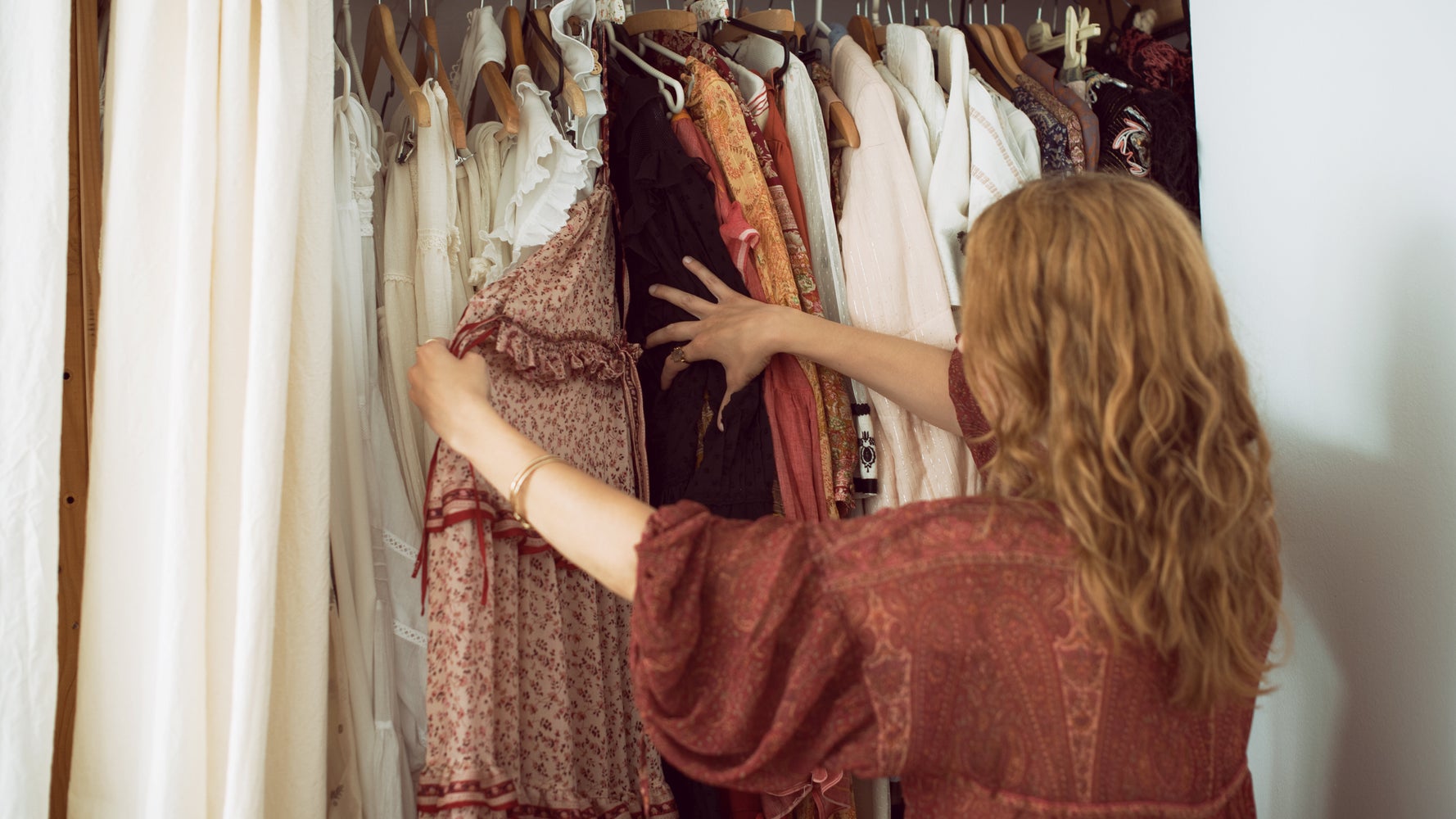
As we transition into the chillier months of the fall and winter seasons, it’s a great time to get creative with our thrifting. Check out these three fantastic ways you can keep your fashion fresh during the colder months, especially as we continue to persevere through the pandemic.
1. Find Items That Tell a Story
From embroidery to fabric, the clothes that you buy can tell an interesting story. Often when we shop during the fall and winter months, we look for the warmest items. While you’re warming up, however, you can still find things that tell a story and spark a conversation. As you thrift, take a step back and look for pieces that are both interesting and enjoyable. The meaning of the clothing you wear and what it means to you can make any outfit warmer.
2. Find Items That Pop
Next, look for pops of color for your cold-weather wardrobe. The uniform of the fall and winter is often muted and reserved. But if the clothing you choose has a pop of color, it can make your outfit feel warmer, more tied together, and more unique. Pops of color, if effectively thought out, can transform an entire outfit and give it a new life.
3. Find Items with Shape
Finally, playing with shape can enhance the outfits you thrift this season. Shapes such as circles, lines, polka dots, squares, and geometric patterns can transform any outfit. Especially when paired with heels and boots, shapes can make outfits feel more streamlined and thought out.
So what are you waiting for? Check out what’s new at your local thrift store in Panama City Beach, FL and experiment with the story, color and shapes in your wardrobe.
One of the best ways to make the most of your money is to head to a thrift store in Destin, FL and see what’s available.
But just because something is cheap, that doesn’t mean it’s a good idea to buy it. There are some things you should avoid at thrift stores.
I asked a few consumer advocates and frugal experts to weigh in on when it’s worth it to pay a little more. They consider the following items among those you should avoid buying from secondhand stores.
1. Vintage painted items
“I shop at thrift stores for probably 50% of my stuff, so I’ve learned many tricks of the trade,” says Dustyn Ferguson, a blogger at frugal website Dime Will Tell.
He points out that old painted items — such as vintage dishware — can contain lead and contaminate whatever you’re eating.
“If you do buy, always test for lead,” Ferguson recommends.
2. Mattresses
This is the ultimate thrift store no-no. Just about every expert says buying a mattress at a thrift store is a terrible idea.
Indeed, we cite mattresses in both “10 Things No One Should Ever Buy Used” and “It’s Worth Paying Extra for These 7 Items.”
“Mattresses can be contaminated with dirt, skin cells and who knows what else,” says Ferguson. “Think of it like a sponge: Over time, it’s so contaminated you need a new one.”
And, of course, you don’t want to risk bringing bedbugs, lice or other hard-to-get-rid-of pests into your home.
3. Shoes
This is another purchase that earned a spot in “10 Things No One Should Ever Buy Used.” The article explains:
“If you’re interested in having comfy feet and minimizing back pain, you might want to skip past the used shoe section at the thrift store. Shoes often come to conform to their first owner’s feet, which can make them uncomfortable for you.”
4. Electronics
J.R. Duren, senior editor at consumer review website HighYa, says it’s best to avoid thrift-store electronics when possible.
Cords could be frayed or internal wiring might be degraded, leading to safety problems when you plug it in.
“Just because a monitor powers on doesn’t mean it’s devoid of issues,” Duren says. “There could be glitches that you don’t see with a 30-second test, but that would annoy you if you took the monitor home and used it for work every day.”
5. Small appliances
You can’t be sure that small kitchen appliances will actually work as expected when you buy them at a thrift store, says Steven Millstein, an editor at CreditRepairExpert.
He points out that items like blenders and kitchen appliances, which you can’t adequately field test, are likely to be outside their warranty. And you could spend the money with no recourse if things don’t work out.
6. Vacuums
“Vacuum cleaners are not built to last long,” says Millstein, citing a Consumer Reports article putting the median lifespan at about eight years.
As with kitchen appliances, you don’t actually know how the status of the warranty or the history of the item.
“Buying a vacuum cleaner from the thrift store is a big gamble,” Millstein says.
7. Underwear
Jennifer Hayes, founder of the website Smarty Pants Finance, doesn’t like the idea of someone else’s intimates becoming, well, intimate with her own body. You can’t always get underwear completely clean.
“Undies can be had for fairly cheap, so it’s worth it to go new on those items,” Hayes says.
8. Bedding
You can’t always completely sanitize bedding, either, Hayes notes.
If you’re concerned about what used bedding could be harboring, she suggests looking for new sets of bedding. You can find them at big-box stores like Walmart and online retailers like Amazon for as little as $20.
Going thrift shopping at a nonprofit thrift store in Panama City Beach, FL is a wonderful way to find unique items at more affordable prices. Thrift stores are often filled with “hidden gems” that are hard to find anywhere else. Here are examples of great items you can often find at thrift stores.
Collectible dishware
You can sometimes find collectible dishware such as mugs, cups, plates, or even vintage Pyrex glassware on thrift store shelves. Start searching your local thrift store to start building a collection of mix-and-match dishware to brighten up your kitchen.
Canning jars
Vintage and antique canning jars are another great thrift store find. These jars come in a wide variety of sizes and colors and can be easily repurposed for storage, drinkware, or decoration. For a simple DIY project, paint the inside of a canning jar and use it as a charming country-style flower vase.
Books
Are you an avid reader? You can often find your next read at a more affordable price by shopping at a thrift store! Vintage books also make great home decor for your coffee table, bookshelf, or china cabinet.
Decorative frames
Store-bought frames can be fairly expensive, but many thrift stores are filled with beautiful frames at more budget-friendly prices. You can easily give older frames a refresh by painting them with spray paint and create a home gallery for your photographs or artwork.
Stylish accessories
If you’re on the hunt for one-of-a-kind fashion accessories, look no further than your nearest thrift store! Be on the lookout for pins, sunglasses, hats, jewelry, belts, and shoes to complement your style.
The best part of thrift shopping is the thrill of the hunt!
Remember, when you shop at a thrift store, you help people in your community go to work!
Smart shoppers know that thrift stores are places to discover fashionable finds for a fraction of retail store prices. Not only can you score great deals on gently used (and sometimes new!) clothing, shoes, and accessories when you go thrift shopping, but you’re also helping the environment by choosing to purchase second-hand items.
If you’re on the hunt for affordable men’s apparel for yourself or the mister in your life, reach out to a thrift store in Panama City Beach, FL. Follow this guide to start thrift shopping for menswear like a pro:
“Suit up” for less
A good suit is a classic and versatile addition to any wardrobe. They’re great for special occasions and professional settings, such as job interviews. However, finding a brand-new suit can be an expensive endeavor. If you’re looking to save money on a quality suit, try shopping at a thrift store. There, you can find gently used suits for far less than retail store prices. Even if you find a suit that is slightly too large, you can always have it tailored to fit properly!
Stock up on basics
Whether you’re starting from scratch to rebuild your wardrobe or just looking for some basics to add to your closet, you can’t go wrong with essential menswear pieces such as jeans, t-shirts, dress shirts and jackets. These tried-and-true basics make up the foundation of any great outfit, for any season.
Find one-of-a-kind styles
One of the best parts about shopping at a thrift store is the opportunity to discover unique and vintage clothing. Vintage menswear is particularly appealing because many of the styles are timeless and can be worn over and over again. Look for stylish vintage pieces like wool blazers, tweed jackets and pants, and cozy sweaters to add to your wardrobe.
Save on shoes
Men’s shoes, especially dress shoes, are another expensive item. Don’t be afraid to search your local thrift store for gently used shoes. With a little shoe polish, you can often bring leather dress shoes back to “like-new” condition!
Don’t forget the accessories!
Accessories are a great way to express your style and bring more interest to an otherwise plain outfit. From neckties and bowties to watches, cufflinks, belts, and even hats, there’s no shortage of men’s accessories to find when you go thrift shopping.
Follow These Tips for a Successful End of Summer Cleanout
As we bid a fond farewell to the carefree days of summer, it’s time to prepare for the chilly fall days ahead. Even if you’ve already “spring cleaned” your home this year, the transition from summer to fall is another perfect opportunity to get your home organized and clutter-free before the busy holiday season.
Follow our top tips to give your home a successful end of summer cleanout:
Swap out summer clothes
Once the temperatures begin to drop, you’ll need to sort through your summer clothes to make room for your winter wardrobe. Instead of packing all your summer clothes away in a storage bin until next year, take the time to go through each item one by one and decide what you really want to keep. Consider donating any unused or unwanted clothing and accessories to the thrift shops in Destin, FL, where they’ll be resold.
Take stock of seasonal décor
As summer fades to fall, now is a great time to switch up your home’s interior décor! Take stock of your current decorations such as wreaths, tablecloths, candles, and flower arrangements. Are there decorations that you don’t plan to use in the upcoming season?
Scrub and store outdoor furniture
Before you put your outdoor patio furniture away for the fall season, be sure to give each piece a gentle scrubbing with an all-purpose cleaner to remove dirt. Examine cushions for any rips or tears and make a note to replace them if they are beyond repair. To prevent rust, store furniture in your garage or shed. If you can’t bring the furniture indoors, invest in a water-resistant cover.
Un-junk the “junk” drawers
Nearly every family has a “junk” drawer where they store everyday items that don’t seem to have a permanent home: pens, pencils, scissors, notepads, spare keys, loose change, receipts, old bills and cards…the list goes on! If your junk drawer is constantly overflowing, it’s time to purge! Start by removing everything from the drawer—and we mean everything! Separate trash from treasures and create a system of organization. For example, pens and pencils can be stored in the drawer in a plastic baggie or held together with a rubber band. Spare change can go in a special designated change jar. When you give every item a “home,” you can find them more easily and avoid rifling through a cluttered drawer.
Declutter the garage
Your garage is a source of valuable storage space, but it can also be a catch-all for clutter. It’s well worth it to dedicate a few hours on a weekend to organize and clean your garage. Start by removing everything from your garage and sorting through the items one by one. Divide them into three piles: Keep, Donate, and Toss. Remember, only throw away items that cannot be repurposed or recycled.
When you do this, you might be surprised to see how many items you don’t need or rarely use. Don’t let these unused items take up precious storage space in your garage any longer—donate them!
How to Teach Your Kids the Value of Thrift Shopping
The excitement of a treasure hunt. The variety to choose from. The thrill of discovery and the joy of spending a fraction of your budget…
What do these things all have in common? Thrift shopping, of course! You can teach your kids important life lessons while thrift shopping, like getting the most for their money. But what other values can they pick up while shopping at a local thrift store in Panama City Beach, FL?
The value of creativity
Thrift shopping sparks the inspiration to stretch creative thinking. Walking through the store, you kids may see a bunch of items placed on shelves. But can they reimagine them in a new way? For example, they can repaint a wooden trunk and turn it into a spot for their books. Colorfully printed shirts will look trendy converted to homemade pillowcases on their bed!
The value of helping others
By choosing to shop at thrift stores, you teach your kids the value of giving back and helping others. Explain to your kids that shopping at and donating is a way to help people get jobs and take care of their families.
The value of individuality
Trends come and go, but a person’s uniqueness never goes out of style. It doesn’t cost much for your children to create their own look when they’re thrift shopping. Encourage them to try new styles and express their individuality with their clothing. They’re not likely to see that look on anyone else. And if they decide to change it up, they can donate those items right back!
The value of controlling their own money
What better way to teach your kids the importance of saving and managing money than by thrift shopping? When your kids pay a fraction of retail costs on clothing, accessories, toys, and other items by thrift shopping, they are learning to manage money and take control of their spending. Thrifting is a valuable lesson that can help your kids save better and spend smarter throughout their lives!
The value of taking care of the planet
Buying secondhand from a thrift store saves something from ending up in a landfill and something new from being produced. Every time you shop in a thrift store, you teach your children the importance of reducing, reusing, and recycling items to protect our planet. Your children will see that many used items look just as good as those brand new ones off the shelf!
Thrifting may seem like a simple enough activity – enter the store or garage sale, look around, buy – but serious thrifters know there’s more to it, that adding some strategy to the game can make the experience more financially worthwhile.
An article by Elizabeth Willard Thames, founder of the highly successful Frugalwoods blog and book of the same name, recently wrote a post called, “How to Thrift like a Rock Star.” She is an avid thrifter, buying most of her household belongings and clothing from second-hand sources, and she made two points in the article that made an impression on me.
First, she buys items well in advance. Anything that she thinks will be useful at some point in the near future she purchases, even though that might mean stashing it away in big Rubbermaid bins in her basement (a feature she admits she’s lucky to have). Willard Thames writes:
“Previously, I thought this approach was counter to frugality because it involves buying stuff I don’t need right now. However, I’ve learned it actually facilitates greater frugality because the cost of making a mistake – buying something used that we don’t end up needing – is nominal compared to the cost of buying new…
If I added up all of my ‘mistaken’ used purchases over the years… the total wouldn’t come anywhere near the amount I would’ve spent had I needed to buy fill-in-the-blank new.”
The other interesting thing she does is focus on depreciation, snapping up those items that depreciate at the highest rate while retaining functionality. She uses the example of a bread machine, purchased for $5 at a yard sale, regularly sold new for $269. The same day, she considered buying a glass salad bowl for $5. She went for the bread machine, but not the salad bowl:
“The depreciation experienced by the bread machine is thus much greater than the depreciation of the salad bowl. Put another way, I got the bread machine for 98 percent off the new price whereas the salad bowl would’ve been 65 percent off… [I’ll] wait until I find a salad bowl for more like $0.50.”
Another main category is kids’ winter clothing and boots, which she figures saves close to 95 percent annually by buying used. In fact, the savings are so tremendous that it’s shocking more people don’t do it: “I’m not sure it’s possible to save such a staggering percentage in any other category of purchases.
This right here is a goldmine of depreciation for used shoppers.” I agree, as my children’s outdoor gear comes almost exclusively from second-hand sources, and I can’t imagine paying full price for it.
Willard Thames outlines numerous other motivations for second-hand shopping, which you can read about in the original article. But the point is, if you’re not already taking advantage of the treasure trove of used items in your community – whether at a local thrift store in Destin, FL, an online swap site, or summer weekend garage sales – you should. It’s cheap, practical, and surprisingly fun.
3 Reasons You Should Donate Your Old Clothes Instead of Throwing Them Away
So, you’re ready to clean out your closet. You have a lot of clothes that you don’t wear anymore, and you’re ready to revamp your wardrobe. While you’re doing that, you’re probably wondering what you’re going to do with all the old clothes. Before you throw them in the trash, consider donating them to your local thrift stores in Destin, FL.
It’s much better for the environment
When you donate your clothes, you are saving the environment from a lot of harm. According to the EPA, it costs $45 on average per ton to dispose of waste in a landfill. Clothing that sits in landfill releases toxic greenhouse gases like carbon dioxide and methane into the environment when they break down.
Lastly, making new clothes takes hundreds of gallons of water, and the production of new textiles accounts for 10% of all carbon emissions on the planet. All of these things can be avoided if you donate your clothes for reuse.
It helps people in need
Even though you don’t want your old clothes anymore, it’s almost guaranteed that someone else will. There are many people in need of usable clothing. There are disaster victims, underprivileged people, and children in need of clothing, and your donations can help. When you throw away your clothes, they have no chance of reaching people who need them the most.
It will give you an ego boost
When you do things for others, something good happens for you too. Doing a good deed like donating your old clothes will make you feel good because you’re doing something for a worthy cause. You’re getting rid of the clutter in your home and helping others at the same time.
Nearly 100% of the textiles in your home can be recycled and donated, regardless of the quality or condition. This means you really have no reason not to donate your old clothes! It’s better for the environment, it helps children in need of clothing, and you’ll feel great.
It is good to explore new ways to save money. But sometimes in our quest for fresh ideas, we forget the basics that served us so well in the past.
When that happens, take a step back and brush up on those neglected, tried-and-true methods.
All these money-saving tips have a theme in common: The details matter. Being vigilant in all areas of our financial lives — from the big stuff to the small stuff — can make a real impact on our bottom line.
Here are seven classic money-saving tips worth another look.
1. Buy used
Let someone else take depreciation on the chin. Buying used is one of the best money-saving moves, whether it’s previously owned cars, secondhand appliances in good working order, or gently used clothes and books.
Don’t wait until you need an item to buy it; instead, plan ahead. Think about what your family will need three months or six months down the road.
Then, look for bargains. During the dog days of summer, scour thrift stores in Destin, FL for great winter clothes. In autumn, pick up a used patio set from the classifieds.
2. Lighten up on the utilities
I’m a child of the ’70s and distinctly remember the first energy crisis during that decade. It seemed like, overnight, the country developed an energy conscience and began trying to conserve.
I still watch our use of utilities closely today — turning off lights when I leave a room, using dimmer switches and keeping the thermostat set at reasonable temperatures as the seasons change.
You can do it too. One very simple way to start is to install energy-saving compact fluorescent bulbs. Keeping utility costs in check saves money and reduces our carbon footprint at the same time.
3. Skip the treat (sometimes)
Don’t get me wrong: What fun would life be without a little indulgence? But for the frugal-minded, a treat that happens every day is no longer a treat — it’s overhead.
Will that treat be any less delicious if you make it at home and skip the retail markup and long lines? We all have our own “latte factor” in life, but remembering to keep our treats in line with our budget is essential when trying to save.
4. Buy in bulk
Rather than focusing on sale prices for individual items, compare prices per ounce or per unit. Often, buying in bulk makes more financial sense.
But keep three things in mind when buying in bulk:
Don’t buy more than you have room to store (or share).
Buy only those products you actually will use.
For perishable grocery items, make sure you’re not buying so much that you won’t have time to use them before they go bad.
5. Ride a bike
You can save a lot of money by commuting to work by bike a few times a week, or using a bike for local errands. Besides avoiding the expenses of fuel, parking and wear and tear on your car, you will get a free cardio workout.
Making a bike your prime mode of transportation is a bit easier these days, when the pandemic has more of us working from home and spending less time running errands.
6. Learn a money-saving skill
If you’re focused on frugal living, explore hobbies and activities that are enjoyable and that also help your bottom line.
Learn to plant a vegetable or herb garden, try your hand at basic car and home repair projects, or learn to refinish furniture.
7. Save the raise
If you get a raise but can still make ends meet on your pre-raise salary, consider pocketing the extra cash and putting it toward your retirement savings or other investments.
Also, put other “found cash” into savings, including a tax refund or quarterly bonus.
I approach a new thrift shop in Destin, FL the way a foodie approaches a farmers market. My palms get sweaty. My focus narrows as I mentally run through the list of everything I’m hoping to find.
Though I’ve picked my way through hundreds of secondhand stores across the country, the rush never fades.
Over the past three decades, I’ve turned my weird enthusiasm into a lucrative side business. These days, I shop more efficiently than ever before and usually find a handful of things that make every trip worthwhile.
1. Shop strategically
Committed thrift shoppers are an assertive bunch. We hit our favorite spots regularly — sometimes daily — and many of us supplement our income by finding and flipping anything that’s underpriced and in demand. To compete, you need a solid shopping strategy.
First, do a quick primary scan. Briefly check every department just to see what jumps out at you. The goal is to find the good stuff first and grab it. If you’re unsure about an item, don’t leave it behind. Put it in your cart and make your final decision later.
Next, perform a secondary search. In this more leisurely phase, focus on what’s below the surface. Look for hidden gems that others have missed, specific items you need, or clothing in just the right style, size and color.
2. Check the fitting rooms
I make the fitting room area of every thrift store part of my regular shopping circuit.
The racks outside these rooms are usually filled with clothing that’s been rejected for being too tight, too long or too … whatever. But before these items were rejected, they were selected. That means they’ve already passed someone’s critical eye.
For choosy thrift shoppers, fitting room racks are likely to hold the sartorial cream of the crop. I once found a men’s Barbour waxed cotton jacket on one of those racks for a mere $7.99. Within 24 hours, I’d flipped it for $165.
3. Get a little nosy
Thrift shopping is no different than retail shopping: The first person to glimpse new items usually scores the best stuff. If the store allows it, sneak a peek at the items waiting to be stocked.
Bins, carts, and rolling racks that are fresh from the backroom hold a store’s most recent donations and often a treasure or two. But a few words of caution:
Handle items carefully — no rummaging.
Keep clothing racks organized.
Try not to interfere with the tasks of busy employees.
4. Practice wabi-sabi
In a world of mass-production, thrift stores offer something rare and wonderful: one-of-a-kind finds. To fully enjoy secondhand shopping, embrace wabi-sabi, the Japanese aesthetic philosophy that teaches us to appreciate beauty in imperfection.
Don’t be afraid to buy the odd, the flawed or the homemade.
Some of the most treasured pieces in my home fit that description: a huge folk art painting of a sleeping dog, a chipped midcentury Italian lamp and a slightly frayed Native American blanket. I love these things because I salvaged them, because they have stories to tell, and because they’re utterly unique.
5. Skip the display cases
Thrift stores reserve display cases for their prized inventory — the electronics, jewelry and glassware deemed most valuable. But in my experience, these are often the least interesting things in the store.
First, they’re someone else’s interpretation of “collectible” or “valuable” — and usually off the mark. Second, these items come with high price tags, which means razor-thin margins if you’re planning to resell.
I prefer to find my own hot deals by knowing a little bit about a lot of things. When I’m unsure about an item, it takes just a few seconds to research it online. If I peruse the display cases at all, I do it on my way out the door.
6. Rethink pink
For those thrift shopping for profit, understand that color matters. And in my experience, anything pink is tough to sell.
Pink appeals to a very limited market. It’s a color that’s notoriously difficult to match. Many shades — think pastel pink, dusty rose and mauve — look faded and dated.
I once purchased a highly collectible vintage pink fiberglass chair in flawless condition and sat on it — literally and figuratively — for more than a year before finally unloading it at a flea market.
OK, enough pink-bashing. What colors are consistent winners? Blues, bright greens, bold oranges, and classic neutrals like gray and white.
7. Reject most collectibles
If you’re new to thrift shopping and would like to make a little cash at it, remember one thing: Items that were made to be collectible seldom hold their value.
Generally speaking, things like Beanie Babies, modern trading cards and Precious Moments figurines were produced in such staggering quantities that you can’t give them away.
Focus instead on less-obvious items. Timeless clothing, unique midcentury pieces and well-made vintage household products are consistently hot categories.
Recently, I found a 72-piece set of stainless steel flatware from the 1970s. I flipped it within a week for a $70 profit.
8. Go Kondo
Whether you’re thrift shopping as a side gig or simply love the thrill of the hunt, it’s tempting to seize every great deal out there. Resist this urge.
I shop by one simple rule: If I don’t need it, don’t love it and can’t easily flip it for a profit, I don’t buy it. This guideline helps me avoid mindless accumulation and keeps my home livable, organized and surprisingly minimalist. I think Marie Kondo would approve.


/742440807_8b0531715a_o-bc9381f2469b4331a12134cdbedbd982.jpg)



/GettyImages-144560910-56fa8a7a3df78c7841965ad1.jpg)


 Steve Clark