Categories
thrift shop Thrift Stores thrifting

Why you should rethink thrifting ?

Why you should rethink thrifting ?

For people that have been thrifting for a long time, it’s no secret that there are some amazing gems to be found. High quality denim, truly vintage silhouettes, and unique pieces that have the potential to completely transform your look. But, what’s often forgotten about is that for many people, thrifting isn’t a choice, it’s a necessity.

New clothes bought in malls and retails stores are generally not an option for a large percentage of low-income and working class people in communities, thus thrift stores were and are one of the few resources available to remedy that socio-economic disparity.

Before it was mainstream, many people carried quite negative or elitist attitudes about thrifting. Often considering new clothes as “cleaner” and undoubtedly superior with regard to fashion trends.

We’ll interject here just to clear something up

They’re not saying thrifting for your clothing is a bad thing. In fact, thrifting is one of the most sustainable ways to consume fashion and textiles — it keeps clothing in the cycle of use and consumption much longer than fast fashion, and it puts less money into producing more and new clothing.

The point of this article is to highlight the other side of thrifting culture, the one that’s often ignored or forgotten. It is to highlight the complexity of the situation at hand so that they may make the most educated and considerate consumption choices possible.

So, what does Gentrification even mean?

Gentrification is primarily used to refer to the development and alteration of lower-income neighborhoods through the process of moving wealth and affluence into them through businesses and non-native residents.

This process changes the character of the neighborhoods and often displaces its historical residents. They’ve seen this occur in Brooklyn, NY, Regent Park and Cabbage Town in Toronto, San Francisco, CA, and many other urban cities and neighborhoods across the US and Canada.

Gentrification is harmful and has an insidious potential to push people out of their neighborhoods by means of wealth disparity and making things like housing and food security inaccessible for those who cannot afford the favored standard of living purported by the wealthier constituents.

Another angle that should be examined within the thrifting paradigm is the world of online resale — let’s chat about it

For a lot of entrepreneurial-minded young people, sites like Depop and Poshmark have become very lucrative platforms. Dually, they’ve created a rich resale market of second-hand goods, specifically clothing and shoes, that rely heavily on second-hand and thrift stores such as Salvation Army, Goodwill, Value Village, and Talize.

Where these stores were once one of the few low-cost shopping options for lower-income people, they are now a competitive arena for resellers to find the best resealable clothing and turn a profit.

As Zhu and Josic (2019) point out, “thrift stores were initially designed as charities for low-income communities to have access to affordable clothing, yet they’ve increasingly become an outlet for small businesses and resellers to turn a profit.”

It’s important to tap into the fact that charities themselves are getting involved in the profit game

This increased demand, and high volume shopping from thrift stores has created an opportunity for stores like Value Village and Goodwill to capitalize by increasing their prices.

Anyone who has shopped second-hand over the last 5–7 years can tell you that $3 t-shirts have become $7 t-shirts and the cumulative effect of this kind of inflation “makes thrifting less cost-effective for those who rely on thrifting for their sole source of clothing” (Hooper 2019).

Like most things related to money and consumption, this kind of phenomenon creates a cycle. If you’re reading this article, and thinking “well, I shop at thrift stores as a conscious environmental choice”, you should factor in this consideration.

The concept of a mass and incessant ‘thrift haul’ is antithetical to the whole idea of sustainability, because you’re still consuming more clothing and textiles with the added duality of limiting options for those members of your community that rely on secondhand shopping. People can’t and shouldn’t shop thrift stores the same way they’ve been shopping fast fashion.

So where IS the best place to shop for clothing, and how do you go about it?

Alternatively, they could do shopping at ethical and sustainable brands. However, they have to acknowledge the evident inaccessibility of these garments.

Take this from a thick-thighed previous serial buyer of American Eagle jeans: invest in staple pieces that will last you for a long time, as opposed to looking at clothing as something disposable and seasonal. Even more so, treat each garment like an investment.

Whether it be a garment you purchased at an expensive sustainable shop or something you picked up at the thrift stores in Panama City Beach, FL, all garments should be treated as equally valuable and not purchased without intention or forethought.

Categories
Thrift Stores thrifting

Student run thrift shop creates a less is more solution

Student-run thrift shop creates a less-is-more solution

As each spring semester comes to an end, most college students are eager to move on to summer internships, jobs and activities. Packing and moving items collected throughout the year can become a burden as most students would rather leave with less – including appliances, clothing, furniture and even school supplies.

Leaving these items behind, however, can create copious amounts of waste. According to Boston College, the average college student produces 640 pounds of solid waste each year.

One University of North Carolina at Chapel Hill student organization is ready to provide a sustainable solution to this challenge: Thrift. As Carolina’s first student-run thrift shop, the Thrift works to reduce senseless waste that accumulates at the end of each school year, ultimately reducing waste and saving money.

“They saw a need to address the waste generated each year by developing a better system for collection,” said sophomore Carlyann Edwards, the shop’s co-founder and co-director. “As student entrepreneurs, they want to encourage socially responsible consumerism and provide the UNC-Chapel Hill area with financial relief.

Although there is a current system in place by Carolina Housing for on-campus collections, nothing exists for students living off campus. The four student founders, Kent Andrews, Carlyann Edwards, Stephen Lapp and Duncan Richey, saw the need for an off-campus collection process and created a sustainable solution – a collection process combined with an annual Carolina Thrift sale.

To get their solution off the ground, they relied on Innovate Carolina’s Dreamers-Who-Do sponsorship, which helps students move their ideas forward and turn novel concepts into concrete solutions. 

Dreamers-Who-Do sponsorships provide financial support for student projects and programs that help UNC-Chapel Hill students learn what it means to be innovators and entrepreneurs. It gives them opportunities to put their insights into practice.

“They are so excited to be recipients of Innovate Carolina’s Dreamers-Who-Do sponsorship,” Edwards said. “Without it, they would not have been able to take those first steps to create Carolina Thrift.”

A team of 14 Carolina students oversee the organization, with each member bringing a specific area of expertise, including business, collection, event management, marketing, operations and sustainability. Carol Hee, clinical associate professor of strategy and entrepreneurship in the Kenan-Flagler Business School, serves as the group’s advisor.

Carolina Thrift’s collection efforts began April 23. Its first annual sale will be held Aug. 18 during Carolina’s Week of Welcome, when freshman arrive for the fall semester.

“Ultimately, they’d like for the annual shopping event to become self-sustaining,” Edwards said. “Eventually, they’d also like to create a sustainability fund for on-campus organizations to explore their own environmental endeavors.”

Carolina Thrift also hopes to eventually develop a partnership with Carolina Housing to combine efforts. It has also discussed the potential efforts of holding more than one sale each year and setting up a permanent thrift store in Panama City Beach, FL.

Categories
thrift shop

10 BENEFITS OF THRIFT SHOPPING FOR YOU AND FOR THE PLANET

Thrift Shopping: An Eco-Friendly Alternative to Buy Clothes – Waste4Change
10 BENEFITS OF THRIFT SHOPPING FOR YOU AND FOR THE PLANET

What’s the best way to don that #ootd, you ask? Sustainably! 

Throughout the decades, fashion has been a perennial impermanence. In the history of style and glamor, fashion has been constantly evolving and aging and adapting alongside most of us. 

Just take a look back at your wardrobe over the years and you’d see for yourself.

WHY IS THRIFTING THE BEST?

Thrift shopping, or “thrifting”, is the act of patronizing pre-loved or second hand items at a discounted price. Most items at thrift stores or consignment shops are second hand or “pre-loved”, if you will, by a previous owner but still remain in good enough condition to be loved by another owner. Meanwhile, charity shops are thrift shops but for a cause.

To put it plainly, thrifting is a gift that keeps on giving for everyone — for beneficiaries, for you, for the planet, and for your wallet too. 

There are so many reasons to love thrifting and many more reasons to start to shop at consignment stores. Here are only several reasons out of many, many more:

1. CHEAP BUT QUALITY THRIFT STORE FINDS

One of the best things with thrifting is the low prices for good quality clothing and other items. We get to save money and get good deals too? Wow. 

In thrift shops, you have many options in shopping clothing that would cost you multiple times at department stores. And mind you, these are high quality clothes, branded items.

Many thrift finds come from popular brand names and with some clothes, bags, and shoes still with price tags on it! Sometimes there are also new items in many thrift stores too, all for low prices still.

Why get it for more at the department store when you can get it for way less at the thrift shop and save a lot of money?

2. UNIQUE AND DIVERSE STYLES

Aside from saving us a lot of money and finding us good deals, we love thrift stores for the plethora of clothes, bags, shirts, furniture, and whatnots that come in various styles.

This allows us the freedom of curating our own original style with the vast options a thrift store has for us. Whether your style demands a quirky pop t-shirt or a simple plaid cotton skirt, your local thrift stores have it all for you.

3. ELEMENT OF SURPRISE

Most times, thrifting is a lot like going on some treasure hunt. You never know what you will find after digging through each pile or rack of clothes, but finding a unique piece for a cheap deal is definitely a treasure find.

There is so much sense of fulfillment walking out of a thrift store with something you didn’t expect you’d find, but something you very much love. And that’s what makes thrifting most exciting too!

4. VINTAGE STEALS

Because fashion is cyclical, it is also timeless. What people wore back in the 50’s, kids these days are bringing back into style and turning it into trendy, fashionable looks. And why, of course, your local thrift store is abundant with these vintage clothing!

Want a Pinterest-worthy, trendy vintage look? Go thank your friendly neighborhood thrift shop for making your vintage #ootd possible at very friendly prices.

5. WEEKLY VARIATION

Since there are a ton of preloved items waiting to find a new home, thrift stores frequently receive donations. This makes thrifting even more fun, as there are new clothes, bags, shoes, and other products to check out every week! Fast fashion, who? 

6. AN ITEM FOR EVERYONE

Whether it’s kids clothing, wardrobe for students, a quirky gift for your writer friend, or a Christmas present for your parents, there is always something for everyone at a consignment store or at the flea markets near your neighborhood. Instead of having to hop around shops, a trip to the thrift store makes the family shopping so much more convenient!

7. REDUCE WASTE

Someone else’s trash is another man’s treasure. 

Every time you go thrift shopping at your local thrift store instead of the mall, you’re giving a new home to someone else’s clothes that would have otherwise gone to fill up our landfills.

With the advent of fast fashion in the 1990s, the throw-away culture that people have developed has led to a toxic amount of clothing waste that adds up to pollution. Because of the overwhelming options we have, our shopping habits have become linear and thoughtless.

8. SUPPORTING LOCAL

When you choose to shop at thrift stores or resale shops, you are choosing to support a local business. There are also some thrift stores that are social enterprises, so the proceeds of the clothing and products they sell go to a charitable cause to help in your community.

This makes shoppers leave the store feeling double better with their purchase! It’s both shopping and helping out at the same time.

Meanwhile, all fast fashion brands are led by capitalist corporations that prioritize profit over human lives and the planet’s life. 

9. LESSER CARBON FOOTPRINT

Would you believe that it took around 1,800 gallons of water to produce that pair of jeans you’re wearing now? And that’s only one aspect of the production process that all goes into the clothing industry. What about the manufacturing and the distributing of these clothing items?

Each part of the production for a single item has a corresponding amount of energy, carbon footprint and greenhouse gases being generated, all adding further damage to the planet. 

But each time you thrift an item instead of buying something new from the mall, you are maximizing all the resources spent on each item when you extend its life to the fullest. Plus, making a detour to the thrift store benefits both your wallet and the planet.

10. SUSTAINABLE FOR THE ENVIRONMENT

The fashion industry is one of the biggest industries existing, and understandably so, as it is something very personal to each of us. Unfortunately, this makes it also one of the largest pollutants in the environment. This is why thrifting is the best middle ground between the two situations. It’s a win-win for everyone, really.

HOW DO THRIFT STORES HELP THE COMMUNITY?

The thrift shops in Panama City Beach, FL that are run by charitable organizations for certain causes are a way to give back to the community by raising funds for the community’s needs. People running these stores are often volunteers giving back to their community in these little ways.

A charity store falls under the category of a social enterprise. In this way, your shopping experience becomes more meaningful because it is no longer merely self-serving for the shopper alone but also for the life of the community that would benefit from the proceeds of the store. 

Categories
thrift shop Thrift Stores thrifting

Thrift Stores Industry in the US – Market Research Report

Thrift Stores Industry in the US – Market Research Report

Thrift Stores in the US industry trends (2015-2020)

The Thrift Stores industry is composed of stores that exist to raise funds for charitable institutions by selling donated used goods. It is a subcategory of the Used Goods Stores industry (IBISWorld report 45331), but excludes consignment shops, antique shops, used record stores and other resale shops that are not affiliated with a charity.

Revenue is expected to increase for the Thrift Stores industry over the five years to 2020. Growth in disposable income and consumer spending for most for the period, combined with a growing consumer attraction to resale shopping have contributed to an increase in industry revenue.

Why buy this report on the Thrift Stores Industry in the US?

IBISWorld industry market research reports enable you to:

Find out about key industry trends
Identify threats and opportunities
Inform your decisions for marketing, strategy and planning
Quickly build competitive intelligence

This report on Thrift Stores Industry in the US:

Provides Market Size information to assist with planning and strategic decisions. Includes the necessary information to perform SWOT, PEST and STEER analysis. Helps you understand market dynamics to give you a deeper understanding of industry competition and the supply chain.

Analyses key performance and operational metrics so that you can benchmark against your own business, that of your customers’ businesses, or your competitors’ businesses.

The Thrift Stores Industry in the US market research report includes:

1. Historical data and analysis for the key drivers of this industry
2. A five-year forecast of the market and noted trends
3. Detailed research and segmentation for the main products and markets
4. An assessment of the competitive landscape and market shares for major companies
5. And of course, much more

IBISWorld reports on thousands of industries around the world. Clients rely on they information and data to stay up-to-date on industry trends across all industries.

With this IBISWorld Industry Research Report on Thrift Store in Panama City Beach, FL in the US, you can expect thoroughly researched, reliable and current information that will help you to make faster, better business decisions.

Categories
thrift shop Thrift Stores thrifting

Thrifting: Good for Your Wallet, Your Wardrobe, and the World

Thrifting: Good for Your Wallet, Your Wardrobe, and the World

When you walk through the front door of your local thrift shop in Panama City Beach, FL, there is a rush of anticipation. You might find your new favorite winter jacket, a pair of designer jeans, or the perfect outfit for a night on the town—all for just a few dollars.

The thrift store market has grown in recent years as more consumers become aware of the impact fashion purchases have on our planet and move away from fast fashion. According to The Association of Resale Professionals, the thrift store industry is a billion-dollar industry, estimated to be worth between $17.5 and $24 billion.

Whether you want to find unique fashion pieces, save money, or reduce your carbon footprint, shopping at a thrift store can have a positive impact on your life and the world around you. Need more reasons to head to your local thrift store? Here are 12 of them.

12 Reasons Why Thrift Stores Are Awesome

  1. Thrifting won’t break the bank. If you want to look good on a budget, thrift stores are the way to go. According to Goodwill, the average cost of a woman’s blazer at one of its stores is just $4.99 versus the price at retailer Express, which can come out to more than $100. Jeans, T-shirts, and jackets are similarly discounted, which can save you hundreds of dollars over the course of a season.
  1. Thrifting is good for the environment. In addition to being more affordable, shopping at thrift stores can have a positive impact on the environment. Items such as coffee mugs, books, and even toys that would end up in the landfill can find a second home through thrift shops.
  1. Your purchases support thrift stores that help their communities. Many thrift stores are nonprofit organizations that support community programs such as homeless centers and pet shelters. Other thrift stores are for-profit organizations that donate a portion of profits to charitable causes and provide jobs for underemployed populations.
  1. Vintage clothes are often higher in quality and have stood the test of time. Fast fashion, which rose in popularity in the early 2000s, increased the demand for low-quality items designed to last just a few washes.
  1. You can find one-of-a-kind pieces. Don’t want to wear the same clothes as everyone else? Thrift stores offer a variety of unique fashion items and clothing that are no longer made, such as vintage designer pieces.
  1. You can resell items to make a profit. Thrift stores can also support your side hustle. Resellers are people who hunt thrift stores, yard sales, and other secondhand retailers for items they can resell at a profit on marketplaces such as eBay, Poshmark, Depop, and Facebook Marketplace. This practice is known as “flipping.
  1. You can develop your sense of style. Low prices and a wide selection of unique pieces make it easier to experiment with new styles. Not sure how you feel about the high-waisted jean trend? You can find a pair at the thrift store for a few dollars and take them home to test out the new style with different tops, shoes, and belts already in your closet.
  1. Thrifting is very trendy right now. Cost and sustainability aside, thrifting is just plain cool! The rise in popularity is likely due to the increase in the number of fashion bloggers and celebrities who are becoming more environmentally conscious. In fact, the thrifting industry has seen an annual growth rate of 2.3% in the past five years.
  1. You know where your money is going. Every dollar you spend supports a company. What do you do when a brand you love engages in less-than-stellar business tactics? You may decide to stop supporting it with your dollars.
  1. You can practice DIY projects. Want to get creative with the clothes you buy? From cutting T-shirts to distressing your jeans, the only limit to DIY projects is your imagination.
  1. Thrift shops have continually changing selections. Unlike mall stores, which tend to get new merchandise delivered just once or twice a week, thrift stores are always getting new merchandise. This influx means you can return to a thrift store every day of the week to discover new treasures.
  1. The clothes are already broken in. Rather than spending hundreds of dollars on fashionably faded jeans, you can find distressed jeans at a thrift store for pennies on the dollar. Clothing from your favorite thrift store has also been worn and washed several times, so the fabric is softer and more comfortable.

Environmentally Responsible Fashion Resources

Being an environmentally responsible fashion consumer is not an all-or-nothing proposition. It is nearly impossible to be 100% environmentally friendly. Thrifting is a step in the right direction; however, it can be challenging to support recycled fashion via thrifting exclusively.

The following resources will help you explore additional benefits of thrifting.

Resources on the Environmental Impact of Fast Fashion:

“‘Fashion’s Dirty Secrets’ is a film that will change your shopping habits”: This article explores the pollution and water issues that make fashion such a problematic industry.


Resources on Financial Benefits of Thrifting:

“Thrift Stores Industry in the US: Market Research Report”: This report looks at the financial impact of thrifting and how the market will perform in the coming years.


Resources on the Fashion Benefits of Thrifting:

“Craftsmanship, a dying art?”: This article from on the Ecologist explores how the shift away from local factories overseen by clothing designers themselves has made it more difficult for independent designers to be successful. It also explores how the shift to overseas fashion production may affect fashion innovation.

Categories
thrift shop Thrift Stores thrifting

Benefits of Thrift Shopping For Second Hand Clothes

Benefits of Thrift Shopping For Second Hand Clothes

Do you thrift? You do if you’ve ever been to a store that sells previously owned goods like clothes, electronics, furniture, books, or music.

Ever shop at a consignment store? That’s thrifting. You can even call yourself a “thrifter” if you’ve donated items to an outreach organization like Goodwill.

The world of thrifting is large and growing. It includes people from all walks of life, all nations, and every possible interest. Some people intentionally shop for thrift at every possible opportunity because thrift merchandise is much less expensive than what they would pay in a retail store.

Others shop at online thrift stores to make a statement about sustainability and the environment. What is thrifting? The thrifting definition is purchasing second-hand goods rather than new ones.

Is Thrift Shopping a Good Idea?

If you’re wondering if thrifting is a really good idea, here are a baker’s dozen reasons that shopping in-person or online for thrift is a good idea. They will unpack some of these ideas more as they go forward. Remember that this list is just for you: reasons you personally will benefit from thrift shopping.

What’s Available?

You can find practically any item that was once new and either sold or was available for sale in some type of thrift setting. It’s important to know that some items that could have sold legally in the past are now illegal.

For instance, merchandise made of an elephant’s ivory is only available for sale under certain very specific conditions. Food, drink, and medicinal items with dates also have sales restrictions. Apart from such exclusions, retailers can resale virtually anything

This is the age of home goods stores that specialize in selling discount clothes, shoes, electronics, and decorations. A close look at the price tags on these items often reveals markdowns, new labels placed over old labels, or partially removed tags.

This merchandise probably started at a large, fashionable department store and, when it didn’t sell or the marketing season changed, they sent it to a deep discount store—a thrift marketer.

Thrift Shopping Destinations

The practice just discussed for for-profit stores buying inventories from more prestigious retailers is only one of the many types of thrifting organizations today. They could go so far as to say that any merchant offering any form of used goods is a thrift marketer.

Of course, that would mean yard sales and pawn shops are thrift destinations. Rather than getting that far into the weeds, let’s take a look at the significant versions of thrift marketers.

What Is the Environmental Impact of Thrifting?

The one aspect of thrifting about which there is universal agreement is that thrift shopping to buy and sell is environmentally beneficial. Thrifting is the essence of sustainability. Every item purchased is one less item that makes its way to a landfill or which negatively impacts the planet in other ways.

Also, to the extent that buying used clothing online or in brick-and-mortar shops means there is one less item you need from the retail store. As such, thrifting diminishes the need for the sort of new clothing that fast fashion mass produces.

While this might seem to imply merely a small overall impact, note that up to 17% of shoppers each year use local thrift shopping in place of regular retail purchasing.

Why Is Thrifting So Popular?

Beyond all the reasons listed above for why thrifting is beneficial, there are many other reasons thrifting has become popular. However, they should recognize that thrifting has been popular for the last 120 years since first introduced in North American and Europe, from where it spread around the globe.

In the previous 25 years, the Internet has caused this long-prevalent practice to grow exponentially in popularity. There are several important realities behind this growing popularity.

The Internet makes locating unique, specific items and acquiring them much more practical and possible. Thrifting makes those items affordable and provides a more sustainable purchase option.

What Are the Different Ways to Shop for Thrift?

Essentially there are two basic ways to thrift shop: in-person or online. Several factors will help you determine which of these is better suited to your needs. First, do you know precisely what it is you’d be looking for? It’s okay to answer, “No.”

Casual, patient browsing is allowed. And nobody is going to hassle you, either in a brick-and-mortar shop or on the Internet. If you’re just browsing, any local shop in your community will serve. Online, search for web-based thrift that has the sort of items that intrigue you.

Why Should You Go Thrift Shopping?

Thrift shopping is a creative process. It’s interesting to note that early 20th-century mission workers used thrift to teach newly arrived immigrants how to manage money and understand American fashions and habits.

Just so, thrift shopping today offers a clear, enlightening vision of American culture at a particular time of dynamism and change.

They are thrift sites of endless possibilities, joyful creativity, and perpetual hospitality. Thrift stores in Destin, FL will always welcome you, even if you can afford to shop anywhere you want.

Categories
thrift shop Thrift Stores thrifting

Why Thrift Shopping Is So Fun ?

Why Thrift Shopping Is So Fun ?

If you’ve never been to the thrift shops in Destin, FL before, or if you’ve never done any serious thrifting, you’re missing out on a ton of fun. What is it about thrift shops that make them so alluring to so many people? In this article, tell you exactly why thrift shopping is so fun.

The Thrill of the Hunt

They have all heard the saying that the journey is always better than the destination or that the anticipation of something is often better than the thing itself. Thrift stores are full to bursting with that sense of anticipation.

As you run down the aisles of stores, you never know what you’ll be able to find. That buildup of excitement as you enter the door continues throughout your shopping experience.

The Feeling of Discovery

The journey may be incredible, but the nice thing about thrift shopping is that the destination is usually just as satisfying! Once you find that perfect item you were looking for—or better yet, an item you weren’t looking for—that’s when you’ll really start to understand why thrift shopping is so fun.

The combination of the search and the discovery of something new is a feeling that they don’t get to experience often in day-to-day lives.

The New Sights To See

You never know what you’re going to find in a thrift store, and shelves are always rotating. Store can look completely different from one week to the next. The best part about this is finding something you didn’t know you needed until you saw it on the shelf. You might find:

  • A piece of vintage clothing
  • The perfect knickknack
  • Obscure books to read
  • The last item you need to finish off your kitchen or living room

Exploring all the new items that come in is one of favorite parts about thrift shopping, and know it’ll be one of yours as well.

The Satisfaction of a Good Deal

Is there any feeling quite like knowing you just got something new for the lowest price possible? That’s what thrift shopping is all about. Getting a great deal (whether you need the item or not) is one of the best parts of thrifting.

You won’t find better deals on great finds than inside a thrift store. If you’re looking to get the most for your money, you owe it to yourself to go thrift shopping.

Categories
thrift shop Thrift Stores thrifting

5 Reasons to Embrace the Art of Thrifting

5 Reasons to Embrace the Art of Thrifting

Thrift culture thrives on diversity, intentional consumerism, and community. Finding one-of-a-kind wardrobe items and other hidden treasures is always a thrill, but there is much more to thrifting than savvy shopping. Thrifting has the potential to make a positive impact on your personal finances, your community, and even the planet.

Don’t believe ? Here are just a few of the ways that embracing the art of thrifting can change your world, and the world around you, for good.

Thrifting is Better for the Planet:

On average, American citizens toss over 70 pounds of clothing into the garbage each year. For scale, that’s almost 200 clothing items per person. Only around 15 percent of all used clothing in the United States gets recycled or donated, meaning textiles have one of the lowest recycling rates when compared to other reusable materials.

Because thrift shops in Destin, FL are fueled by upcycling, they play a key role in decreasing textile waste in their communities. Still, thrift stores aren’t just helping the planet by keeping landfills textile-free.

Upcycling also limits the unnecessary production of new clothing items, resulting in smaller water, energy, and electricity footprints for manufacturers.

Your Wallet Will Thank You:

Most of us know that thrift shopping can help people cut spending and improve financial health, not to mention the health of closets. But just how much do avid thrifters truly save?

More than you may think. Even though Americans spend thousands of dollars on clothing each year, most only wear about 20 percent of the items in their closet.

For many, those excess purchases don’t just hog precious closet space, they’re also a major strain on the family budget. Thrift stores allow shoppers to make more intentional buying decisions, and while it may take a bit longer to find the perfect item, a little extra time is a small price to pay for the thousands of dollars it could be saving you.

Thrifted Items Are Higher in Quality:

It’s a simple truth, but it’s one that is often overlooked: the clothing items you find in thrift stores are almost always higher in quality than that of the cheaply-manufactured “off-the-rack” items at major retailers.

Thrift shoppers hunt for fashionable finds that have been upcycled, meaning their quality and durability have already stood the test of time and will only continue to do so.

If you’re tired of buying new clothes only to have them fade, shrink, or wear out after a few washes, thrifting may be the solution you’ve been searching for.

You’ll Diversify Your Wardrobe:

It would be silly to not acknowledge the unlimited style options thrift shoppers are presented with on a regular basis. Whether you’re looking to add a few signature items into your wardrobe, or looking to revitalize and refresh it altogether, thrift stores are the perfect place to start.

Not only will you be presented with a multitude of high-quality and low-cost options for your wish list, you’ll also be presented with options you may not have considered otherwise. Thrift shoppers have endless opportunities to define and redefine their unique sense of style.

Thrifting Supports Your Community:

If you’ve yet to embrace the art of thrifting, you’re not just missing out on affordable fashion. You’re also missing out on the opportunity to make a positive impact in your community.

Thrift stores were designed to help families save, and to bring diverse communities together. Thrift culture is all about giving back, paying it forward, and supporting communities.

So, the next time you add a thrift store treasure to your wardrobe, you can be certain that your purchase is paving the way to a brighter future for someone around you.

Categories
thrift shop Thrift Stores thrifting

How does thrift stores help people find work opportunities?

How does thrift stores help people find work opportunities?

In America, millions of people face barriers to finding employment. Barriers to work opportunities can include factors such as a lack of training or education, limited access to job search resources, or a lack of career-building skills.

For people with disabilities, finding job opportunities and securing meaningful employment can be particularly difficult.

That’s why, for more than 100 years, thrift stores are committed to putting people to work. Driven to help those in need, mission is to enhance others’ dignity and quality of life by providing employment and job skills training services.

As a member of Goodwill Industries International, they are a part of the world’s largest and most successful network providing employment and training services for people with disabilities and other barriers to employment.

They strive to strengthen local communities, eliminate barriers to opportunity, and help people reach their full potential through learning and the power of work.

At thrift shops, they offer a wide array of services and programs to assist individuals in finding and obtaining employment. They are pleased to provide skills training, career planning, job placement, coaching support, worksite support services and other related services designed to help individuals with disabilities and veterans achieve their vocational goals.

Through work, the individuals served by Goodwill receive more than a paycheck; they gain independence and a sense of personal fulfillment.

Goodwill is only able to continue providing employment services and job training with your ongoing support. The next time you donate your gently-used items to thrift stores in Destin, FL or shop in one of retail stores, consider the powerful impact your good deed.

They thank you for your help in creating jobs, enriching local community, and building brighter futures for individuals and their families.

Categories
thrift shop Thrift Stores

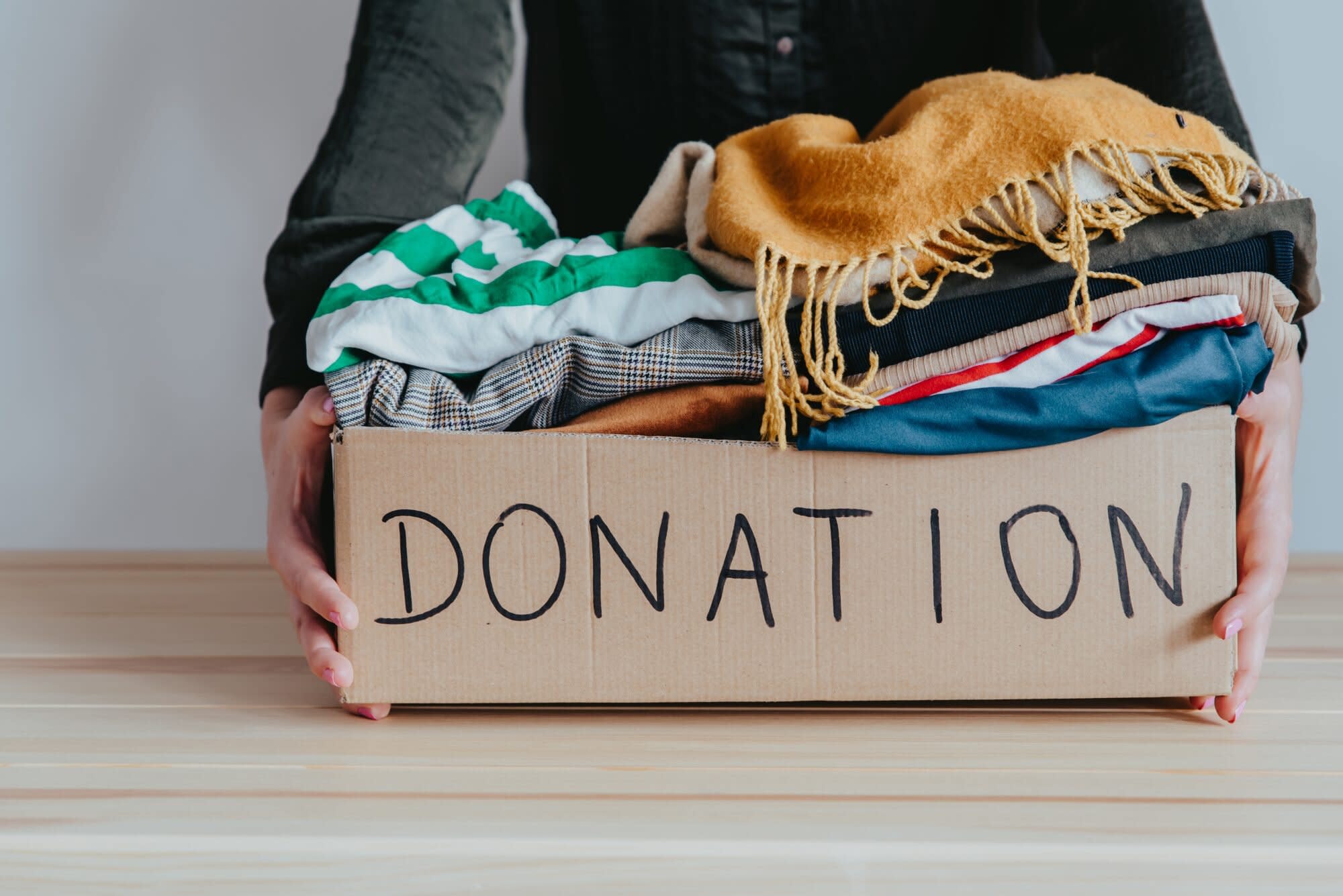
Importance of Donating Clothes

https://s.yimg.com/uu/api/res/1.2/8G40A74oT5H4b99qCdFwug--~B/aD0xMzM1O3c9MjAwMDthcHBpZD15dGFjaHlvbg--/https://media.zenfs.com/en/martha_stewart_living_393/00255fa733b3f7abd778724927c869c5
Importance of Donating Clothes

You might have seen trucks driving through neighborhoods, bins set up in shopping center parking lots to collect old clothes or a thrift shop in Santa Rosa Beach, FL accepting old clothes. This indicates there’s importance associated to donating clothes versus simply throwing them away.

The best types of clothes to donate are ones that aren’t damaged; they are simply items you haven’t worn in 18 months or so. You can put them to better use than as closet fixtures. Don’t forget that you can deduct clothing donations to qualified organizations on your income tax return.

Helps People Who Can’t Afford Clothes

Thrift stores run by charitable organizations typically provide the only way the homeless and other disadvantaged people can afford clothes. The organizations you donate to could not afford to carry out their work without your donated clothing items.

Helps Disaster Victims

Though the Federal Emergency Management Agency prefers cash to help disaster relief efforts, clothing donations also help. Instead of donating directly to FEMA, choose a reputable organization that helps disaster survivors. 

If you have clothes you wish to donate to help disaster survivors, call them or another trusted organization that collects clothing for this purpose. The organization typically will send a truck to your house to pick up the clothing; it will be sorted, packaged and distributed to disaster survivors.

Helps the Environment

 If people buy used clothing instead of new, fewer new clothes need to be made. This saves the resources used to create new textiles. For example, the polyester fiber production process puts a strain on the environment. Recycling clothing helps the environment in a similar way as recycling bottles, paper and cans does.

Helps People with Disease

Donating clothes helps organizations that help fight certain diseases.  The clothing you donate goes toward fundraising. The organization uses the money raised to fight kidney disease by setting up early screening and education programs.

Keeps Your House Organized

Living in a state of chaos and clutter, besides being a possible fire hazard, can be detrimental to your emotional health. If you are ever late getting to work because you can’t find a particular article of clothing, you likely have too much clothing clutter. A good rule of thumb when deciding what to donate is to keep the classic stuff — the clothes that stand the test of time — and donate the rest.

Design a site like this with WordPress.com
Get started