Eco-friendly and Ethical Fashion to Keep You Warm this Winter
Fashion and clothes have a huge impact on the planet, from pesticides used to grow theraw materials for fabrics to the chemicals used to color them. And then, how many garments end up in landfills at some point?
It’s time for us consumers to understand we have a responsibility to be conscientious about our purchases, and make more eco-friendly choices. Luckily, there are many great manufacturers dedicated to providing green and ethical clothes and who care about the planet.
Naturally these brands tend to cost a little more; so, yes, they tend to be more expensive than Target or Forever 21. But I look at it this way: I would rather buy fewer, let’s say, sweaters (for example) this fall and winter, and spend the money on an ethical brand.
Here are some of my favorite eco-friendly winter fashion brands:
People Tree-This UK-based company has partnered with Fair Trade producers, garment workers, artisans and farmers in the developing world to produce ethical and eco-fashion collections for over 25 years.
Ellen Fisher-Their goal as a business is to make stuff the responsible way, so they design clothes to last, and they take them back to resell. They also take the clothes they don’t sell to reuse as raw material, to be reborn as new textiles or to be refashioned as new clothes.
Synergy Organic Clothing-This Company is committed to using the highest quality organic materials, which protects the farmers who grow the organic cotton, the people who knit and create the fabrics, everyone who works on cutting and sewing and packing our clothing – all of whom are paid fair living wages and work in healthy work environments.
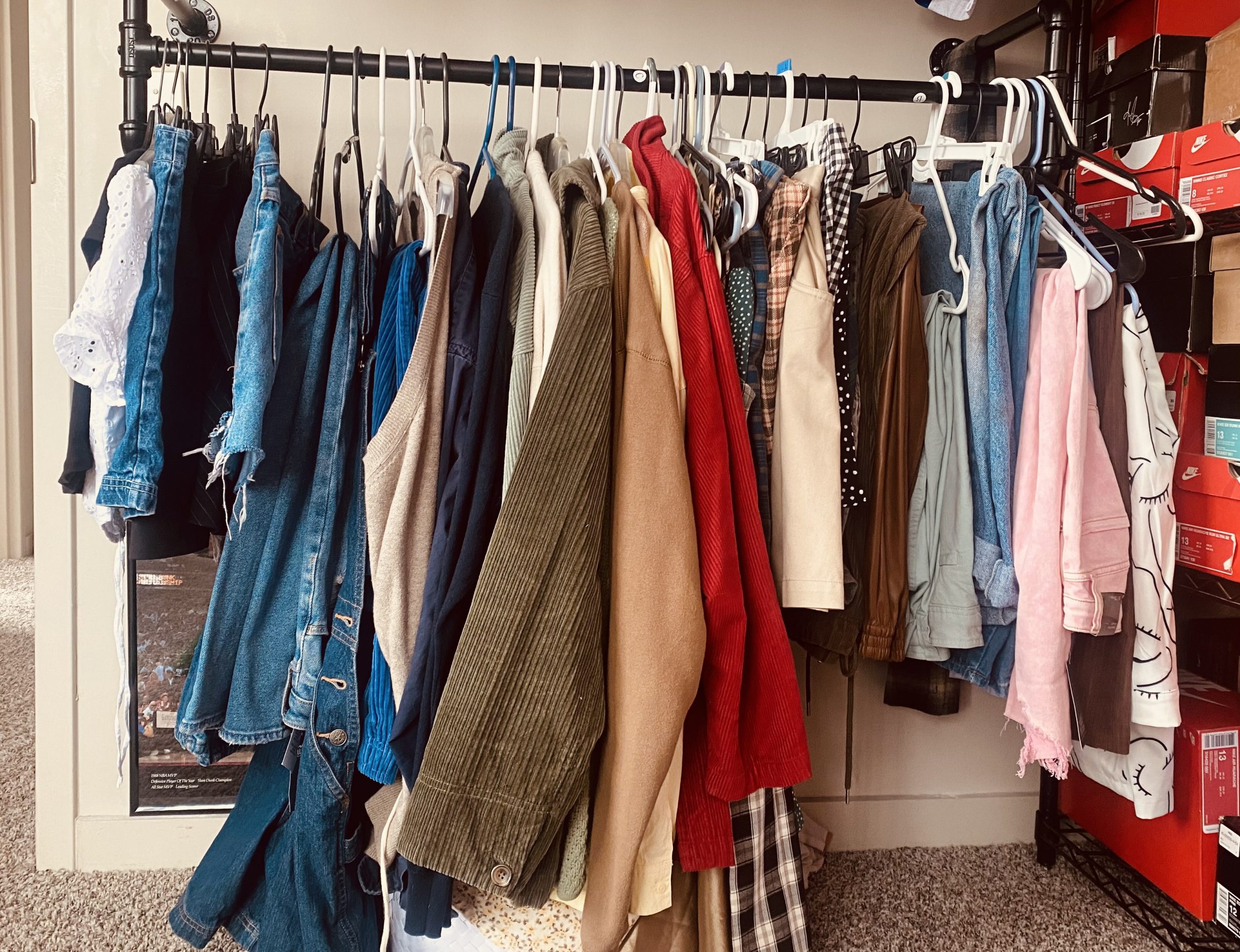
Also I suggest that if you wish for eco friendly fashion then visit the thrift stores in Lebanon, TN. You can buy second hand clothes and contribute towards the community and the environment.
How You Can Save Money The Eco-friendly Way with Your Family
In this crazy times and economic challenges many of us are looking to saving money and living as frugal as possible. So to keep living green and healthy and still save money, we have been making some small changes. Some ideas I listed below might seem so small that you’ll wonder how they can make a difference, but everything counts and adds up.
Leave the car at home and walk:
Bike or take public transportation when possible. Instead of using the car, save money by biking or walking to your destinations. We have baby seats and a trailer to bring the younger kids along, and our oldest rides her own bike.
It’s great because kids love the bike ride, you save the environment and money, and you get exercise at the same time. If public transportation is not possible and you have to take the car, combine errands into a single trip, and take along others who are going to the same destination.
Brew. Don’t Buy: Skip the daily visit to the coffee shop:
I know that on some days you feel as if a strong cup of coffee is the only thing that will help you survive. It might not seem like a lot of money, but since one latte can cost about $5, just multiply that by 7 and see how much that is in one week.
By making your own coffee at home and having a reusable coffee mug on the go, you will save around $100 per month. If you’re not ready to give up Starbucks, then choose regular coffee because that’s cheaper. And bring your own reusable cup since lots of coffee places will give a discount if you bring your own cup.
Unplug all electronics if not using them:
Anything plugged into an electrical outlet uses energy even when not in use, so make sure electronics are plugged in only when being used. Or invest in a smart strip that automatically turns off power when not in use.
Don’t eat out so much, and skip the booze if you do:
Invest in a used cookbook, start following some inspiring home chefs and become your own master chef. Trust me, you can make it fun having dinner parties with home cooked food instead take-out from a restaurant, which is so much more expensive and not really that good for the waistline. If you still want to treat yourself to a meal out, skip the alcohol since that makes it more expensive.
Bake your own bread:
It only requires flour, water, salt and yeast or baking powder to bake so quarantine time is a great time start baking.
Lower heat and water heater:
Here on Zerowastefamily.com, I have already posted an article about how to keep your home warm the green and cheap way, so check it out.
Use recycled items for kids crafts:
Save print paper, old cardboard boxes, old toilet paper rolls, newspaper and textiles to use for kids’ crafts. It’s amazing what you can do with all this stuff. We have made a Barbie house and clothes, bird feeders and pirate hats from lots of recycled stuff. Our kids will look at a box and ask, “So, what can we do with this?”
Use cloth diapers and wipes:
Cloth diapers and wipes might be expensive but they’re a one time purchase. It will reduce trash that stays in the landfill for 100 years and save you money in the long run because the cost of diapers and wipes for about 2 years per child is pricy.
Do free online and or workout outside:
The best thing I ever did was to skip my gym and paid for online classes and head outside for my workout. These days, I hike, bike, power walk or run for exercise; and it’s completely free.
According to a report by the Natural Resources Defense Council’s food and agriculture program (NRDC ), the average American family throws away 40 percent of its food, adding up to $2,275 annually. I have to admit that we used to throw out food, too. However, these days I try to use up everything by freezing leftover cheese, onions, etc.
I even make bread crumbs from end pieces of bread or stale bread, and make soups and stews from the veggies about to go downhill. At the end of the week, I take inventory of what we have left and write it down so I can see what we have, then I make up dishes from it. We also have leftover Monday before our CSA box arrives, when we try to eat up all leftovers and create from what is available.
Make a menu and stick to it:
Having a menu posted on the fridge makes planning ahead easier, and we have fewer “uh-ohs,” when it would be easy to call for pizza because the kids are starved and no food is cooked.
Write a shopping list and stick to it:
Once you decide on a menu, write a shopping list so you know exactly what you need. You will have less chance of coming home with things that you had not planned to buy.
Buy organic food from local farmers:
Some farmers markets are still open despite quarantine but some you can still order food from and have it delivered. The bottom line is that It’s local, which means less carbon dioxide, and it’s cheaper. If you don’t have access to a farmers market, subscribe to a CSA box from a local farm.
Don’t go shopping while hungry or tired: Duh, guess what? Shopping while hungry or tired is your best chance of coming home with highly processed food and snacks that are expensive but will not fill you up.
Thrift Store Shopping: 5 Tips for Getting a Great Deal
If you enjoy stopping into a thrift or consignment store to browse or buy every now and again, you’re not alone. More than 25,000 resale stores currently operate in the US, according to the National Association of Resale and Thrift Shops, and the number of open stores has increased by seven percent a year over the past two years. Shopping at a thrift shop in Panama City Beach, FL can be a great way to save money on the things you need to buy, such as clothing for yourself and your family.
It’s easy to get excited by the low prices and spend more than you planned, however. Don’t let the low prices convince you to bust your budget. Set a spending limit and learn to make the most out of thrift store shopping so that you get the most bang for your buck.
1. Make a List of What You Need
One way to make the most of your local thrift store or consignment store is to always go in armed with a list. For example, when back-to-school time rolls around, you may need to purchase khakis and button-down shirts for your kids. Just as bringing a list to the grocery store helps cut down on impulse buys, sticking to your list when thrift store shopping will help you avoid purchasing an item just because it was super cheap.
2. Be a Bit Flexible
You can’t always get what you want when you want it at thrift stores or consignment stores. Thrifting takes planning. If you need a specific item, such as a pair of dress pants in size 32/30, you may have to make a few trips to your local thrift store or visit a few stores to find them. You may need to start the hunt for a particular garment weeks, not days, in advance.
3. Find Out the Store’s Sale Days
Save the most by shopping the sales at your local thrift store. Some stores use a color-coded tagging system and will mark items labeled with a particular color 50 percent off one day, in an attempt to clear those items from the floor. Other stores may offer special discounts on slower days of the week or offer discounts to certain groups, such as seniors or students.
4. Try Before You Buy
Unless your favorite resale store offers a generous return policy, you’ll want to try on any garments before you buy them. Make sure the item really fits. If it doesn’t, be sure it’s something you can easily alter before you commit to buying it. Also check out the quality of item. Look it over for stains or tears. Also look to see if the item is dry clean only or washable. If it’s dry clean only, any savings you get will be eaten up by your cleaning bill.
5. Compare and Contrast
Make sure you’re actually saving money at the thrift store by having a general idea of what an item would cost new. For example, some designer garments cost hundreds of dollars, but a dress from a discount store can cost $20 new. Twenty dollars is a great deal on a dress that originally cost $200, but not so much on a dress that originally cost $30.
It’s also important to remember that just because something is super cheap compared to its original price, it doesn’t necessarily mean you can afford it. Along with a list of items you need, set a maximum price you can pay for each item, so that you stay within the limits of your budget.
Difference Between a Thrift Shop and a Resale Shop
Every entrepreneur knows the value of research, just as every entrepreneur appreciates the value of a strong gut instinct. If you want to launch a new small business, it’s no wonder that both forces are pulling at you to open a consignment store. As you discuss the idea with people – and especially bankers or investors – it’s important that you be specific about your intentions and careful with your word choices. Other people may use “consignment store” and its word cousins interchangeably, but you may wish to set people straight – and set the best example.
See Through ‘The Heap’
Encourage your audience to be patient because the following delineation remains thorny for only a short time: If you were viewing the nomenclature of this retail segment as a tall heap of clothing, “secondhand” would be at the top. As the Leo Hamel Boutique says, “all second-hand stores have something in common: they make it possible for buyers to save money.” Next in the heap would be “resale shops,” followed by “consignment shops” and “thrift stores.”
You still may see a random sign in front of a “secondhand” or “resale” store, but the terms have largely fallen out of favor. This leaves two distinguishable categories: consignment and thrift shops.
Old habits die hard, so expect to hear some people invoke all four terms as if they mean the same thing. But you won’t, especially after you’re clear on the differences in how these two entities operate and what they sell.
Thrift stores depend on donations to raise money and are most likely to accept clothing, furniture, home décor items, small kitchen appliances, plates, glasses and dishes, electronics, books, movies, baby products and toys to stock their shelves. Thrift stores aren’t known for being choosy and usually accept every donation offered to them since ultimately, the tagged price is meant to reflect the condition of the merchandise.
Thrift stores aim to turn over their stock quickly and so are known to offer bargains: Men’s dress shirts for, say, $3.99 each and four hardcover books or two DVDs for $1, Pocket Sense says.
For shoppers, the thrift store dynamic can be a literal mixed bag and almost entirely a matter of luck and good timing: You can leave with a shopping cart filled with dazzling products boasting designer labels – or nothing but the water bottle you came with.
Consignment Shops Are No Thrift Shop Synonym
In truth, the same scenario could unfold at a consignment shop. But if you’re leaning toward opening a business, a consignment shop is probably what you have in mind. Unlike thrift stores, consignment shops usually have high selection standards, meaning that an item must be in nearly perfect condition and manufactured by a top company.
Or as Leo Hamel puts it, the shops will accept only “pre-owned luxury goods that are in mint condition.” If they’re not, the items are politely declined. If they’re accepted, and they sell, the person who brought the item to the shop shares in a percentage of the sale.
Consignment shops tend to emphasize women’s clothing, shoes and jewelry – a niche that is growing and may look particularly appealing against the sad backdrop of the many retail giants that are filing for bankruptcy or closing.
Do you feel overwhelmed by the thought of thrift shopping? Does the idea of vast amount of clothes to search through feel like finding a needle in a haystack? Well this guide will help you explore the world of thrifting in the most efficient way possible.
If you love shopping, this alternative is a great way to spend the day and experiment with fashion you normally wouldn’t want to spend a full price tag on. Not only are thrift stores in Panama City Beach, FL cheap (especially for that student budget! Be sure to keep your student ID on you, most thrift stores will give you an additional 10% off) but you never know what you’re going to find!
1. Do your homework
Find stores in an area of town that you know to be trendy or is known to have wealth. The more thrift stores you go to the more likely you are going to stumble across a great piece!
2. Know the deals
Some stores also have deals on certain days of the week so keep an eye out for the different colored tags.
This may require you to do a bit of research before hand, but it’s totally worth it. Big sales usually means they are about to get new inventory the day or two after the sale, so you can make a mental note to come back to see what new items are in stock.
3. Get a clue
Once you find a store that looks interesting to you, have set idea of what kind of clothes your looking to buy. This will help you narrow down your search so you don’t seem so submerged in a sea of clothing. For example, if you’re looking for that cute band t-shirt, start by looking in the shirt section and then look accordingly the color your after.
(Pro tip: If you aren’t finding anything in the women’ section, try looking in the mens section, don’t be afraid to venture off from women’s clothing!)
4. Be Creative
If you’re looking for the right pair of high waisted jean shorts, don’t be afraid to look in the jeans section and be creative with your sewing skills!
Thrifting allows you to get crafty with your clothes and venture outside of your comfort zone in fashion without crying every time you swipe your card.
5. Try on Haul
Once you have a handful of clothes I highly recommend trying them on while you’re there. Just because it looks good on the hanger, doesn’t mean it will look as good as you thought it would on….The worst feeling ever is getting home after being excited on finding a really good piece to find out it doesn’t fit and there’s no way to return it. Always remember to look if it has any holes or stains before you buy it. Check yourself before you wreck yourself.
These steps can help you find unique pieces to add to your wardrobe and expand your fashion.
The rewarding feeling you get from finding an awesome piece will definitely outrank the feeling you get from buying a fast fashion top from Forever 21. Not only by shopping at a thrift store are you helping support a cause but, you’re also helping out the community!
The best time to shop atthrift stores in Santa Rosa Beach, FL is naturally, when a huge new shipment of amazing merchandise arrives. (And is set out for the public.) Unfortunately, there’s no exact time or date for this to happen, so you’ll have to get creative to find the best bargains. Here are their recommendations for the best times to shop at thrift stores:
The Perfect Day
While there’s no “perfect” day to shop second hand stores, many regulars swear by shopping early on Monday and Tuesday. Homeowners tend to drop off garage sale leftovers on Sunday nights, making for new finds. Plus, the weekends are more crowded shopping days, so employees look to restock early in the week.
Shop Around Holidays
While holiday weekends tend to be busier shopping times, people also have more time to go through their closets and homes. Spring cleaning that’s been put off can easily get done on the 3-day Memorial Day weekend, which can mean more donations later that week.
Go on Sale Days
Thrift store employees put a little extra love into stocking shelves right before a sale day. Ideally, they want shoppers to have a wide range of well-organized goods to browse first thing on discount days.
Look for Specialty Discounts
Many thrift shops, offer special discount days for seniors, students, military members, or even teachers. If you or a family member fall into one of these categories, shop smart. Ask your local thrift shop which days you can shop on for less.
Visit During Spring Cleaning
The tradition of cleaning out your closets in spring is even more widespread in Phoenix, where summer temperatures make it too hot for people to host garage sales. February through April is prime yard sale time here. So, if you’re in the market for clothing or household goods, this is a great time to shop thrift stores.
No matter what time of day, week or year you shop at thrift stores, you’re bound to find something you need. With a little patience and shopping savvy, you can find bargains at any time.
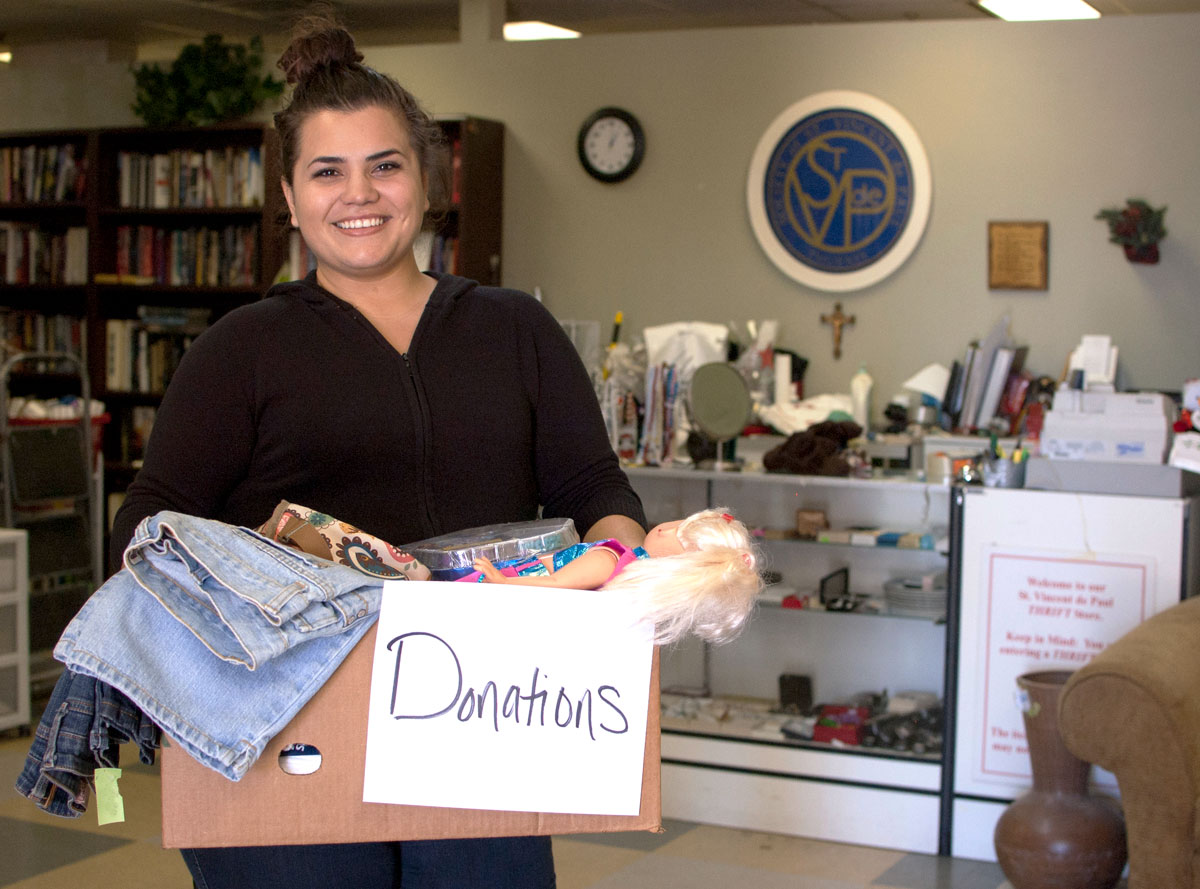
Donations don’t have to be monetary. Next time you get in the spring cleaning mood, box up your used items and drop them off at a local thrift store in Santa Rosa Beach, FL. Most resale shops are run by unpaid volunteers and the profits go to a charitable organization. Your unwanted items might help fund dinner at a soup kitchen, tutoring for school children, or college classes for a single parent. Not sure what to give?
1. Clothing
Skip the well-worn children’s play shirts and box up clothing that still has several wears left. Holiday outfits, snow boots, winter coats, swimsuits, and prom dresses make excellent donations. These specialized pieces of clothing are often unaffordable to a family on a strict budget, making them perfect items for a thrift store.
2. Furniture
Thrift stores love to receive basic, everyday furniture items. Donations of tables, chairs, couches, loveseats, beds frames, clean mattresses, and coffee tables help people set up a new home affordably. Make sure the furniture is sturdy and clean. Nobody wants to buy a couch with odors or a table that wobbles.
3. Household Appliances
Look around your kitchen and thin out any duplicates. If you received a new blender for your birthday, send the old one to the thrift store. When taking appliances to a thrift store, make sure they are in good working order and have all the parts, including safety features. Appliances in high demand are washing machines, clothing dryers, dishwashers, toasters, coffee makers, vacuums, televisions, and hot plates.
4. Baby Supplies
Newborns seem to grow out of clothing in a matter of weeks, while toddlers dismiss toys after a few uses. Send these essentials on so another parent can put them to good use. All baby supplies should be sanitized or in their original packaging before dropping them off at the store. If you donate a crib or car seat, check the national recalled items registry online to make sure the product is safe.
What about clothes, furniture, books and unwanted gifts? Selling them is an option but wouldn’t it be great if there was a new home for the things we no longer want, passing them on to someone who could make use of them, and help to reduce the amount of rubbish that ends up in landfill? Ask friends and family if they’re in need of particular items. It’s the easiest way to start.
Rescue – could a torn cushion be sewed or a zip replaced in that skirt? Do it yourself, ask a friend to help, or find a professional who can do it for you.
Repurpose – could that scratched coffee table find a new home in the garden with a lick of paint? Would a crafting friend welcome that old counterpane for her patchwork project? Use your imagination and ask yourself if your stuff could find a new life.
Check out the inspiring ideas from websites.
If all else fails, find your nearest recycling centre through the Recycling Locator or your local council website.
Some centres also sell good quality items, or goods such as compost made from garden and food waste – so your unwanted television could be heading for a new home after all.
Look for recycling banks in supermarket and local car parks. This is the best option for clothes and shoes which are beyond wear – the fibres can still be recycled.
Take them to thrift stores in Lebanon, TNfor donation. It is a non profit organization and will accept your items if found suitable.
At the start of every new year, many of us will compile a list of goals for the months to come, as well as old habits we plan to ditch. While they usually tap into topics such as health and fitness, a new study has found people are putting eco resolutions at the top of their list for 2020.
Research conducted by has discovered that over 41% of people in US have already added a sustainable resolution to their goals list for the upcoming year, as they want to do all they can to live a greener lifestyle.
Using less plastic came out on top, with 22% of people in US saying this was something they wanted to do more of next year. A further 18% explained that their goal is to recycle more, while 12% want to eat less meat.
Elsewhere, the study found that more people want to shop ethically, as one in 10 people said they would try to purchase items from a thrift shop in Lebanon, TN instead of buying new.
Across the UK, London and the East Midlands were most likely to make sustainable goals, while residents in cities such as Brighton and Edinburgh were also found to prioritise eco resolutions.
We all know the environmental benefits of buying used clothes, and it’s no secret that thrift stores are a whole lot cheaper than retail. But to some, the endless racks of yawn-worthy garments at your average Salvation Army can be a little intimidating. Rest assured, there are techniques for tackling those racks. As a lifelong thrift-shopping enthusiast, I wanted to share some of my tips for efficient, fun and successful thrifting trips.
1. Do Your Research
Some thrift stores focus more on household items than clothes. Others have scanty collections of nearly everything. Consult friends or the good ole’ internet to find out which stores in your area have the best clothing selections. As in so many cases, Yelp can help you discover wonders.
2. Alterations Are Everything
From chopping high-waisted pants into cut-off shorts to taking the sleeves off of dresses, using a little craftiness to alter thrift-store finds opens up worlds. Taking in waists, bringing up hems and other simple alterations used to be common place, and these simple sewing staples are pretty easy to learn. One of my favorite ways to transform thrifted pieces? Turning baggy bootcuts into skinny boyfriend jeans by taking out the flare (see my tutorial here).
3. Look at Labels
I’m not saying to hold out for Burberry and Alexander Wang. I’m saying to look for brands known for their durability. Think L.L. Bean, Ralph Lauren and Calvin Klein over Forever XI, Old Navy and Cherokee. Another thing to check out on labels: materials. You’re likely to find wool and cashmere sweaters mixed in with polyester pieces, so check for natural fibers.
4. Keep an Eye Out For items That May Not Be In Your Size
There are certain things people never really stop wearing. These include turtlenecks, belts, shirt dresses, costume jeans, oversized sweaters and flannel button ups. If you’re open to a little alteration, look for jeans, dresses and skirts that can be shortened or taken in.
5. Don’t Walk Away With Too Much
With such cheap prices, it’s so easy to start throwing anything remotely cute into your cart. Which is more or less fine – it’s important to be open-minded to items at thrift stores in Lebanon, TN But be sure to sort carefully through your finds after hitting the dressing room. Buying five sweaters just because they’re only 3.99 will leave you with the same kind of overstuffed wardrobe as a fast fashion binge.


/GettyImages-544444555web-577d47433df78cb62c7c573e.jpg)
:max_bytes(150000):strip_icc()/GettyImages-968906646-1077b11bfc504736b97febf2c0907f52.jpg)



 Steve Clark