Categories
thrift shop Thrift Stores thrifting

How Thrifting Is Good for the Planet ?

How Thrifting Is Good for the Planet ?

There’s something wonderful about heading to a thrift store and finding a unique piece of clothing that fits your style perfectly. The “one man’s trash is another man’s treasure” saying is quite truthful.

Now more than ever, people are donating clothing, home goods, electronics, and other objects that are in terrific condition.

Whether they’re clearing out clutter or making room for more stuff, this propensity to buy and buy has made thrifting an even more rewarding habit for your wallet.

But apart from the personal advantages of shopping secondhand, thrifting is a great benefit for the environment. Put the “reduce, reuse, recycle” slogan into even better practice—donate more and thrift often! Learn more about how thrifting is good for the planet below.

Keeps Clothes Out of Landfills

Think back to that reduce, reuse, recycle slogan they have all been taught since elementary school. When they were first taught this, it typically had to deal with plastics and paper. Many people don’t realize that recycling incorporates more than the typical plastics and includes textile recycling as well.

Just because you’re not putting your clothes in the blue bin and leaving them at the edge of the road doesn’t mean thrifting is not an important form of recycling. One of thrifting’s biggest advantages for the planet is that it keeps clothes out of landfills.

Contributes to Charities

Shopping secondhand also plays a role in boosting community development. Your money is typically used to help local charities and businesses, rather than multinational corporations that take advantage of the planet. Better yet, these charities that the stores benefit will often help out community members in need or strive to help the planet.

Think about it this way—when you shop secondhand, you’re supporting a business that strives to help others. When they are helping others, they are helping the environment in some way as well.

This contribution to charities can take the form of assisting those in need in the community and can help an organization that’s planting more trees or supporting third-world countries and their water sources.

Lowers Your Carbon Footprint

Another significant way thrifting is good for the planet is that it lowers your carbon footprint. This is another one of those phrases they were taught young—carbon footprint. They often think that the only way they can do this is by biking to work instead of driving or by reducing shower time.

Though these are wonderful ways, thrifting is one of those steps to reducing carbon footprint that doesn’t take much effort. All it asks is that you head to a thrift stores in Panama City Beach, FL rather than engage in online or fast-fashion shopping!

The fashion industry is moving faster than ever, creating millions of clothing items every day to fill up the stores every week. When you buy secondhand, you’re preventing that massive waste of energy and resources on the production of new clothes.

Helps Preserve Water

In a similar sense, thrifting helps preserve water. Like they have mentioned, clothing production is a process that takes up a lot of time and energy; it also uses a lot of water—water that they need dearly and are slowly running low on.

Water consumption is extremely high in every single stage of clothing production. Take a cotton T-shirt, for example. When made unsustainably, even simply growing one kilogram of cotton requires at least 10,000 liters of water. That’s just the beginning of the production process.

There’s wet processing and printing, packaging and transportation processes—all these steps add to the overall water consumption. When you shop secondhand, you’re playing a part in preserving water. green, and shutting off the faucet while you brush your teeth.

Reduces Chemical Pollution

Another great way that thrifting helps the planet is that it reduces the chemical pollution induced by creating and buying new clothes. Let’s think back to cotton—the production of cotton not only uses tons of water, but it’s also highly pesticide intensive.

This means that when cotton is produced and manufactured, it causes soil acidification and water contamination. And this is from material that many people consider sustainable. In general, textile-manufacturing processes involve the use of harmful dyes and crude oil by-products.

The process of creating and shipping new clothes contaminates surface and groundwater, pollutes the air, and so much more. Shopping secondhand begins to eliminate the constant chemical pollution that results from clothing production.

Categories
thrift shop Thrift Stores thrifting

Who Thrift Shops?

Who Thrift Shops?

Over the last couple of years, fashion influencers like Emma Chamberlain have rebranded thrifting to be the new aesthetic, yet sustainable way to buy affordable statements for your wardrobe. The overall decreasing stigma of thrifting, as covered previously in the blog, has only further propelled thrifting’s popularity.

While lower-income individuals have long been represented as the face of thrifting, this seems to be no longer fully applicable. When taking a closer look at who represents the average thrift store shopper, research has shown a massive shift in the socio-economic demographics of thrifters in the past decade.

More specifically, while second-hand clothing continues to be largely utilized by lower class shoppers, this has actually shifted towards individuals of a higher socioeconomic status—especially the middle class.

Not surprisingly, a study shows that there has been a significant increase of the middle class shopping at thrift stores for clothing.

In line with the thrifting habits of lower-income families, there has also been a shift of middle class shoppers buying second-hand furniture, electronics, and household items more than ever before.

However, while more middle class shoppers are turning to thrifting, statistics show that higher-income individuals continue to be less likely to purchase thrifted items.

In fact, James’ study states that “the odds of shopping for furniture, clothing, and housewares at thrift stores were four times higher for those from the lower income category than those from the higher income categories.”

On top of socioeconomic status, age has also played a large role in identifying major groups contributing to the rise of thrifting. As thrifting was introduced into mainstream pop culture, young people started flocking to thrift stores for cheaper, fashionable finds.

Ultimately, this has led to the rise of Gen Z and Millennials being the forefront of the thrifting fashion movement; this can largely be due to 70% of millennial and Gen Z consumers stating that sustainability is an important factor while making buying decisions.

For many individuals of this generation, many choose to shop for a second hand or resale item over eco-friendly products from sustainable brands.

Thrifting becoming a more popular trend means great news for increasing sustainability in the fashion industry. However, it also raises the question of whether this takes away more quality items for lower income individuals.

While more wealthy consumers have turned to thrifting as a cheaper alternative, this in turn can reduce the already limited clothing options available to low-income communities.

“This means there are less quality items left on the thrift store shelves for those who truly have no other affordable options,” a Berkeley based study states.

This could mean lower-income individuals lacking cheaper options for “professional attire that could mean the difference between impressing or crashing at a job interview.”

While the creation of thrift shops in Panama City Beach, FL have originally been for lower-income individuals, the steadily rising popularity and appeal of thrifting has brought individuals of various ages and social-economic backgrounds to thrift stores.

Though this entails increased sustainability practices and purchases in the fashion industry, it has also led to undesired consequences impacting the demographic who need thrift stores the most: lower-income consumers. 

However, this shouldn’t discourage current or potential thrifters; while thrifting is still a great way to practice sustainable fashion, it’s important to remember that sustainability isn’t limited to just purchasing secondhand clothing, but also entails decreasing unnecessary clothing purchases that perpetuate fast fashion culture.

Categories
thrift shop Thrift Stores thrifting

Benefits of Thrift Shopping For Second Hand Clothes

Benefits of Thrift Shopping For Second Hand Clothes

Do you thrift? You do if you’ve ever been to a store that sells previously owned goods like clothes, electronics, furniture, books, or music.

Ever shop at a consignment store? That’s thrifting. You can even call yourself a “thrifter” if you’ve donated items to an outreach organization like Goodwill.

The world of thrifting is large and growing. It includes people from all walks of life, all nations, and every possible interest. Some people intentionally shop for thrift at every possible opportunity because thrift merchandise is much less expensive than what they would pay in a retail store.

Others shop at online thrift stores to make a statement about sustainability and the environment. What is thrifting? The thrifting definition is purchasing second-hand goods rather than new ones.

Is Thrift Shopping a Good Idea?

If you’re wondering if thrifting is a really good idea, here are a baker’s dozen reasons that shopping in-person or online for thrift is a good idea. They will unpack some of these ideas more as they go forward. Remember that this list is just for you: reasons you personally will benefit from thrift shopping.

What’s Available?

You can find practically any item that was once new and either sold or was available for sale in some type of thrift setting. It’s important to know that some items that could have sold legally in the past are now illegal.

For instance, merchandise made of an elephant’s ivory is only available for sale under certain very specific conditions. Food, drink, and medicinal items with dates also have sales restrictions. Apart from such exclusions, retailers can resale virtually anything

This is the age of home goods stores that specialize in selling discount clothes, shoes, electronics, and decorations. A close look at the price tags on these items often reveals markdowns, new labels placed over old labels, or partially removed tags.

This merchandise probably started at a large, fashionable department store and, when it didn’t sell or the marketing season changed, they sent it to a deep discount store—a thrift marketer.

Thrift Shopping Destinations

The practice just discussed for for-profit stores buying inventories from more prestigious retailers is only one of the many types of thrifting organizations today. They could go so far as to say that any merchant offering any form of used goods is a thrift marketer.

Of course, that would mean yard sales and pawn shops are thrift destinations. Rather than getting that far into the weeds, let’s take a look at the significant versions of thrift marketers.

What Is the Environmental Impact of Thrifting?

The one aspect of thrifting about which there is universal agreement is that thrift shopping to buy and sell is environmentally beneficial. Thrifting is the essence of sustainability. Every item purchased is one less item that makes its way to a landfill or which negatively impacts the planet in other ways.

Also, to the extent that buying used clothing online or in brick-and-mortar shops means there is one less item you need from the retail store. As such, thrifting diminishes the need for the sort of new clothing that fast fashion mass produces.

While this might seem to imply merely a small overall impact, note that up to 17% of shoppers each year use local thrift shopping in place of regular retail purchasing.

Why Is Thrifting So Popular?

Beyond all the reasons listed above for why thrifting is beneficial, there are many other reasons thrifting has become popular. However, they should recognize that thrifting has been popular for the last 120 years since first introduced in North American and Europe, from where it spread around the globe.

In the previous 25 years, the Internet has caused this long-prevalent practice to grow exponentially in popularity. There are several important realities behind this growing popularity.

The Internet makes locating unique, specific items and acquiring them much more practical and possible. Thrifting makes those items affordable and provides a more sustainable purchase option.

What Are the Different Ways to Shop for Thrift?

Essentially there are two basic ways to thrift shop: in-person or online. Several factors will help you determine which of these is better suited to your needs. First, do you know precisely what it is you’d be looking for? It’s okay to answer, “No.”

Casual, patient browsing is allowed. And nobody is going to hassle you, either in a brick-and-mortar shop or on the Internet. If you’re just browsing, any local shop in your community will serve. Online, search for web-based thrift that has the sort of items that intrigue you.

Why Should You Go Thrift Shopping?

Thrift shopping is a creative process. It’s interesting to note that early 20th-century mission workers used thrift to teach newly arrived immigrants how to manage money and understand American fashions and habits.

Just so, thrift shopping today offers a clear, enlightening vision of American culture at a particular time of dynamism and change.

They are thrift sites of endless possibilities, joyful creativity, and perpetual hospitality. Thrift stores in Destin, FL will always welcome you, even if you can afford to shop anywhere you want.

Categories
thrift shop Thrift Stores thrifting

Why Thrift Shopping Is So Fun ?

Why Thrift Shopping Is So Fun ?

If you’ve never been to the thrift shops in Destin, FL before, or if you’ve never done any serious thrifting, you’re missing out on a ton of fun. What is it about thrift shops that make them so alluring to so many people? In this article, tell you exactly why thrift shopping is so fun.

The Thrill of the Hunt

They have all heard the saying that the journey is always better than the destination or that the anticipation of something is often better than the thing itself. Thrift stores are full to bursting with that sense of anticipation.

As you run down the aisles of stores, you never know what you’ll be able to find. That buildup of excitement as you enter the door continues throughout your shopping experience.

The Feeling of Discovery

The journey may be incredible, but the nice thing about thrift shopping is that the destination is usually just as satisfying! Once you find that perfect item you were looking for—or better yet, an item you weren’t looking for—that’s when you’ll really start to understand why thrift shopping is so fun.

The combination of the search and the discovery of something new is a feeling that they don’t get to experience often in day-to-day lives.

The New Sights To See

You never know what you’re going to find in a thrift store, and shelves are always rotating. Store can look completely different from one week to the next. The best part about this is finding something you didn’t know you needed until you saw it on the shelf. You might find:

  • A piece of vintage clothing
  • The perfect knickknack
  • Obscure books to read
  • The last item you need to finish off your kitchen or living room

Exploring all the new items that come in is one of favorite parts about thrift shopping, and know it’ll be one of yours as well.

The Satisfaction of a Good Deal

Is there any feeling quite like knowing you just got something new for the lowest price possible? That’s what thrift shopping is all about. Getting a great deal (whether you need the item or not) is one of the best parts of thrifting.

You won’t find better deals on great finds than inside a thrift store. If you’re looking to get the most for your money, you owe it to yourself to go thrift shopping.

Categories
thrift shop Thrift Stores thrifting

5 Reasons to Embrace the Art of Thrifting

5 Reasons to Embrace the Art of Thrifting

Thrift culture thrives on diversity, intentional consumerism, and community. Finding one-of-a-kind wardrobe items and other hidden treasures is always a thrill, but there is much more to thrifting than savvy shopping. Thrifting has the potential to make a positive impact on your personal finances, your community, and even the planet.

Don’t believe ? Here are just a few of the ways that embracing the art of thrifting can change your world, and the world around you, for good.

Thrifting is Better for the Planet:

On average, American citizens toss over 70 pounds of clothing into the garbage each year. For scale, that’s almost 200 clothing items per person. Only around 15 percent of all used clothing in the United States gets recycled or donated, meaning textiles have one of the lowest recycling rates when compared to other reusable materials.

Because thrift shops in Destin, FL are fueled by upcycling, they play a key role in decreasing textile waste in their communities. Still, thrift stores aren’t just helping the planet by keeping landfills textile-free.

Upcycling also limits the unnecessary production of new clothing items, resulting in smaller water, energy, and electricity footprints for manufacturers.

Your Wallet Will Thank You:

Most of us know that thrift shopping can help people cut spending and improve financial health, not to mention the health of closets. But just how much do avid thrifters truly save?

More than you may think. Even though Americans spend thousands of dollars on clothing each year, most only wear about 20 percent of the items in their closet.

For many, those excess purchases don’t just hog precious closet space, they’re also a major strain on the family budget. Thrift stores allow shoppers to make more intentional buying decisions, and while it may take a bit longer to find the perfect item, a little extra time is a small price to pay for the thousands of dollars it could be saving you.

Thrifted Items Are Higher in Quality:

It’s a simple truth, but it’s one that is often overlooked: the clothing items you find in thrift stores are almost always higher in quality than that of the cheaply-manufactured “off-the-rack” items at major retailers.

Thrift shoppers hunt for fashionable finds that have been upcycled, meaning their quality and durability have already stood the test of time and will only continue to do so.

If you’re tired of buying new clothes only to have them fade, shrink, or wear out after a few washes, thrifting may be the solution you’ve been searching for.

You’ll Diversify Your Wardrobe:

It would be silly to not acknowledge the unlimited style options thrift shoppers are presented with on a regular basis. Whether you’re looking to add a few signature items into your wardrobe, or looking to revitalize and refresh it altogether, thrift stores are the perfect place to start.

Not only will you be presented with a multitude of high-quality and low-cost options for your wish list, you’ll also be presented with options you may not have considered otherwise. Thrift shoppers have endless opportunities to define and redefine their unique sense of style.

Thrifting Supports Your Community:

If you’ve yet to embrace the art of thrifting, you’re not just missing out on affordable fashion. You’re also missing out on the opportunity to make a positive impact in your community.

Thrift stores were designed to help families save, and to bring diverse communities together. Thrift culture is all about giving back, paying it forward, and supporting communities.

So, the next time you add a thrift store treasure to your wardrobe, you can be certain that your purchase is paving the way to a brighter future for someone around you.

Categories
thrift shop Thrift Stores thrifting

5 simple ways to live more sustainably

5 simple ways to live more sustainably

We all know how important it is to reduce, reuse, and recycle to limit our impact on the environment. But it’s easy to forget how everyday actions can make a difference for the planet.

So, what are some simple things to do to make your everyday routine more eco-friendly? We have five ways to live more sustainably today.

Use less water
One of the easiest ways to make a positive, eco-friendly difference around your home is by conserving clean water. Even if you don’t live in an area affected by drought, cutting back on the amount of water you use reduces waste and can lower your monthly utility bill.

Start simple: turn off the faucet while brushing your teeth, switch to a water efficient shower head, and water outdoor plants in the morning when you’ll need less water.

Go paperless
Technology today has made it possible to reduce the amount of paper we needlessly waste. Whenever possible, try to go digital instead of printing.

Ask for paperless billing from your bank, use e-tickets for movies and events, and scan documents into your computer instead of printing multiple copies. You’ll reduce excess clutter and save a few trees in the process!

Prevent plastic waste
Millions of pounds of single-use plastic waste are generated each year, but only a small percentage ever gets recycled. Plastic pollution frequently ends up in our planet’s oceans, which in turn harms animals and damages coastlines.

Fortunately, there are easy ways to reduce your plastic use. For example, bring a reusable bag to the grocery store and use reusable straws and water bottles instead of plastic.

Reduce air pollution
Air pollution is harmful to our lungs and the environment. If you live in a city with public transit, try to use it frequently. Or, combine trips and carpool with family or friends to reduce emissions and save money on gas. When possible, walk or bike to nearby destinations to avoid making unnecessary car trips.

Give a new life to used items
Do you have clothes and household goods that you no longer want, use, or need? Don’t throw them away – donate them! When you throw away reusable items such as clothing, they end up sitting in landfills where they take a long time to break down.

Not only is this bad for the environment, but there are many people who can use these items, even if you don’t want them anymore. The next time you clean out your closet or garage, ditch the dumpster and donate your gently used items to your local thrift shops in Destin, FL where they’ll be given a new life and a new purpose.

It’s never too early or too late to begin living more sustainably, and donating to thrift shop is a great place to start. 

By donating to thrift shops, not only are you committing to environmental sustainability, but you’re also making a greater difference in your community! Your gently-used items will be sold at affordable prices to neighbors who can use them.

Then, the proceeds from the sale of your goods help fund Goodwill’s job training and employment services for individuals with disabilities and local veterans.

It all adds up to a positive impact for you, the planet, and your community! Find a retail store or attended donation center near you to make a donation today.

Categories
thrift shop

The Common Misconceptions About Thrift Stores

The Common Misconceptions About Thrift Stores

We’ve talked a lot about the positive attributes when it comes to thrift stores: all the different environmental benefits, the money you can save, and the ways you can embrace your unique personality.

Though you know this, and many people understand this intellectually, there’s still something that keeps certain shoppers from heading into the store. What is it?

Oftentimes, it’s the myths and misconceptions that keep people from stepping in. They hear people say how thrift stores are “dirty” or that it’s too hard to find something. These are the sort of tales that keep people shopping at department stores.

Below we’re going to delve into some of the common misconceptions about thrift stores and debunk them. There are so many wonderful benefits of shopping secondhand, and that’s what we’ll showcase here!

“Thrift stores are dirty”

Probably the most common myth about thrift stores has to do with their cleanliness. People love to talk about how thrift stores are dirty, even if they’ve never been in one before. It’s the thought that since the clothes are used, then they must be dirty. But that’s not the case!

Sure, every now and then there might be an outlier with a stain, and modern thrift stores run by well-known charities may not be the glitziest of places, but that is not to say that they’re not clean. In fact, many stores are putting even more effort into maintaining a clean and organized space to counteract that stereotype.

“It’s too hard to find something good”

You know this isn’t really true! Think about your coworker who always has the best pieces and who always looks incredible. When you ask them where they found a particularly cool item, chances are they’ll say, “The thrift store.”

More often than not, those pieces that we’re most interested in are vintage, one-of-a-kind treasures found in thrift stores. Though thrift stores can be packed with items, that just goes to show how many good pieces you can find when you know how to look.

If you’re not sure where to look, then just take a breath and wander around! Most stores will have some sort of signage to point you in the right direction. But if they don’t, then it’s still not hard to find what you’re looking for. You just have to take the time.

Even if sizes are messed up (which they may be because people don’t often put things back in the right space, no matter what type of store you’re in), you can still find something good on the racks!

“I can’t find anything in style”

Sure, you may find some funky pieces from the ’80s, but those can turn into the staples that help make your style more unique. The great thing about thrift stores is that they have such a wide variety of clothing that any person, no matter what their style, can find something they’d like.

That neon polyester set may not look good to you, but there’s someone out there looking for something just like that.

It’s time to break out of the mindset that thrift stores only have outdated styles. The vast majority of a thrift store’s inventory consists of current styles in good to new condition.

They don’t want to put things on the racks if they don’t think people will like it. Any thrifter can tell you about how many times they’ve bought an item with the tags still on. Hint…it happens way more often than you’d think!

“I’m only into high-end clothing, and I won’t find that in a thrift store”

Where do you think those designer clothes go when their previous owner has had their fill? Sure, some may give them to a friend, some may even put them in the trash (but we really hope they don’t), but a lot of the time they’re donated and end up at thrift and consignment shops.

You can find so many beautifully made designer-label items at thrift stores, but you just have to look. At thrift stores, you can find designer bags at a fraction of the retail price. Those well-made clothes are the things that last—the things that show up on a thrift store rack.

“Thrift stores are unorganized”

One of the most common misconceptions about thrift stores has to do with their organization. Some folks think shopping at a thrift store and finding goodies will take hours of work because the stores are unorganized.

Again, now and then you may find a thrift store in Destin, FL that looks like a tornado just swept through it. But the majority of them are organized and grouped by color and garment.

Since thrift shopping has become more of a “trend,” many stores are making it as easy as possible for shoppers to find their treasures and leave.

Categories
Secondhand Clothes thrift shop

8 Things You Should Be Buying at Thrift Stores

Beginner's Guide to Thrifting: 8 Tips for Thrifting Your Spring/Summer  Wardrobe This Year - The Collegiate Live
8 Things You Should Be Buying at Thrift Stores

Here are some things you, too, should always buy at thrift shop in Destin, FL.

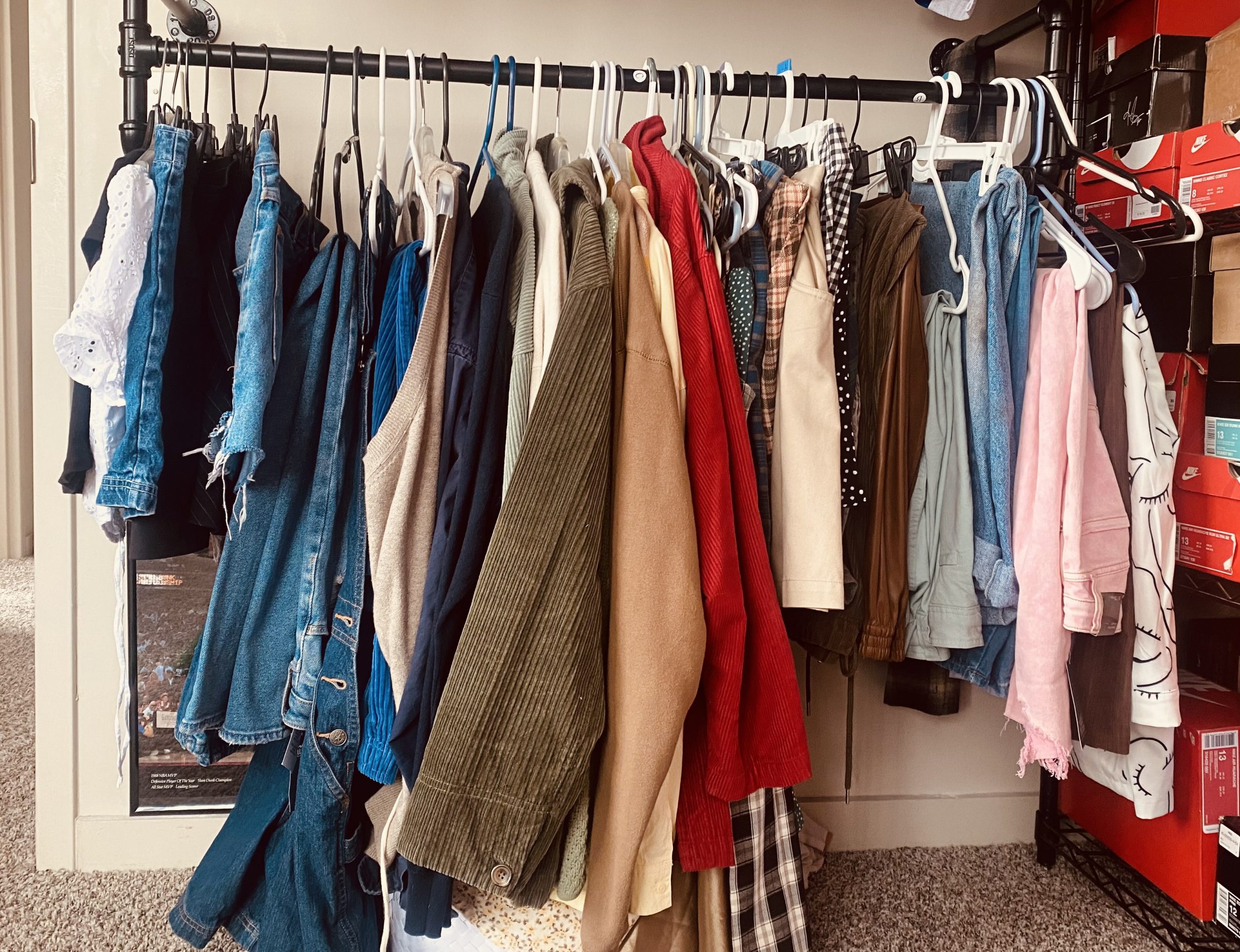
1. Jeans

Hands-down, jeans are the best bargain in any thrift store. Where I live, high-quality used jeans sell for $7.99-$12.99 a pair. And though that may seem high for “pre-loved” denim, consider this: According to Statista, a consumer market research company, the average retail price of women’s jeans was $165 in 2018.

Think all thrift store jeans are junk? Think again. There are loads of high-quality clothes in thrift stores if you know what to look for.

2. Tools

Tools are go-items at thrift stores and something I always buy at estate sales. I’m not talking about circular saws and welding torches here, just basic tools everyone should have.

Since much of what gets donated is older, it’s easy to find used tools that are well-made and proven by years of dedicated service.

Look for genuine made-in-America stuff, like your parents or grandparents had. And don’t let a little surface rust discourage you. With just the slightest TLC, most old tools can go for another generation or two.

3. Totes, trays and baskets

Sure, Amazon sells countless products to organize your home. But, again: Why pay retail?

Canvas totes are always on my shopping list. They’re handy for stowing items in the trunk of my car, packing for an overnight trip, and shopping at garage sales and flea markets.

Trays and baskets are my other go-to storage items. Trays are perfect for displaying cologne, organizing TV remotes or storing craft supplies. Use baskets to store pet supplies, winter gear and bath towels.

4. Holiday decorations

Psst: When you pay less for holiday decorations, you’ll have more money to spend on gifts.

Over the years, I’ve built a handsome collection of handmade Christmas tree ornaments — all purchased at thrift shops for about 50 cents apiece.

And, like clockwork every year, I find a box of brand-new holiday greeting cards for a dollar or two. (Sorry, retailers, but spending $6 to $12 a box just doesn’t work for me.)

But why stop there? Thrift stores sell artificial trees, tree skirts, wreaths and wrapping paper. Best of all, when you buy from charity-related shops, you’re directing your dollars toward worthy causes. And that’s a good idea every season of the year.

5. Art and craft supplies

Thrift stores offer limitless options for artists and crafters.

Besides old canvases that can be painted over, I look for vintage photographs, wallpaper samples, fabric, yarn, pottery and silverware.

With a little inspiration, nearly everything in a thrift shop can be reimagined and repurposed. And since the raw materials are so inexpensive, you can let your creative spirit run wild.

6. Dishware

I’ll say it loud and proud: “I buy all my dishes at thrift stores.” Sure, nothing matches in the strictest sense, but that’s part of the fun.

Creative designers make an art form of setting tables with highly curated “mismatched” sets of dinnerware. You can copy this great look for pennies at a thrift store. Here’s how:

  • I choose a main color family (classic whites and creams) and an accent color (navy blue).
  • Next, I let my creativity take over, buying interesting pieces that fit within my chosen palette.
  • Every plate, bowl, cup and saucer is different, yet it all works together.

When a cup breaks, I pick up a used, unique replacement. Stress level? Zero. Cost? Practically zero.

7. Perfume

Though I’m not a big fan of perfume, many of my friends and family are. It’s a treat to find a bottle of Burberry or Dior mixed in with thrift stores’ standard fare of Avon and Charlie.

And it happens more often than you might think. Most major department stores donate their perfume testers. Look for the telltale missing cap. (Caps are removed so used bottles can’t be returned as new.)

The best part? Many thrift shops aren’t familiar with high-end fragrance brands. Some bottles sell for $3 or $4 apiece.

8. One-of-a-kind items

I’m always on the lookout for the weird and wonderful.

Kids’ pinch pots with wild glazes, threadbare silk rugs, a stack of black and white snapshots — these one-of-a-kind items make our homes unique. And they can all be found in thrift stores.

A few years ago, I stumbled upon a hand-painted image of a sleeping dog. It’s primitive, but done with such care that I couldn’t pass it up. Today, that $4 find is one of my most treasured possessions.

Categories
Thrift Stores thrifting

4 thrifty fall finds from thrift stores

4 Thrifty Fall Finds From Goodwill - Goodwill Cincinnati
4 thrifty fall finds from thrift stores

Autumn is officially here, and there’s no better way to kick off the season than by updating your wardrobe and decorating your home for fall. With Thanksgiving right around the corner, now is the perfect time to try out some new fall trends.

Here are some of my favorite thrifty fall finds you can look for on your next shopping trip to the thrift store in Destin, FL:

Faux leather jackets

No fall wardrobe is complete without a stylish faux leather jacket. Along with the classic black “biker” jacket, some top trends for fall include beige, red, and white faux leather jackets.

You can dress up your jacket by wearing it over a fall dress with tights and boots, or dress it down with a simple tee shirt and jeans. The outfit possibilities are endless, plus you’ll stay warm all day while looking effortlessly cool.

Because leather jackets are so timeless, you can often find them at your local store for far less than department store prices.

All things plaid

In 2018, we’ve seen a return of the most iconic looks from the 1990’s, including plaid. From matching plaid patterned suit sets to plaid jackets, blouses, scarves, and handbags, there’s no shortage of ways to wear this fall trend. You can even incorporate the stylish print in your home décor with plaid tablecloths, bedding, curtains, and rugs.

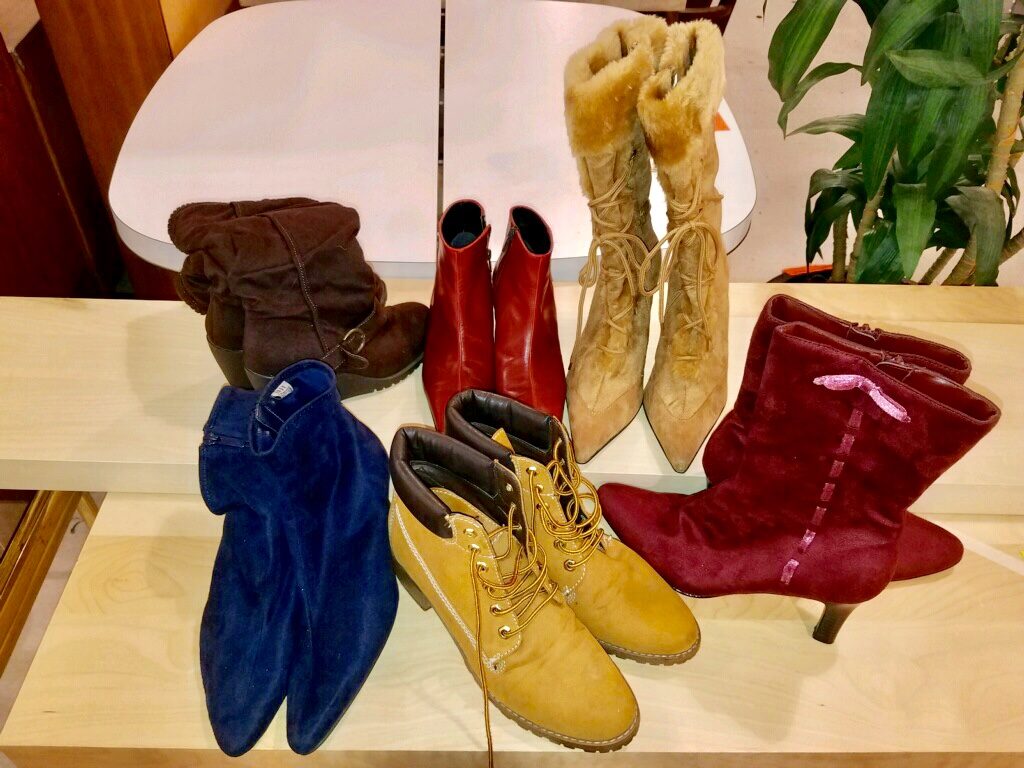
Winter-ready boots

With wintery weather on its way, you’ll need a great pair of boots (or two!) to ensure you’re prepared for rain and snow. Some of the top footwear trends of this fall are animal print booties, low cut cowboy boots, and 80’s inspired kitten heels.

Elegant jewel tones

Rich, luxurious colors inspired by jewels are another emerging fall trend that you can incorporate into your wardrobe or home! Look for clothing and accessories in emerald, navy, sapphire, ruby, fuschia, and topaz to add a pop of color to any outfit.

Jewel tones are also perfect for decorating your living space and bringing some warmth into your home. For a vibrant Thanksgiving centerpiece idea, look for clear or colored glass vases that you can fill with jewel-toned flowers such as roses, chrysanthemums, or black-eyed Susans.

When you shop at thrift stores, you’ll get so much more than a great deal. You’ll also get the satisfaction of your purchase makes a difference for people facing barriers to employment.

At stores, the proceeds from the sale of donated goods help to fund job placement services and programs for individuals with disabilities and our nation’s veterans.

You can feel great knowing that the dollars you spent at thrift stores are reinvested back into your community to change lives and strengthen the local economy!

Categories
thrift shop Thrift Stores

WHY YOU SHOULD THRIFT YOUR FURNITURE

12 Best Places to Donate Used Furniture to Charity

Did you buy a new house recently? Or are you moving out soon? Whatever your case might be, you might need some furniture to furnish your new space. If you have ever gone furniture shopping, you know just how expensive it can be to buy new furniture. 

The good news is that there is always the option of buying furniture at used furniture stores. These stores carry a wide variety of used furniture for your convenience.

THREE REASONS TO BUY YOUR FURNITURE AT THRIFT STORES

Saves you money

Buying a house or leasing an apartment can burn a hole in your wallet. For example, the average cost of a house in 2021 is $295,300, which does not include closing costs — leaving your budget with little to no room for buying new furniture for your space. 

If you are looking to save money on your furniture, head to a thrift store. These stores carry second hand furniture that is sturdy and affordable. Of course, you need to keep in mind that these pieces of furniture will not always be in the best condition. 

Saves the planet 

One growing environmental problem is the amount of furniture that is tossed out each year. The Environmental Protection Agency (EPA) reports that nine million tons of furniture are being tossed into landfills every year. These pieces of furniture then spend years just sitting there because they cannot decompose fast enough. 

The rise of fast furniture is to blame for the growing number of furniture tossed out. Fast furniture is created to fit the trends of the season. Once that trend is over, those pieces of furniture are replaced by “trendier” ones and end up in landfills. 

You can help save the environment by shopping at used furniture stores over retail stores. By thrifting furniture instead of buying new, you reduce the demand for new furniture and the number of furniture that end up in landfills. 

Sparks your creativity 

Second hand furniture sold at thrift stores is sought by many because it is made of higher quality material and sold at discounted prices. However, the catch is that these pieces of furniture might have scratches, stains, peeling paint or missing pieces. 

These imperfections do not discourage buyers but spark their creativity. Thrifted furniture can be restored or flipped into new pieces of furniture. People can give old furniture new life with a little paint, wood stain, wood filler and new hardware. 

WHAT KIND OF FURNITURE CAN YOU FIND AT THRIFT STORES? 

Before you start your search for furniture at your local thrift shops in Destin, FL, you need to have an idea of what kinds of furniture are sold there. Not all furniture is available at thrift stores.

It depends on the furniture thrift stores accept from donations. Here is a list of furniture that you can commonly find at thrift stores. 

  • Tables
  • Chairs 
  • China cabinets
  • Dressers
  • Bed frames 
  • Side tables 
  • Benches
  • Coffee tables 
  • Sofas 
  • Recliners
  • Upholstered chairs
Design a site like this with WordPress.com
Get started