Categories
thrift shop Thrift Stores

Benefits of Buying Secondhand Clothing

https://www.thisislocallondon.co.uk/resources/images/10550002/
Benefits of Buying Secondhand Clothing

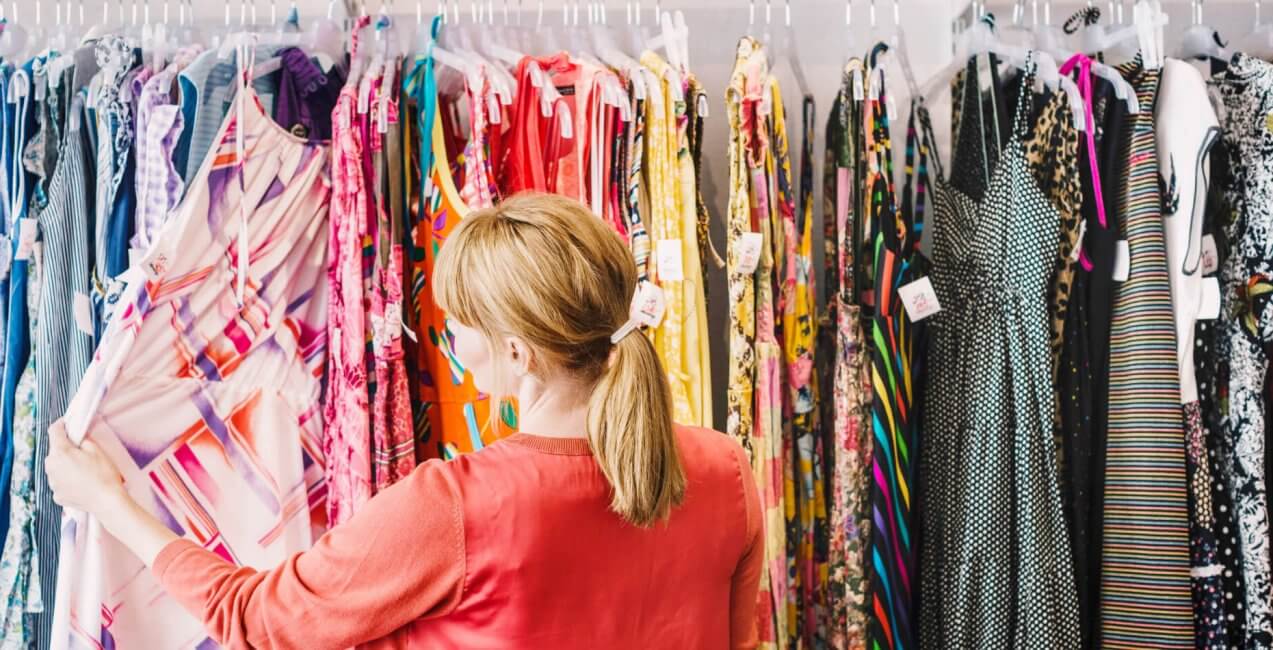
Years ago, buying secondhand clothing was nothing to be proud of. If someone bought used clothing, most would assume they simply could not afford new clothes. In recent years, however, buying secondhand has become a popular trend in fashion.

Websites that allow users to purchase and sell used clothing have popped up all over the internet. The popularity of thrift stores in Panama City Beach, FL has created an enormous opportunity for fashion shoppers to have a positive impact on themselves, the planet, and society at large.

The 4 Main Advantages of Buying Your Clothes Secondhand:

1. Reduces Your Environmental Impact

Buying secondhand means you are reusing a piece of clothing that has been worn previously by someone else. Secondhand pieces are often in good enough shape for continued wear but end up landing in some dumpster instead of being donated or resold

A shirt that no longer fits someone else might be a perfect fit for you. Many pieces of clothing, especially those of good quality, can survive for decades if they are treated well. Unfortunately, many of us tend to throw away clothes after a year or two of wearing them because they have become unfashionable or don’t fit us anymore. Discarded clothes take up valuable space in landfills that should only be occupied by materials that are not reusable or recyclable.

Additionally, Manufacturing and dyeing clothes requires the use of potentially dangerous chemicals. These chemicals pose a threat not only to the water, the air, and the earth but also to the people working with them. By buying used clothing, we can reduce our environmental impact in several ways.

How Does Buying Used Help the Environment?

  • Buying secondhand clothing helps lower the overall demand for new clothing to be produced.
  • Choosing to wear used clothing means you are helping to recycle useful items that might otherwise end up discarded in landfills.

2. Doesn’t Promote Exploitative Work Conditions

Many of your clothes are likely manufactured in impoverished regions where workers produce clothing for more than 12 hours a day for a meager wage. Meanwhile, we in more industrialized countries are worried about which new coat and matching shoes we should buy to look good this season. It is a disgusting paradox.

Buying secondhand clothing will not have an immediate impact on poor working conditions in foreign manufacturing plants, but it may help send the message that the fashion and retail industries need to rethink their strategy. Consumers have spending power, and in turn, help determine how the industry works. If we change our habits, manufacturers and retailers may eventually change theirs, too. Let’s work to lower the demand for new clothing from regions with exploitative work conditions

3. Saves You Hundreds of Dollars

One great side effect of buying used clothing is the substantial amount of money you can save. You can get clothing from top-notch brands at bargain prices simply because they were worn a couple of times and no longer appeal to their owner. If you are a victim of expensive fashion trends, buying used will allow you to purchase far more clothing while spending less than you did when you shopped new.

Some secondhand clothing retailers are pricier than others, but if you’re not picky about brand names, thrift stores, yard sales, and free piles tend to offer the best value. Some sites even offer monthly subscription boxes of deeply discounted, gently used brand-name clothing

4. Your Vintage Style Looks More Authentic

Another advantage of shopping for secondhand clothing is that you will find one-of-a-kind pieces that no one else has. By virtue of shopping only for used and vintage items, you’ll look unique without having to put much effort into it.

We all know that fashion repeats itself. New versions of styles that were once considered old-fashioned suddenly reappear in stores all the time. So instead of buying the same “vintage-style” pair of ballet pumps as all your girlfriends, go check out a secondhand shop and find a one-of-a-kind pair so your look has a more authentic feel

Categories
thrift shop Thrift Stores

Never Buy These 8 Things at a Thrift Store

https://www.moneycrashers.com/wp-content/uploads/2015/02/thrift-store-clothing-finds.jpg
Never Buy These 8 Things at a Thrift Store

One of the best ways to make the most of your money is to head to a thrift store in Destin, FL and see what’s available.

But just because something is cheap, that doesn’t mean it’s a good idea to buy it. There are some things you should avoid at thrift stores.

I asked a few consumer advocates and frugal experts to weigh in on when it’s worth it to pay a little more. They consider the following items among those you should avoid buying from secondhand stores.

1. Vintage painted items

“I shop at thrift stores for probably 50% of my stuff, so I’ve learned many tricks of the trade,” says Dustyn Ferguson, a blogger at frugal website Dime Will Tell.

He points out that old painted items — such as vintage dishware — can contain lead and contaminate whatever you’re eating.

“If you do buy, always test for lead,” Ferguson recommends.

2. Mattresses

This is the ultimate thrift store no-no. Just about every expert says buying a mattress at a thrift store is a terrible idea.

Indeed, we cite mattresses in both “10 Things No One Should Ever Buy Used” and “It’s Worth Paying Extra for These 7 Items.”

“Mattresses can be contaminated with dirt, skin cells and who knows what else,” says Ferguson. “Think of it like a sponge: Over time, it’s so contaminated you need a new one.”

And, of course, you don’t want to risk bringing bedbugs, lice or other hard-to-get-rid-of pests into your home.

3. Shoes

This is another purchase that earned a spot in “10 Things No One Should Ever Buy Used.” The article explains:

“If you’re interested in having comfy feet and minimizing back pain, you might want to skip past the used shoe section at the thrift store. Shoes often come to conform to their first owner’s feet, which can make them uncomfortable for you.”

4. Electronics

J.R. Duren, senior editor at consumer review website HighYa, says it’s best to avoid thrift-store electronics when possible.

Cords could be frayed or internal wiring might be degraded, leading to safety problems when you plug it in.

“Just because a monitor powers on doesn’t mean it’s devoid of issues,” Duren says. “There could be glitches that you don’t see with a 30-second test, but that would annoy you if you took the monitor home and used it for work every day.”

5. Small appliances

You can’t be sure that small kitchen appliances will actually work as expected when you buy them at a thrift store, says Steven Millstein, an editor at CreditRepairExpert.

He points out that items like blenders and kitchen appliances, which you can’t adequately field test, are likely to be outside their warranty. And you could spend the money with no recourse if things don’t work out.

6. Vacuums

“Vacuum cleaners are not built to last long,” says Millstein, citing a Consumer Reports article putting the median lifespan at about eight years.

As with kitchen appliances, you don’t actually know how the status of the warranty or the history of the item.

“Buying a vacuum cleaner from the thrift store is a big gamble,” Millstein says.

7. Underwear

Jennifer Hayes, founder of the website Smarty Pants Finance, doesn’t like the idea of someone else’s intimates becoming, well, intimate with her own body. You can’t always get underwear completely clean.

“Undies can be had for fairly cheap, so it’s worth it to go new on those items,” Hayes says.

8. Bedding

You can’t always completely sanitize bedding, either, Hayes notes.

If you’re concerned about what used bedding could be harboring, she suggests looking for new sets of bedding. You can find them at big-box stores like Walmart and online retailers like Amazon for as little as $20.

Categories
thrift shop Thrift Stores

Three Spooky Ways To Get Your Home Halloween Ready

https://www.dhl.com/content/dam/dhl/global/delivered/images/smart-grid-press-1375x504/delivered-3-safe-ways-to-celebrate-halloween-this-year.jpg
Three Spooky Ways To Get Your Home Halloween Ready

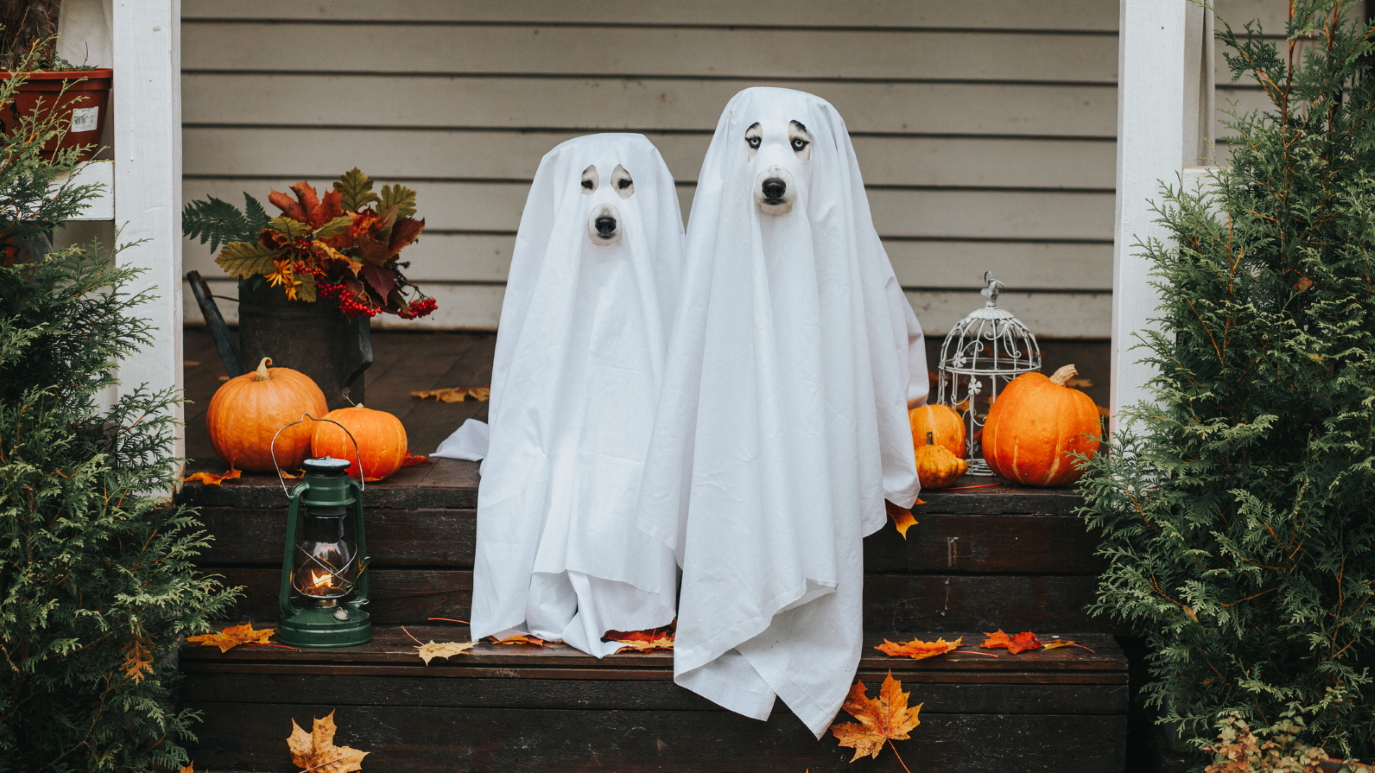
It’s never too early to start decorating for a new season — especially for one as short as spooky season! It can take some time to get your home looking like the perfect balance of scary and stylish, so it’s no surprise that, for many, decorating has already begun.

Fall colors and Halloween-themed pumpkins come out of storage, fall-colored book stacks begin to appear on tables and shelves alongside gourds and witchy signage. It’s the unofficial start of the season, kicking off a celebration of all things Halloween — from candy to and mystical creatures.

Home décor has become more important in the last few months, as people have been forced to spend more and more time indoors. Even if this year’s Halloween looks a bit different — socially distanced gatherings and taking safety precautions while trick-or-treating instead of what may have normally been an indoor party — creating a fun spooky Halloween ambiance can have its own benefits for you and your family.

According to a study in the Journal of Environmental Psychology, putting up decorations early for a favorite holiday can make people happier. By decorating early, you begin to believe the holiday isn’t that far away, and you can start a countdown to your favorite holiday!

Plus, if you want to go all-out on spooky Halloween decorations this year, you won’t need to break the bank. By shopping for decorations or DIY craft materials second hand at thrift shops in Destin FL, you’ll find what you need for a mere fraction of the price you’d pay at another retailer. And, at the same time, you’ll be paying tribute to the environment by diverting these gently used goods from a landfill, instead putting them in the spotlight on your walls and mantle.

Below are a few Halloween décor ideas created by shoppers that will be sure to delight any ghost or ghoul this year.

Witchy Welcome Wall

There’s nothing like a nice reminder of the Halloween season every time you walk through your front door. These thrifted entryway decorations are perfect for entering any witch or wizard into your home and will keep your family in the holiday spirit. You can repurpose an umbrella holder to hold witches’ brooms, both items easily findable at your local store.

Creepy Corners

It can be a scary surprise to walk into the kitchen for a midnight snack and find a gleeful skeleton in the corner! Set up a few of these startling decorations throughout the house to add some hocus pocus to every room.

Custom Cemetery DIY

I LOVED finding the creativity this shopper had. She found the church on the left for a $3 steal at her local store and, with a little bit of black paint, transformed it into the creepy mausoleum that’s now part of the DIY cemetery stationed behind her kitchen sink. A spooktacularly wallet-friendly idea for an eye-catching and elaborate decoration!

Categories
thrift shop Thrift Stores

Four Ideas to Transform Your Home into a Cozy Fall Hideaway

https://www.washingtonian.com/wp-content/uploads/2018/01/Norman_13013LL_018-2048x1351.jpg
Four Ideas to Transform Your Home into a Cozy Fall Hideaway

On the East Coast, the nights have started getting colder, the air becoming crisper as the color of the foliage begins to change and flutter to the ground. It’s clear that Autumn is coming — the passing of Labor Day putting an end to frequent weekend trips to the beach and the wearing of white pants, and I want my home to be prepared as sweater season starts to kick in!

Now that I’m spending most of my time in my apartment, it’s important to me to have cozy nooks where I can snuggle under a blanket and read, write, or simply relax with a mug of herbal tea. As I now work from home and will continue to do so for the foreseeable future, I’ve been trying to tackle the difficult task of keeping my work and “fun” lives separate, working in a different corner than I relax in.

This article shares more tips on creating a productive workspace with items that won’t break the bank, but will help you create this separation as well!

As you begin to welcome fall into your home by thinking about cozy décor, consider shopping for seasonal decorations, books and furniture at your local store. You’ll find show-stopping fall pieces for a bargain, and you might come home with inspiration for a custom DIY project or two as well!

1. Cozy Corners

For me, the only comfort that colder weather brings is knowing I’ll have the perfect excuse to snuggle up on a chair or couch with a soft blanket and a stack of books I’ve been meaning to read all summer. As we spend more and more time at home, it’s important to create these areas where you can simply relax — and books, a cozy blanket and a gorgeous thrifted chair can do just the trick.

2. Faux Foliage

A sophisticated fall-scaped mantlepiece is a versatile way to let a little fall into your living room all the way through the Thanksgiving holiday. By layering faux fall foliage, gourds and carefully selected vases and planters, you can create a fall landscape that brings the best of the outdoors inside your home.

3. Pumpkins & Pictures

Especially in recent years, wooden signs with phrases like “Gather” and “Come Together” have become extremely popular in home décor, especially when it comes to fall! These signs are great and — much to my boyfriend’s chagrin — our apartment has a few of these strategically placed all over as well.

But it’s important to remember that among the signage and pumpkins, you can never go wrong with a few family and friends photos. During a time where we may not be able to see our loved ones as often as we’d like, pictures can be a way to bring them into our homes, making them feel all the more safe and cozy because of it.

4. Fall Furniture DIY

Furniture shoppers have such a fantastically creative eye for before-and-after furniture projects that I constantly find myself in awe. This antique buffet table revamp is so stunning. 

Feeling inspired? Head to your local thrift shop in Destin, FL to pick up a few items to bring the essence of fall into your home.

Categories
thrift shop Thrift Stores

Why Gifting Second-Hand Spreads Holiday Cheer Even Further

https://www.business.com/images/content/5fc/800e15a215efb418b4567/1500-0-
Why Gifting Second-Hand Spreads Holiday Cheer Even Further

I think we can all agree that 2020 has been a difficult year — especially for those of us who are not good with change… and a lot of it… all at once! This has been a year full of unprecedented circumstances, we’ve all probably spent a lot more time at home than ever before, and we’ve all probably had to deal with loss in some way as well.

As we approach the end of 2020 and, specifically, the holidays, we can start to think about what really matters most to us in the world. For me, it’s safely spending time with my family and friends — whether its on a brisk outdoor walk or a Zoom chat — and using some of my newfound free time to do what I can to make the holidays extra special for them this year. If there’s one thing we all could use, it’s some good old-fashioned holiday cheer!

That being said, it’s important for us to think about how and where we’re shopping for special gifts this holiday season. In addition to being the year of the pandemic, 2020 has been a pivotal year when it comes to environmental issues, and it has been a difficult year for many when it comes to job stability and having the ability to save some extra cash. If you’re nodding your head as you read this, then shopping second-hand for holiday gifts just might be the right solution for you.

When it comes to the environment, fashion waste stemming from fast-fashion brands that capitalize on short-lived trends is a major issue that is causing people to pivot to a more responsible retail era. In a 2019 survey conducted by Accenture, insights found that gifting second-hand — and especially vintage styles — is becoming a fashionable trend, and almost 50 percent of survey participants responded that they would consider gifting second-hand. And closer to 60 percent of people would welcome gifts of this type themselves!

Gifting second-hand items bought from the thrift stores in Destin, FL is so much better for the environment than shopping at traditional retail stores because it redirects gently used clothes and other goods from the landfill to your closet, where they can be put to great use.

Categories
thrift shop Thrift Stores

Why the community should donate to a thrift store

https://www.chaptershealth.org/wp-content/uploads/2020/10/Thrift-Stores-GettyImages-626535993_1920x950-1273x650.jpg
Why the community should donate to a thrift store

Why give to a thrift store? 

If someone has leftovers from their garage sale, donating to a thrift store could be the best next choice. These funded programs typically serve people in local communities who have barriers to employment.

That would be people who have a disability, reentering into the community after being released from jail or prison, or for someone who has a lack of education and job training. In addition, someone finding their first job could find a position at a thrift store in Destin, FL. By donating to a thrift store, you’re helping your own community.

They’re able to divert things that typically are found in a land-zone, and reuse it. The organization is friendly to the environment by recycling used clothes and items in that way.

When is the best time to donate to a thrift store? 

“Anytime is great to donate to thrift stores. A lot of people normally donate more in the spring after getting into spring cleaning. For thrift shops, the spring time is a heavy donation time. However, there’s really no bad time to donate.

What would be the best items to donate to a thrift store?

The value of the item is in the eye of the beholder. Thrift store receives a lot of clothes and apparel, but the industries also has plenty of furniture. The stores get things that treasure hunters and customers are looking for, and they’re always looking for unique things. 

How does a thrift store benefit the community?

Serving quality goods for people is an important role for thrift stores and to be able to provide a variety of items such as cooking ware, electronics, clothes and apparel at a good price range.

The donated clothing items are almost always brand new, and shopping at a thrift store is good for customers who are managing a budget and for college students who are moving into their first apartment or dorm rooms searching for cheap furniture.

Categories
thrift shop Thrift Stores

Fast Fashion Pros and Cons

https://apparelmagic.com/wp-content/uploads/blur-1850082_1920.jpg
Fast Fashion Pros and Cons

What is Fast Fashion?

Fast Fashion is inexpensive clothing that is produced to mass-market retailers in response to the latest trends. Retailers like Primark, H&M, ASOS and Boohoo.com churn out millions of tonnes of clothing each year to keep up with the ‘need to be new’.

This has been growing rapidly over the last 10-20 years with globalization being at the forefront and a drive from the Millennial and Gen-Z generations obsessed with having the newest trends before they’ve even hit the store.

Fast Fashion allows us to accommodate the world’s passion for fashion at an affordable price but does come at a price.

The Pros to Fast Fashion?

With living in such a fast-paced world, Fast Fashion allows for more affordable clothing. The latest trends are sold to the masses, people get what they want and not have to wait around for anything as there are now so many retailers and brands to choose from, either in-store and online, with eCommerce becoming the biggest industry on the planet as the human race moves deeper into the digital era.

With clothing becoming so cheap people can get a new outfit each weekend to go out in, sometimes even cheaper than a round of drink at your local pub! This has moved people into the habit of buying something and only wearing it once, a throwaway cutler. It’s great for someone who doesn’t have the largest income (students/the youth) as they can still enjoy the thrill of spending and getting the new things when they want, and not have to spend an arm and a leg on it, allowing them to save in other areas of life.

The Cons of the Industry

With the colossal demand for these clothes and the rate at which people want them, the increased waste from this throwaway culture, we as a species have created, means that 100 billion garments each year go to landfill in countries a lot worse off than the people buying the clothes.

Places like the Far East and Southern Asia, where huge sweats shops that have been known to exploit workers, make these clothes are on barely a liveable wage in awful conditions to get the product quickly the consumer on a mass scale. More than 1,100 people died in the garment factory collapse in Bangladesh in 2014 forcing western retail to be more transparent about their supply chain.

In early 2018 designer brand Burberry admitted to burning over £30 million worth of stock instead of selling it off cheaply to protect the band’s identity. This caused controversy in the fashion industry and it really made people stop and think as to what we can do to make this more environmentally friendly and stop this throwaway culture. This is the reason thrift shops in Destin, FL are gaining popularity.

What you can do

You can help combat this issue as well and it’s not even that difficult. The main and probably most beneficial thing you can do is to stop buying so much new clothing. 


Wear more than once, when you wear something don’t feel that because people have seen you wear it once you can’t wear it again. Most clothing nowadays is such high quality it will last you for a good few years if you look after it.

The beauty with clothing is its versatility! Due to the advancement in technologies, the quality of even a cheap top can out way some of the more high-end designer brands. Once you’ve worn it and are bored with it, sell it on. Use the Apps like Depop and eBay to get some money back and allow someone else to enjoy what you once had, the recycling process can continue with you.

Fast Fashion is a great thing for the masses but its dark underbelly means that for us the cons outweigh the pros. Next time you go to get a new outfit for the weekend, think, do I really need that? Think of the bigger picture when it comes to fashion and not what you just look like!

Categories
thrift shop Thrift Stores

5 Reasons To Buy Used Kids Clothes

https://sustainablelifeblog.com/wp-content/uploads/2021/04/SLB_5-Awesome-Reasons-to-Buy-Used-Children_04-20-21-2.jpg
5 Reasons To Buy Used Kids Clothes

As kids begin to grow older, their bodies start changing and progressing into bigger sizes of clothing. It seems like as soon as a parent turns around, their child is outgrowing their clothing again. This can become expensive, especially for those individuals who have more than one child. This is why there are so many of us who buy used kids clothes for our children.

There isn’t a family out there who has recycled their clothes within their family and friends who have children who need clothes as well. If the used kid clothing fit the size of your child and are the right size, then there isn’t a single individual who deny these clothes. There are so many reasons as to families do this, and there are also many reasons why buying used kids clothing is better and more beneficial for families to look into.

Growing Quickly

When you are looking to purchase used kids clothes, when you buy them from a yard sale, or have them handed down to your child, you will be able to get clothing that are sized ahead and for the upcoming season. This is beneficial for you since you will not be over-spending on new clothing. When you are needing to replace your child’s wardrobe, instead of running out to the mall and spending way too much on clothes, shop smart and head to the thrift store instead.

This will allow for you to save money, and also return home with more clothing than you would at a regular warehouse store. A nice aspect of buying used clothing is that you will be able to pass them on to friends and family once your child has outgrown these clothes.

Variety Of Clothing

When shopping for used clothing, you will be able to find that there is much more of a variety in the clothes that you can purchase. Therefore, when it is picture day at your child’s school, you won’t have to worry about if another child has the same outfit, or the same shirt, in their classroom.

The thrift stores inventory of clothing is continuously changing, therefore, you will pass on a lot of the clothing and will also be able to find a lot of “gems” and outfits that your child will have as a favorite. Make sure when you are shopping for second hand clothes at thrift shops in Destin, FL, the styles that you pick are the “in” styles of the times. Just because you are shopping for used clothes does not mean that you can’t find clothing that is in style.

Stains

Everyone knows that children makes a lot of messes and their clothes will become dirty or ruined. When you shop for used clothing items, if your child wears the outfit for the first time and stains it or ruins it, you will not be as frustrated because you did not spend a lot of money on the outfit. So, if you buy your child used clothing it will not keep them from making those types of messes, however, it will be less frustrating for you if they ruin an outfit that you did not spend a lot of money on.

Recycling

There is another reason that is wonderful about buying used clothing, and it is that it is environmentally friendly. When you purchase your clothing from garage sales and thrift shops, you are keeping these very good items of clothing out of dumps and landfills, and it also decreases the demand for more manufacturing of new items of clothing. Therefore, when you are buying recycled clothing for your kids, you are actually helping our environment in a very big way.

Cheaper Option

When it comes to all of these thrift shops, garage sales, swaps and much more, there are plenty of ways for you to find really cheap clothing and also being able to find free clothes. If you take a look at the price of shoes and jeans these days, you will see just how expensive clothes are starting to be. However, if you shop for used jeans, you can easily purchase more pairs of jeans, and for the same price as one new pair.

Same thing applies when you look for used shoes for sale. The number one reason to buy used clothing is that it saves you money. Instead of unloading your money on brand new clothes, when you purchase used kids clothes you are able to save so much more money for you and your family.

Used Kids Clothes Are Good Alternative

In conclusion, when it comes to used clothing, there are so many individuals who would benefit in a great way if they choose this road. When you purchase clothing from consignment shops, swaps, thrift stores, and garage sales, you are allowing for your pockets to stay full and not wasting all of your money on new clothing.

It is not only beneficial to you for you budget, but you are also helping to keep our environment safe. There are so many people who shop for used clothing, so they can save money, help other family members by passing them down, helping our environment, and ending up having a large variety of clothing that your children can be satisfied with.

Categories
thrift shop Thrift Stores

How to Dress Greener: 5 Reasons to Shop at Thrift Stores

https://www.lifesavvy.com/p/uploads/2019/09/fe39b189.jpg?height=200p&trim=2,2,2,2
How to Dress Greener: 5 Reasons to Shop at Thrift Stores
Thrift Store Shopping Has become a Way of Life for Many People

The average American throws away 70 pounds of clothing every year. Many consider “shop ‘til you drop” a philosophy of life but that lifestyle comes at a high cost.

By the end of the 1990s – the golden years of shopping – shoppers were scooping up about 65 garments per person annually. Who doesn’t love a good sale?

Changing trends, new manufacturing technologies and low prices prompted many American to indulge in “fast fashion” and over-consume clothing, but then the tide turned. Two recessions led many people to rethink their need for a closet full of new clothes.

For some, conscious consumerism had supplanted the philosophy of overconsumption and many people started shopping less. Not everyone curbed their over consumptive fashionable ways, though. Eighteen years later and on average, consumers purchase 60 percent more items of clothing  than they did in 2000, however, each garment is kept half as long.

Many used garments end up in landfills – the average American throws away about 70 pounds of clothing each year – this is roughly the equivalent of 191 t-shirts per person – and they recycle or donate only about 15 percent of their used clothing. That’s too bad, because thrifting – buying clothes at a thrift store – is definitely having a moment that doesn’t show signs of ending soon.

Thrift store shopping has many benefits for people and the planet – here are five reasons why you should consider thrifting for both recycling and buying your clothes.

Thrifting Reduces Water Footprints and Uses Fewer Chemicals

Water is involved in almost every stage of clothing production. It takes water to grow cotton: it takes up to 2,700 liters (713 gallons) of water to grow the cotton needed to make one t-shirt; a pair of jeans takes over 8,000 liters of water.

In addition, cotton is an extremely pesticide-intensive crop. The pesticides can often contaminate ground and surface water.  Extensive pesticide usage leads to soil acidification and agricultural run-off, which causes hypoxia in nearby surface waters and subsequently disrupts ecosystems.

Decreasing demand for new cotton decreases the need for pesticides.

Thrifting Uses Less Energy

It takes energy to transport cotton from farms to textile manufacturing facilities, to retailers and ultimately to consumers. Within the manufacturing process, a lot of energy consumption occurs during washing, de-sizing, bleaching, rinsing, dyeing, printing and finishing processes. It also takes water to produce the electricity used to power all these processes.

Throwing clothes in a landfill also requires energy. Buying secondhand from a thrift store in Destin, FL, keeps clothes out of landfills which saves energy. In fact, a 2007 study found that recycling or reusing cotton clothing uses just 2.6 percent of the energy required to manufacture a garment from virgin materials.

Finally, as use of cotton in garments has slowed, use of polyester has jumped. Polyester has its origins in both natural and synthetic (think ‘oil and gas’) sources. Experts estimate that 98 percent of future fabrics will be synthetic and 95 percent of those synthetics will be polyester. As demand for clothing increases, demand for synthetic polyester fabric will increase and that brings with it all the environmental issues associated with oil and gas.

Thrifting Creates More Thoughtful Consumption

According to the EPA Office of Solid Waste, Americans threw away about 65 pounds of clothing per person in 2015. That adds up to about 16 million tons of clothing and textiles every year.

Shopping at thrift shops can help consumers make more thoughtful purchases. They can ask themselves, “Will I actually wear this? Will it go out of style? Do I truly need it?”

Thrifting is Cheaper

The average American consumer spends $1,000 to $2,000 each year on clothing, but wears only about twenty percent of what’s in their closet. While thrifting generally takes more time and consideration, it saves money, as long as people don’t “bargain overload” and don’t buy unnecessary pieces.

Thrifting Gives Back to the Community

National thrift stores like Goodwill provide career support for the disabled. Here is a national directory of charity-driven thrift stores, and a list of thrift shops around the United States to check out. Consignment stores, flea markets and vintage shops also sell recycled clothing.

Categories
thrift shop Thrift Stores

Difference Between a Thrift Shop and a Resale Shop

https://imperfectidealist.com/wp-content/uploads/2020/05/2020-05-27-06.13.13-1-scaled.jpg
Difference Between a Thrift Shop and a Resale Shop

Every entrepreneur knows the value of research, just as every entrepreneur appreciates the value of a strong gut instinct. If you want to launch a new small business, it’s no wonder that both forces are pulling at you to open a consignment store.

As you discuss the idea with people – and especially bankers or investors – it’s important that you be specific about your intentions and careful with your word choices. Other people may use “consignment store” and its word cousins interchangeably, but you may wish to set people straight – and set the best example.

See Through ‘The Heap’

Encourage your audience to be patient because the following delineation remains thorny for only a short time: If you were viewing the nomenclature of this retail segment as a tall heap of clothing, “secondhand” would be at the top. As the Leo Hamel Boutique says, “all second-hand stores have something in common: they make it possible for buyers to save money.” Next in the heap would be “resale shops,” followed by “consignment shops” and “thrift stores.”

You still may see a random sign in front of a “secondhand” or “resale” store, but the terms have largely fallen out of favor. This leaves two distinguishable categories: consignment and thrift shops.

Old habits die hard, so expect to hear some people invoke all four terms as if they mean the same thing. But you won’t, especially after you’re clear on the differences in how these two entities operate and what they sell.

The Meaning of ‘Thrift Shop’

Thrift shops in Destin, FL are usually operated by and for a charity or nonprofit organization.

Thrift stores depend on donations to raise money and are most likely to accept clothing, furniture, home décor items, small kitchen appliances, plates, glasses and dishes, electronics, books, movies, baby products and toys to stock their shelves. Thrift stores aren’t known for being choosy and usually accept every donation offered to them since ultimately, the tagged price is meant to reflect the condition of the merchandise.

Thrift stores aim to turn over their stock quickly and so are known to offer bargains: Men’s dress shirts for, say, $3.99 each and four hardcover books or two DVDs for $1, Pocket Sense says.

For shoppers, the thrift store dynamic can be a literal mixed bag and almost entirely a matter of luck and good timing: You can leave with a shopping cart filled with dazzling products boasting designer labels – or nothing but the water bottle you came with.

Consignment Shops Are No Thrift Shop Synonym

In truth, the same scenario could unfold at a consignment shop. But if you’re leaning toward opening a business, a consignment shop is probably what you have in mind. Unlike thrift stores, consignment shops usually have high selection standards, meaning that an item must be in nearly perfect condition and manufactured by a top company.

Or as Leo Hamel puts it, the shops will accept only “pre-owned luxury goods that are in mint condition.” If they’re not, the items are politely declined. If they’re accepted, and they sell, the person who brought the item to the shop shares in a percentage of the sale.

Consignment shops tend to emphasize women’s clothing, shoes and jewelry – a niche that is growing and may look particularly appealing against the sad backdrop of the many retail giants that are filing for bankruptcy or closing.

Ironically, at least two of these giants – Macy’s and J.C. Penney – are poised to bring “used” clothing into their brick-and-mortar stores, according to the U.S. Chamber of Commerce. You can surmise your own theories about why such experienced retailers would want “pre-owned” clothing competing virtually alongside their brand-new offerings. But this development ought to tell you something – while probably confirming your already-strong gut instinct.

Design a site like this with WordPress.com
Get started