Categories
Secondhand Clothes thrift shop Thrift Stores

8 Things You Should Be Buying at Thrift Stores

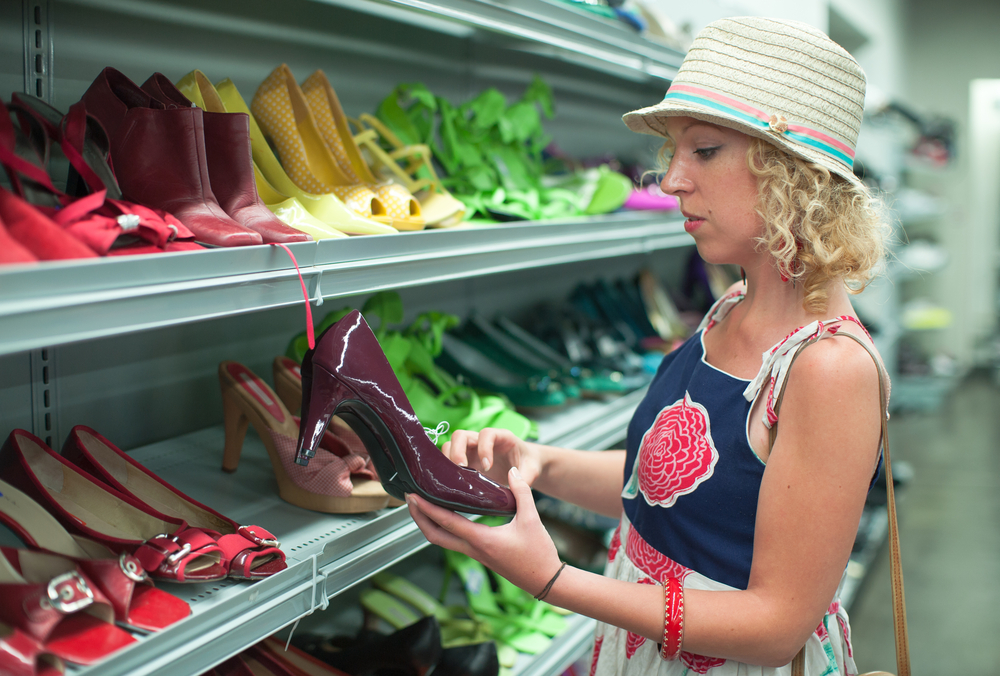
Woman shopping at a thrift store
8 Things You Should Be Buying at Thrift Stores

You know those bumper stickers that read, “I break for yard sales”? Well, mine says, “I break for thrift stores.” And I do. Over the past three decades, I’ve thrift-shopped my way across the Midwest, Northeast, and from L.A. to Seattle.

Thankfully, I’m too picky to be a hoarder. I buy only what I need or what I know I can sell for a profit online. And though every secondhand store is unique, there’s a standard set of items I’m always on the lookout for.

Here are some things you, too, should always buy at thrift stores.

  1. Jeans

Hands-down, jeans are the best bargain in any thrift shop in Panama City Beach, FL.

Where I live, high-quality used jeans sell for $7.99-$12.99 a pair. And though that may seem high for “pre-loved” denim, consider this: According to Statista, a consumer market research company, the average retail price of women’s jeans was $165 in 2018.

Think all thrift store jeans are junk? Think again. There are loads of high-quality clothes in thrift stores if you know what to look for — which I outline in “11 Secrets to Finding Quality Clothing at Thrift Shops.”

  1. Tools

Tools are go-items at thrift stores and something I always buy at estate sales. I’m not talking about circular saws and welding torches here, just basic tools everyone should have.

Since much of what gets donated is older, it’s easy to find used tools that are well-made and proven by years of dedicated service.

Look for genuine made-in-America stuff, like your parents or grandparents had. And don’t let a little surface rust discourage you. With just the slightest TLC, most old tools can go for another generation or two.

  1. Totes, trays and baskets

Sure, Amazon sells countless products to organize your home. But, again: Why pay retail?

Canvas totes are always on my shopping list. They’re handy for stowing items in the trunk of my car, packing for an overnight trip, and shopping at garage sales and flea markets.

Trays and baskets are my other go-to storage items. Trays are perfect for displaying cologne, organizing TV remotes or storing craft supplies. Use baskets to store pet supplies, winter gear and bath towels.

  1. Holiday decorations

Psst: When you pay less for holiday decorations, you’ll have more money to spend on gifts.

Over the years, I’ve built a handsome collection of handmade Christmas tree ornaments — all purchased at thrift shops for about 50 cents apiece.

And, like clockwork every year, I find a box of brand-new holiday greeting cards for a dollar or two. (Sorry, retailers, but spending $6 to $12 a box just doesn’t work for me.)

But why stop there? Thrift stores sell artificial trees, tree skirts, wreaths and wrapping paper. Best of all, when you buy from charity-related shops, you’re directing your dollars toward worthy causes. And that’s a good idea every season of the year.

  1. Art and craft supplies

Thrift stores offer limitless options for artists and crafters.

Besides old canvases that can be painted over, I look for vintage photographs, wallpaper samples, fabric, yarn, pottery and silverware.

With a little inspiration, nearly everything in a thrift shop can be reimagined and repurposed. And since the raw materials are so inexpensive, you can let your creative spirit run wild.

  1. Dishware

I’ll say it loud and proud: “I buy all my dishes at thrift stores.” Sure, nothing matches in the strictest sense, but that’s part of the fun.

Creative designers make an art form of setting tables with highly curated “mismatched” sets of dinnerware. You can copy this great look for pennies at a thrift store. Here’s how:

I choose a main color family (classic whites and creams) and an accent color (navy blue).
Next, I let my creativity take over, buying interesting pieces that fit within my chosen palette.

Every plate, bowl, cup and saucer is different, yet it all works together.
When a cup breaks, I pick up a used, unique replacement. Stress level? Zero. Cost? Practically zero.

  1. Perfume

Though I’m not a big fan of perfume, many of my friends and family are. It’s a treat to find a bottle of Burberry or Dior mixed in with thrift stores’ standard fare of Avon and Charlie.

And it happens more often than you might think. Most major department stores donate their perfume testers. Look for the telltale missing cap.

The best part? Many thrift shops aren’t familiar with high-end fragrance brands. Some bottles sell for $3 or $4 apiece.

  1. One-of-a-kind items

I’m always on the lookout for the weird and wonderful.

Kids’ pinch pots with wild glazes, threadbare silk rugs, a stack of black and white snapshots — these one-of-a-kind items make our homes unique. And they can all be found in thrift stores.

A few years ago, I stumbled upon a hand-painted image of a sleeping dog. It’s primitive but done with such care that I couldn’t pass it up. Today, that $4 find is one of my most treasured possessions.

Categories
Thrift Stores thrifting

WHY THRIFTING MATTERS: 5 REASONS TO BUY SECONDHAND

WHY THRIFTING MATTERS: 5 REASONS TO BUY SECONDHAND

I’ve been around thrifting all my life. Growing up, my mom never passed up a sweet deal from the secondhand store. She taught me to thrift shamelessly, and be proud of what I’ve been able to snag.

Now that I’m older, I’ve become very diligent in making sure that the majority of clothing and household items are obtained secondhand. Whether it’s from a thrift store in Panama City Beach, FL, online marketplace, family member, yard sale, or picked up off the side of the road, it’s safe to say that the vast majority of stuff is pre-loved.

But one of the most important things I’ve learned about thrifting is that it’s so much more than just saving money. There are several reasons why buying secondhand is the way to go, from the impact it has on the environment to the impact it has on your local community.

WHY THRIFTING MATTERS: 5 REASONS TO BUY SECONDHAND

ENVIRONMENTAL IMPACT

1. LESS CLOTHING IN LANDFILLS

The U.S. alone throws out roughly 10 million tons of clothing each year, which can sit in landfills for up to 200 years. Donating used items drastically reduces waste, while buying secondhand helps to reduce demand.

2. LESS WATER CONSUMPTION

It takes approximately 2,700 gallons of water to produce a single cotton shirt, which is enough for one person to drink in 2 1/2 years.  Cotton production places stress on surrounding ecosystems and requires the use of harmful pesticides.

PERSONAL IMPACT

3. CREATIVE EXPRESSION

Thrifting gives the opportunity to find some pretty fun and funky stuff. And because it’s less of a price commitment, there’s more wiggle room to pick and choose what trends and looks you want to try out.

4. ALL THE NOSTALGIA

If modern fashion isn’t really your thing, or you’re just looking to take a trip down Memory Lane, buying secondhand allows you to explore products from various different decades

5. THE HUNT FOR “BURIED TREASURE”

When thrifting, you never know what you’re gonna come across. There could be something super valuable tucked deep within a shelf or jammed between clothing racks just waiting to be discovered.

Categories
thrift shop Thrift Stores

Why Wearing Secondhand Clothing Is One of the Best Eco-Friendly Actions You Can Take

16 of the Best Online 2nd-Hand Clothing Stores (Save Big) - ThreadCurve
Why Wearing Secondhand Clothing Is One of the Best Eco-Friendly Actions You Can Take

The world’s landfills are already overflowing, but we still have to buy items—from clothing and decor to furniture and home improvement items. Thrifting is one of the best ways to lighten your impact as a consumer.

Every purchase you make supports ideals, practices, and companies. By thrifting, you make a vote for sustainability, fair working conditions, good prices, and great style.

For the Planet

While your clothing choices may seem innocuous and simple, what you choose to wear affects more than how you look in the mirror.

The fashion industry produces 10 percent of all humanity’s carbon emissions, is the second-largest consumer of the world’s water supply, and pollutes the oceans with microplastics.

The clothing supply chain, much like other consumer goods, can be a vicious cycle of excess production and mismanaged waste.

That’s why shopping ethically is so important. While there are some amazing brands that care about the environment and their workers, it can be hard to navigate fashion standards and expensive to shop new. According to Fast Company, “In 2018, 40 percent of consumers couldn’t name a socially responsible company.

29 percent admitted doing no homework to determine which companies were socially responsible. Those who did research were most likely to rely on product packaging to evaluate whether a company was doing good work.”

Insert thrifting. Buying secondhand is by far the most sustainable choice you can make. When you purchase items that already exist, less finite resources are needed. Thrifting also delays existing clothes and other products from ending up in the landfill.

For the People

Working conditions of fast fashion companies are often dismal, such as cases of sexual harassment and poor safety measures. Research from Remake estimates that 80 percent of garment workers around the world are women between the ages of 18 and 24 (many even younger), often earning less than $3 per day. These women find themselves simultaneously locked into poverty and dependent on the little wages they do earn.

Beyond the production process, treating raw materials can be hazardous not only for the end consumer, but especially for the worker. Pesticides, such as for high-volume, high-risk crops like cotton, can easily seep into our skin (which happens to be our largest organ). Leather goods have a history of being particularly hazardous, with the tanning process putting workers at a much greater risk of cancer.

On the other hand, thrift stores are often local small businesses, which boost economies and support communities. Fair wage enforcement is much easier because of local government oversight. Plus, the health risks of secondhand clothing and other items is much lower—even for synthetic fabrics and non-organic natural fibers—because the item has often been aired out and pre-washed.

Many thrift shops in Panama City Beach, FL even have a social good component. They hires and trains workers who face barriers to employment. Proceeds from Salvation Army Family Stores support centers for people struggling with drugs and alcohol addiction. This nonprofit revenue has a real impact on people living near these stores.

For the Savings

Zero-waste advocate Bea Johnson makes a good point about our current consumer culture: “Disposability is a modern concept, something that was invented by the manufacturers and their powerful marketers out of financial greed. They promise us time savings in our life, so we can be more productive, but don’t the products that they sell rather hinder efficiency? They need to be bought, discarded. What a waste of time and money!”

Clothes and home goods can be pricey, especially when you shop with transparent brands with air-tight supply chains. Make your wardrobe budget stretch farther by shopping secondhand. Every brand, size, style, and color under the sun can be thrifted. Shopping vintage or visiting a curated thrift shop may make a dent in your wallet, but the average thrift trip has cute finds at a fraction of the price.

For the Style

It can be intimidating to dig into the world of thrifting. Bloggers make it look so easy to pull off that thrift-store-ironic-chic style, meanwhile you either look like your 8-year-old self or a grandma. The good news is, it gets better with practice. The more you thrift, the easier it is to scan the racks and check all the best corners of the store or app. You can find some truly unique pieces when you shop secondhand, but you can also snag trendy items at a discounted price if that’s your vibe.

Categories
thrift shop Thrift Stores thrifting

These 7 benefits are making everyone go for second hand fashion

Thrifting For Clothes Like a Pro: The Ultimate Guide

We see it, we like it, we want it. In our world where the ‘new’ and trendy are a thing, buying second hand fashion has received a little bit of hype.

Due to the growing popularity of sustainable fashion, buying second hand from thrift shop in Panama City Beach, FL has become increasingly mainstream. Aside from being trendy and looking ‘cool’, there are several benefits to buying second hand fashion.

Here they are:

1. Wallet speaks first

This is probably the most obvious advantage of buying fashion second hand. You can find your favorite brands and designer items second hand at a lower price.

This is simply because they have previously been worn by someone else and/or are no longer used by the previous owner. The wallet then speaks: you can access the latest trends or go back in time without risking to bump into fast fashion.

2. Reduced textile waste

Besides being one of the most polluting industries globally, the fashion industry is also one of the most wasteful; where 85% of textile waste ends up in landfills (according to World Wear Projects).

Moreover, estimates by the Ellen McArthur Foundation suggest that just less than 1% of used clothing is recycled into new garments.

3. Reduced greenhouse gas emissions

The fashion industry contributes to 10% of the world’s carbon emissions each year (according to statistics published by the UNEP and the Ellen MacArthur Foundation). 

For example, buying just one brand new white cotton shirt can generate the same amount of emissions as driving a car for 35 miles, according to Oxfam. By purchasing second hand instead of purchasing brand new clothing, you can help to minimise the growth of carbon emissions!

4. Saved water

The production process for our clothes requires a lot of water. By a lot we mean it takes 2,700 litres to make a cotton t-shirt (assessment by World Wildlife Fund) and 10,000 litres of water to make a single pair of jeans! (Statistics by the United Nations). Yes, that is A LOT of water and these are just a couple of examples.

If more of us recycle and reuse second hand clothing, the water used for the production of clothing can be repurposed. For example, it can be used to provide more drinking water instead of ending up as industrial waste!

5. Where did you find that again?

We have to admit, it can be a little awkward when you come across somebody wearing the EXACT same clothing item as you. Buying second hand can prevent this problem! Because it is from a previous season or a different decade, chances are that you will not find someone wearing the exact same item that you have found second hand.

From rare pieces by your favorite brands to sought-after vintage gems, you will surely find a unique piece that complements your personal style!

6. Old trends are new trends

We all know that fashion trends come and go. Fashion that was once considered to be out-of-date is suddenly trendy again. Old school fashion trends such as wide-leg jeans or those oversized shoulder pad blazers that were very popular in the 80s (for example) have suddenly made a comeback today. Chances are, you can find trendy items second hand!

7. Better quality

As time has gone by, the perceived consumer value for clothing has declined over the last 15 years. The quality of fashion has gone downhill or is not the same as it was previously.

The popularity of low-cost fast fashion in the late 90s and early 2000s is partially responsible for this. Fast fashion retailers began to replicate design elements from designer brands and produced them cheaply and fast.

Therefore, it is possible that sometimes, older or vintage items can hold better quality. Second hand fashion is often sold in good enough condition for continued wear, which already proves that it has stood the test of time.

Categories
Secondhand Clothes Thrift Stores

10 Reasons to Thrift Shop Today

Just How Environmentally Friendly Is Thrifting? | Discover Magazine
10 Reasons to Thrift Shop Today

What is thrift shopping?

Thrift shopping, or “thrifting” for short, is buying items from charity or thrift shops. Sellers are often non-profit charitable organizations that sell goods at low prices. Goods are typically donated second-hand items and occasionally new items too.

Thrift store in Panama City Beach, FL are different from consignment shops, curated second-hand stores, and vintage stores, but they all typically sell second-hand items and sometimes new items at discounted prices as opposed to what you would find at traditional retail stores.

Why thrift shop?

1 | Save money

One of the biggest benefits of thrifting is that you save money. A new shirt that costs $50 at the department store can cost $10 at a thrift store. That’s a savings of $40 right there.

You might not find the latest brands and styles new with tags on every shopping trip, but it’s normal to come by popular brands regularly. You could walk out of a thrift store with a bag full of clothes for the cost of that one new $50 shirt from a retail store.

If you have children, you know that they outgrow or wear out their clothes quickly. You can restock their wardrobes with new and gently used clothing for less than you would if you shopped at retail stores.

2 | Shop without (or less) guilt!

Many people love to shop and keep doing it despite knowing that it’s not in their best interest. Guilty!

I used to spend a lot of my free time shopping and browsing shops. I’d spend my work lunch hours and weekend afternoons at my favorite stores because it was a fun way to relax. I’d buy clothes that I didn’t always need and then feel bad when I didn’t wear them afterward.

When you shop at thrift stores, you likely spend less money than you would at a retail store. It’s easier to swallow paying $30 for three tops than it is $100 for those same three items.

Thirty dollars may be in your budget while $100 may not be. So you can feel less guilty or even feel comfortable with shopping when it’s at a thrift store.

Plus, you can accidentally ruin clothes without feeling guilty about it. When I spilled pen ink on my white cardigan after wearing it only a handful of times, I breathed a sigh of relief that I only paid $5 for it. I didn’t cry when I lost my Lululemon jacket either because it was less than $10 from a thrift store.

3 | Get unique clothes and costumes

Thrift stores are the go-to place for Halloween costumes and ugly Christmas sweaters. You can get vintage and specialty clothing for a lot less than at premium vintage stores or brand new.

This past Halloween, I came across two unique costumes that I ended up selling. The first was a new Steindl Trachten traditional German dress from Germany for $15. It was missing a few pieces but still sold for $50. The other was a new handmade Damsel in The Dress corset for $13.

4 | Conserve the environment

Another major reason to thrift shop is to support environmental conservation.

Mass clothes manufacturing is demanding on the environment. Material such as cotton must be grown and prepared for use. Manufacturing of synthetic materials requires oil and results in textile waste. Human labor is also required to sew fabric into wearable clothes.

Clothes are often made in countries such as China and Bangladesh and then shipped around the world to sell in countries like the US. This places even more demand on the environment and human labor.

When you reuse and recycle clothing, you reduce demand for new clothing production as well as demand for environmental resources.

5 | Support local jobs and organizations

Your dollars support the people and organizations in your community. Goodwill in my area stresses that the money from sales goes toward employee job training. When the employees move on from Goodwill, they are likely to remain employed in the area using their skills.

You can feel good knowing that your shopping benefits local communities, organizations, and people rather than faceless national or international retail stores.

6 | For fun and entertainment

Thrift shopping provides hours of entertainment. Many thrift shoppers love the thrill of the hunt and scoring a great find. It’s a scavenger hunt for grown-ups.

You’ll be amused by the unique items and random oddities you’ll come across too. My favorite finds are cat-themed items. I take pictures of all the cat items I come across like these.

7 | Find a treasure

While you may be pushing your luck expecting to find an undiscovered Van Gogh or Monet painting for a few dollars, you can regularly find hidden gems or personal treasures.

8 | Furnish your house

Let’s face it, furnishing a new house or apartment gets expensive. Many thrift shops have a furniture and houseware section where you get essentials for a fraction of retail price.

I’ve seen more utensils, plates, mugs, and kitchen items than I can count at thrift stores. One thrift store I used to visit sold used table sets and living room furniture. I donated my working TV there a few years ago after getting a new one.

9 | DIY projects

I admire people who can take a piece of old furniture and restore it into a unique and modern piece. Where do people get tables, cabinets, and chairs to restore?

It’s not only furniture that you can make into DIY projects. These are other items that can be upcycled and repurposed:

  • Wicker baskets
  • Containers
  • Miniature trays
  • Chalkboards and bulletin boards
  • Plates and bowls
  • Picture frames
  • Lamps
  • Benches

Baskets and containers can be used for storage, side table décor, planters, and centerpieces. Large and small trays can hold pens, jewelry, and other loose items. They can be turned into decorative signs too. The ideas for these items are endless!

10 | Make money

My favorite reason to thrift shop is to make money. Turn your thrift shopping fun into a profitable business.

You can do this by looking for items that are worth more than their sale price and reselling them at a higher price. It may take some research and trial and error to know what sells well, but once you start making sales, you’re in business!

Many people like me do this as a side hustle. Reselling can be lucrative though. It’s common for serious full-time sellers to make five and six figures a year.

If you’re looking for a side hustle and like thrift shopping, this one might be for you!

Categories
Secondhand Clothes Thrift Stores

Tips For Thrift Shopping From An Expert

I'm gonna pop some tags: why thrifting is the new trend for students - The  Utah Statesman
Tips For Thrift Shopping From An Expert

Time and again, one of the most frequent questions I receive on Instagram is where I go thrift shopping. But here’s the thing, the whole idea of what constitutes a good thrift store is completely arbitrary.

Why? Because it all comes down to what you’re looking for. A good thrift shop in Destin, FL for furniture may be different than one for clothing, and what I deem “good” may be completely different than what the person asking considers good thrifting. So, it’s far more effective to focus on technique.

If you fine-tune your thrifting skills, you’ll be far more likely to find that thrift store unicorn than simply trying to find the “good” thrift stores. After all, their supply is completely dependent on what people donate – the selection changes constantly.

Just follow my tips for successful secondhand shopping:

When:

When is the best time to go thrift shopping? I mean, you could go to the thrift store on a Saturday, but you’ll be competing with everyone and their mother for the good stuff. To me, the ideal days of the week to go to a thrift store are Tuesday, Wednesday, or Thursday.

If you think about it, people are usually spending their weekends cleaning out their attics, basements, closets, and garages and dropping off their donations on Saturdays or Sundays.

So, midweek you’re not only competing with fewer people, but the selection is usually better. Obviously, if you work a regular 9 to 5 job, it can be difficult – or near impossible- to make it to a store mid-week, so if that’s the case, try to shop early in the mornings on Saturday or Sunday.

Where:

Where are the best thrift stores? Don’t get me wrong, I’ve found some vintage gold in city thrift stores, but if you live in the city, chances are you’ve visited many a picked-over Goodwill or Salvation Army within city limits.

While these thrift stores aren’t completely without reward – they’re great if you don’t have a lot of free time to devote to thrifting – you’re competing with a lot of people to find the gold, including college students and high school kids looking for that perfect 90’s Night or Halloween costume.

And don’t forget to check out the smaller thrift stores within city limits, too. Goodwill and Salvos aren’t the only options out there.

Size (Sometimes) Doesn’t Matter – but shop mindfully:

I always look everywhere in the thrift store. Because women’s (and men’s) sizing has changed so drastically over the years, sticking to your exact sizing section alone is pretty pointless. Everything fits differently, so it’s worth skimming through the racks to see what you can find. Look beyond your size and you might find some hidden gems.

While you’re at it, look everywhere else too: The men’s section is great for vintage Levi’s and Dickies, flannels, button-ups, menswear coats and grandpa sweaters. Check out the children’s section for shrunken jackets, denim vests, school uniform separates (think solid sweaters and pleated skirts), and misplaced ‘90s minis, and check out housewares for vintage planters and vases.

I say shop mindfully because it’s important to remember that, if you’re on the smaller end of the spectrum, you innately have thin privilege. Because of the size I wear, I could shop a variety of sizes and either alter a piece to make it work or wear something loose. Our larger-sized thrifting pals often don’t have that privilege, so if you’re shopping, leave the plus-sized items for the plus-sized community.

Learn to Recognize Quality:

This is my favorite part of thrift shopping! Thrift shopping is a great way to add higher-end fabrics to your closet that you may not be able to justify purchasing new. Keep an eye out for silk, cashmere, linen, and good-quality leather.

Example? A vintage/second-hand sweater from Saks is typically going to have better quality dyes and fibers than the same style from Target from last year, compare and contrast, and eventually, you’ll be able to discern a quality piece without even picking it up off the rack.

While I’m not totally opposed to purchasing big box or fast fashion brands from a thrift store, I usually skip over them because the garment almost always looks tired and worn out (a reminder to limit those purchases in the first place).

But that’s just me, and as always there are exceptions. Case in point: I recently bought a like-new Zara blazer for $1. Hard to go wrong there and it goes with almost everything.

If there’s a specific brand you like, learn to recognize the markings of that brand. I used to thrift a lot of vintage Coach and Dooney & Bourke bags, and I know to look for a specific type of strap and style of clasp when scanning the purses section before checking for signs of authenticity. Honing a keen eye makes it easier to pick out any gems that may be hiding within the chaos.

Steer Clear of “The Challenge” – unless you’re really, really serious…

So, I used to have a big problem. I used to buy ridiculous things at the thrift store. I would find something that could be totally awesome (!!!)… if only the hem was shorter, the bust was taken in, the sleeves were cut off, and the collar replaced. All that left me with was one giant basket of “to be altered” clothing – that I never actually altered and eventually re-donated or gave away.

I fully support altering clothing, and I would love to think that I had the extra time or patience to actually alter all those things. But most of the time I don’t. Be honest with yourself when you’re thrifting, and if you know you’re never going to do the alterations, leave the item for someone else to enjoy.

Categories
Secondhand Clothes Thrift Stores thrifting

How to Thrift Shop: 11 Essential Thrifting Tips

Thrift Shopping Is A Political Choice. Here's Why. - Eco-Age
How to Thrift Shop: 11 Essential Thrifting Tips

Thrift store shopping takes patience and self-control, but you can find some of the best items at consignment shops.

There’s a strategy to becoming an efficient thrifter, and if you do it often enough, you can end up with great finds at much lower prices than you would at a standard retail store.

11 Thrifting Tips

If you love thrifting new clothes and are looking for shopping tips to help you find your next great buy, check out the following list:

  • Sell before you buy. Selling a few items that you are no longer using can help you save money for your thrifting and create storage space for your upcoming purchases. You can sell your items online or at a consignment shop before you load up on thrift store finds.
  • Find out the store’s specialty beforehand. You can make the thrift shopping experience much easier if you know what the store carries. Some thrift shops specialize in clothing or toys, while others will have a wide array of furniture or home décor. Before heading out, find out which store stocks more of the specific items you’re looking for, and search there first.
  • Dress appropriately. Many thrift stores don’t have fitting rooms, so you might need to wear something you can easily slip secondhand clothing over to try on. Secondhand stores usually don’t offer refunds, so you want to make sure your clothing fits before you buy it.
  • Give yourself a clear goal. Thrift shopping should be about finding things you need, not meandering around looking to collect items. Take note of the things you already own, then make a mental list of the things you’re looking for. If you need to, take pictures with your smartphone to help you remember what you have and what you want.
  • Get your items tailored. One of the few disadvantages of thrifting is that you may find the perfect piece, but it may not fit properly. This can be an easy fix: If it’s a quality find, take it to a tailor. Or, if you’re confident in your sewing and hemming abilities, you can attempt a DIY tailoring job to make your item fit just right.
  • Know when the stores restock. Most stores are busiest on the weekend, and many quality goods may be gone by then. Pay attention to when your local thrift stores restock new items and try not to wait too long to check them out.
  • Avoid impulse buys. Thrift stores may have low prices, but it can start to add up if you buy enough items. Set a budget and leave your cards at home. Taking a cash-only approach will help you stick to your list of needs and help you avoid overspending.
  • Learn how to discern quality. Consignment stores can offer designer brands, vintage items, or other high-end quality pieces with low price tags that you can find if you know what to look for. Natural materials will often be of higher quality than synthetic ones.
  • Shoes made of 100 percent leather usually have the words “Vero Cuoio” marked on the bottom, which is the Italian phrase for “true leather.” Blazers with linings and wool-blend coats will also be more expensive items than other materials. Get familiar with high-quality tells to discern which items will be worth the money.
  • Scan the aisles. It’s easy to get caught up searching for great, inexpensive buys at the thrift store in Destin, FL, but part of your strategy should be to search quickly through the aisles to avoid spending too much time in any one store. Train your eyes to scan along hangers or shelves to spot particular color palettes or other items of interest quickly and efficiently.
  • Haggle. You can sometimes negotiate the price of items that are broken or damaged. If you find an item worth salvaging, try haggling the price down with the sales clerk to make it even more affordable.
  • Shop off-season. Like with retail stores, the best time to buy seasonal clothing is when the demand is low. Shop for jackets and boots in the summer, and look for sundresses and sandals in the winter.
Categories
Secondhand Clothes Thrift Stores

9 Thrift Store Tips and Tricks

Goodwill, the Original Thrift Store, Goes Digital | News & Analysis, News  Bites | BoF
9 Thrift Store Tips and Tricks

If you’re looking to restock your home or revamp your closet on a budget, thrift stores are a great alternative to traditional retail. Despite dingy lighting and overwhelming piles of product, thrift shops in Destin, FL are treasure troves for those who know how and where to look. Follow these tips to score some exciting finds on your next thrift store trip.

Visit often. Thrift stores don’t put in regular orders or carry standard merchandise. What’s available depends on what has been brought in most recently. Find out the days and times your thrift store restocks its shelves to get first dibs on all the latest items.

Check the back racks. Unlike a traditional retail environment, thrift stores don’t typically carry multiples of an item. Some of the best pieces may be on the racks at the back of the store near the dressing rooms.

These items have already been searched out and deemed valuable enough to try on. Just because they weren’t a good fit for the person who originally found them doesn’t mean they won’t work for you.

Dress appropriately. Not all thrift stores have dressing rooms so be sure to wear tight fitting clothing so you can try on pieces over what you’re already wearing.

Check clothes carefully. Check clothes for stains, loose threading, missing buttons and other potential problems. Be sure to turn items inside out, too, for a full assessment. If you’re considering an electronic purchase, plug it in to be sure it works.

Even books should be scanned for missing or damaged pages. Any and all damage should be noted before making a purchase. Can you fix it? Will it be worth the cost?

Ask for a discount. This might be more difficult at some of the larger thrift stores, but remember, all thrift shops need to get rid of items to clear the way for new inventory so it’s in their best interest to sell.

If there is a defect, don’t be afraid to point it out and ask for a lower price. If they can’t change the price of that item, maybe they can throw in another small item for free.

Cash in on deals and specials. Many thrift stores offer discounts to certain groups, including seniors and students.

They might also have special days or hours where items go on sale. Some stores may offer a discount for paying with cash. To stay up to date on the latest thrift store deals and promos, follow your favorite locations on social media.

Shop seasonally. Just like in traditional retail, the best prices typically come at the end of a season.

If you want to pick up some cheap Christmas décor or patio furniture, go thrifting right after peak time when everyone clears out their closets. This is also true of clothing, which means you should shop for boots and jackets in April and beachy sundresses in September.

Consider the neighborhood. Thrift store inventory comes from the surrounding neighborhood, so shop in places where you admire the style.

Categories
Secondhand Clothes thrift shop

Rise of Thrifting: Solution to Fast Fashion or Stealing from the Poor?

Oxfam's Second-hand September: The affect on fast fashion retailers & its  viability - Retail Gazette
Rise of Thrifting: Solution to Fast Fashion or Stealing from the Poor?

Prior to the industrialization of the fashion industry, the lower classes relied on homespun fabrics which were made through hand warping, a time-consuming process.

These items were mended, reused, resized, and remade into new pieces until they were beyond wear—and even then, those scraps were used to stuff furniture.

Even for the rich, consumption of fashion was quite limited. Any reader of Edith Wharton can tell you that the affluent and elegant ladies of the West in the late 19th century made, at most, an annual trip to the world’s fashion capital in Paris to buy the following year’s wardrobe, and that quality was always valued over quantity.

However, with the development of new technologies such as the spinning jenny, the sewing machine, and a system of standard sizing, it became possible for ready-made clothing to be manufactured en masse at low costs and sold at cheap prices.

Naturally, as prices—at least outside of haute couture—dropped, consumption patterns also evolved. Lower prices meant that clothes were now considered more disposable, even for those in lower income brackets.

Mainstream clothes manufacturers responded in turn to this change in mentality by churning out more and more “seasons” or sets of styles—from 11 to 52 seasons a year by 2014—resulting in the highly consumerist “fast fashion” industry of today, where keeping up with the latest trends is the order of the day.

With such fleeting fads dictating purchasing habits, gone were the days of buying pieces that could last half a lifetime.

The 19th century industrial revolution, along with making manufacturing and consumption cheaper, created highly populated urban centers that produced large amounts of waste in a limited space.

Consequently, central waste management systems were implemented by governments to deal with increasingly consumerist lifestyles and to improve sanitation and health.

As waste disposal systems developed in the United States under the likes of pioneers such as Waring in the late 1800s, second-hand clothing stores and pawnshops began to appear in response to textile wastes.

Despite hygiene concerns and racial stigmas which discouraged buying second-hand, these resale stores were well established by the 1920s and continued to grow with immigrant populations, whose main business involved peddling, after tailoring (p. 29, Le Zotte).

This was in part thanks to the efforts of charity stores run by Christian organisations such as the Salvation Army, which helped further destigmatize the practice of buying second-hand. Since then, “thrift stores,” as they have come to be known, have had a stable role in American society.

But in the past decade, thrifting has taken on a completely new life, especially among individuals of Generation Z, born between 1995 and 2010.

The reasons behind the rise of thrifting are numerous. For one, the fast fashion industry has faced persistent scrutiny in the past decade following numerous controversies regarding the unethical treatment of its workers and unsafe working conditions in garment factories, most notably after the 2013 collapse of Rana Plaza in Dhaka, Bangladesh.

These revelations have encouraged discourse amongst the global consumer base about the ethics of fast fashion consumption, discouraging the practice in favor of circular fashion, and have resulted in greater transparency regarding garment supply chains from brands, such as H&M and Gap.

Secondly, Gen Z and Gen Y are, reportedly, more concerned about climate change compared to older generations. According to McKinsey’s “The State of Fashion 2019” report, “Nine in ten Generation Z consumers believe companies have a responsibility to address environmental and social issues.”

Across all industries, companies have not been blind to the impact of these environmental interests on consumer choices. In the fashion industry, many of the hottest brands on the market (in terms of editorial recognition and celebrity endorsements), such as Reformation and Everlane, are ones that strive to treat their workers ethically, to minimize the consumption of resources such as water, and to reduce their environmental impact by using recycled fabrics and less toxic production methods.

However, these sustainable and ethical brands are often much pricier than their fast-fashion counterparts. Thrift stores, therefore, service the environmentally and ethically conscious consumers of today who do not have the resources to buy from such brands.

Lastly, the internet has played a critical role in the rise of thrifting. The pressure to stay trendy is inevitable in a market where mainstream brands like Zara and H&M ship out new styles to stores biweekly, weekly, or even daily.

Social media giants like Instagram and Youtube have no doubt reinforced these societal pressures, resulting in consumption habits that have been both unhealthy for both our bank accounts and the Earth.

However, popular social media accounts like bestdressed, which showcase thrift-shopping finds and DIYs, have conversely increased the popularity of buying second-hand in order to maintain a trendy image on a tight budget.

In addition, online second-hand resale platforms like ThredUP and mobile resale apps like Depop, have supported the shift towards thrifting. The McKinsey report on Generation Z identified its tendency to view consumption as “an expression of individual identity” and its appreciation of uniqueness.

Thrift stores, with their one-of-a-kind donated pieces, therefore cater to these desires in a way that mainstream brands cannot.

All this seems like cause for celebration or, at the very least, lends some support to any self-perceived moral superiority held by Gen Z. However, what does all this mean for low-income consumers for whom the concept of thrifting was created in the first place?

The rising popularity of thrifting among more wealthy consumers as an alternative to buying from sustainable and ethical fashion brands reduces the already limited options available to low-income communities when it comes to clothing.

Thrifting no longer carries strong taboos of uncleanliness and poverty as it had in the past. So, in the name of eco-consciousness, many demographics that could afford to splurge on high-quality, low-impact purchases are deciding to thrift instead.

This means there are less quality items left on the thrift store shelves for those who truly have no other affordable options, say, for buying professional attire that could mean the difference between impressing or crashing at a job interview.

In addition, larger sizes are rare in thrift stores, just as they are in brand-name stores. Since the poor are disproportionately more obese than the rich, one has to be especially conscious of the effect of thrifting on such pieces.

For all their online hype, DIY-ing clothing projects popularised online by creators like coolirpa often rely on thrifting plus-size clothing and crafting them into more stylish pieces meant for thin bodies.

Such that, even if one does place these newly styled items back on the thrift market, they now serve a considerably smaller and more privileged demographic.

Furthermore, many individuals exploit their online popularity to make businesses out of reselling thrifted items at marked-up prices. Depop is notorious for this—some of its most popular users, who started out simply revamping their wardrobe on the cheap, now go thrifting exclusively to find items to resell for a profit on the app.

Unique and vintage items at affordable prices targeted towards underprivileged and marginalized communities then end up on an online marketplace that serves both consumers looking to dress respectably on a budget and those who are invested in finding a unique look for any price.

This is especially problematic when one considers that the privileged are at an advantage when engaging in such ‘entrepreneurial’ activities, which require the time-consuming practice of sifting through thrift stores and the time-flexibility of being able to visit these stores soon after they are restocked, which working individuals simply do not have.

Popular users on the platform, like Bella McFadden aka “Internet Girl” and Celia Hodgson, started off selling unwanted pieces at large markups. One popular seller explains that her sale of a pair of trousers bought at £10 and sold on Depop for £45 was what got her into the business.

The time and energy invested by such users into finding rare pieces and curating styles warrants a markup in prices, similar to sneaker resale markets where individuals like Josh Luber stand in queues for days to buy limited edition shoes and resell them for a profit.

However, the moral question of how high that profit should be allowed to go requires serious thought, considering that such activity excludes lower-income communities from products which they otherwise had access to.

And if that wasn’t enough, the rise of thrifting may be cause for spending practices to shift even more towards quantity over quality. Since the value we place on items is often a reflection of their price, getting cheap finds at thrift stores in Destin, FL may contribute to a culture of not maintaining and caring for the items that we buy, at least when it comes to higher-income consumer brackets.

Furthermore, combined with the idea that thrifting ‘saves the planet,’ the current popularity of thrifting could be a recipe for guilt-free and highly consumerist shopping habits under the guise of social awareness.

Categories
Secondhand Clothes Thrift Stores

Reduce, Reuse, Recycle, THRIFT!

23 best vintage and op shops in Melbourne • The Sweet Wanderlust
Reduce, Reuse, Recycle, THRIFT!

So what kinds of items are thrift stores looking for when it comes to donations?

It’s pretty easy, really: Here’s a quick list of donations thrift shop in Destin, FL accept:

CLOTHING

  • Men’s, Women’s, Children’s Clothing
  • Men’s, Women’s, Children’s Shoes
  • Nylons, Socks, Underwear
  • Accessories such as: Hats, Mittens, Scarves, Ties, Purses, Wallets, Fanny Packs, Bags

HOUSEHOLD ITEMS

  • Bed sheets, blankets, pillows, curtains, tablecloths, and similar items
  • Bath towels, hand towels, wash clothes, bath rugs
  • Sports equipment, exercise equipment, bicycles
  • Kitchen Ware such as pots, pans, utensils, china, vases, dishes, cutlery, glassware, silverware
  • Small electrical appliances such as power tools, irons, blenders, mixers, stereos, CD players, speakers, DVD players & VCRs, lamps, fans, humidifiers
  • Miscellaneous Items such as jewelry, crafts, mugs, candles, pictures/frames, baskets, ornaments, hand tools

FURNITURE

  • Chairs, sofas, couches, loveseats, recliners, foot stools, storage dressers, armoire, bookcase, cabinets, entertainment centers, dining tables, kitchen tables, coffee tables, end tables, computer tables, night stands, patio sets

VEHICLES

  • Cars, trucks and RV’s (must be able to drive it to the store / do not call for home pick up)

ENTERTAINMENT

  • Hardback and paper books
  • Magazines
  • Records, tapes, CDs
  • Videos, DVDs, Blu-rays
  • Toys, games, and puzzles

Sadly, we do draw the line at some items. Here’s a list of donations thrift stores cannot accept:

  • Mattresses/box springs for sanitary reasons
  • Hazardous waste/materials
  • Pepper spray/mace
  • Used children’s car seats
  • Used major appliances
  • Mini-fridges
  • PC’s / Computers / Printers
  • Box TVs (tube, cabinet, console). We will only accept flat monitor style that can be easily mounted on a wall.
  • Construction remains (i.e. carpet scraps, boards with nails, etc.)
  • Items recalled by the CPSC
  • Liquids
  • Firearms, stun guns and firearms accessories

Design a site like this with WordPress.com
Get started